
Opinion Awaiting orders
Recruitment,corruption,spending: the new army chiefs full plate....
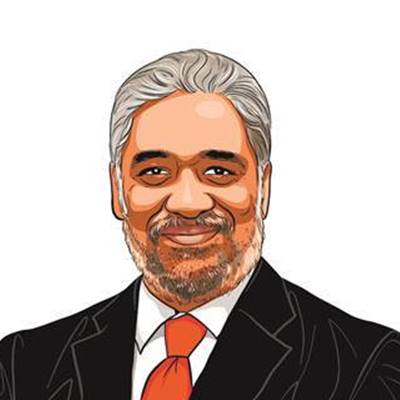

As he takes charge of the Indian army,General Vijay Kumar Singh will find any number of challenges that demand urgent attention. But the first and foremost task of the new army chief is not difficult to discern. It is to restore the image of the army that has taken a battering in recent years amidst the many serious charges of corruption.
As the GOC-in-C of Eastern Command,General V.K. Singh squarely confronted a major scandal the Sukna landscam case and prevailed on the establishment to do the right thing. As chief,he must now initiate steps that will significantly dampen if not eliminate the sources of corruption in the Indian army.

To be sure,no institution can be immune to the larger trend of declining ethical standards around it. Yet there is a strong case for ensuring that the armed forces,responsible for the defence of the country,are as insulated as possible from negative trends in the rest of the nation.
As the ultimate instrument of protection for the republic from threats abroad and at home,the Indian army enjoys a very special respect and legitimacy. Delhi cant afford to lose the peoples trust in the army. This in turn will require not only systemic reforms,that will take time to implement,but also immediate measures that can reinforce public confidence in the army and its leadership.
A second task for General Singh is to make the army an attractive career for young men and women. Unless it takes urgent and special steps,the armys officer shortage,now said to be running at more than 11,000,will only grow. The traditional regional and social catchment areas of the Indian army officer corps have long since begun to dry up. The army must thus find ways to reach out to new sources. One possible approach might be to take the Sainik schools to regions and communities that have had little exposure to career possibilities with the army. By providing the opportunity to,as well as imparting the capability to,compete for positions in the armed forces,a targeted expansion of the Sainik school system could at once help spread the roots of the Indian army as well as make it an attractive vehicle of social mobility for many marginal sections of society.
A third task for the army leadership is to develop more effective ways of intervening in policy debates within the government and improving its outreach to the public. The tendency for the chiefs to make impromptu pronouncements to reporters and TV crews has landed some of Singhs predecessors in political trouble.
Meanwhile,resentment within the army and the other armed services is mounting at the perennial short shrift they get from the civilian bureaucracy,where the capacity to manage the nations military appears to be eroding rapidly. The answer to this lies in the army improving its institutional capacity to frame policy issues,to engage other governmental agencies,and to better communicate with the public rather than the occasional public venting by the chief.
The biggest challenge,however,is the urgency of rapid modernisation. It wont be long before Singh finds himself as frustrated as his predecessors in the army and colleagues in the air force and the navy by the masterly inactivity that has now enveloped the defence ministry. So long as Prime Minister Manmohan Singh and Congress President Sonia Gandhi are willing to tolerate the current drift in the ministry of defence,which returns year after year money meant for weapon purchases and undermines the efforts to build a modern defence industrial base,it would seem there is little anyone can do.
But it behoves the new army chief,after he reviews the state of affairs on the needs of the army,to point to the dangers to national security from further delays in the modernisation of the armed forces. Civilian primacy over the military in our democracy does not mean that the chiefs of our armed forces have to be mute in the face of persistent neglect of national defence by incompetent bureaucrats and indifferent ministers.
If he can make the armys case calmly and in a sustained fashion,within the government and to the public,the new chief can make a huge difference to the national discourse on defence policy. And that surely is the least we should expect from the head of an institution that is among the oldest and the most professional the nation has had.
raja.mohan@expressindia.com
 Share
Share


