
Opinion An ode to Akram, spice seller, dietitian, life coach
He’s a nutritionist, dietitian, salesman, life coach and naturopath, all rolled into one.
 Not because variety is the spice of life, but because he knows that each shopper has some form of chronic disease, diabetes for sure, and is typically looking for alternative ways to manage them.

In a world of health food apps, that come with little pearls of wisdom on the latest superfood and give you a sense of FOMO, you surely have not met my spice seller Akram at the neighbourhood farmers’ market. He’s a nutritionist, dietitian, salesman, life coach and naturopath, all rolled into one. Not because variety is the spice of life, but because he knows that each shopper has some form of chronic disease, diabetes for sure, and is typically looking for alternative ways to manage them.
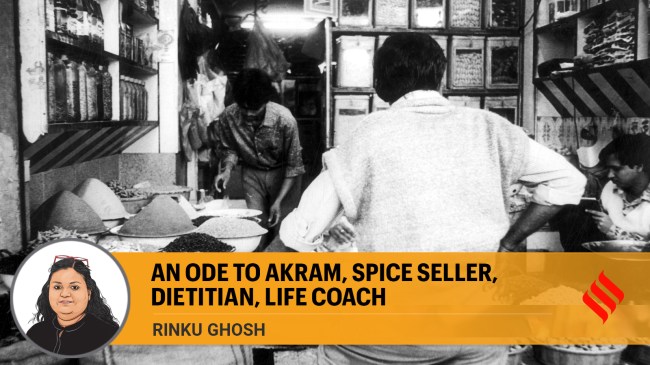
Sitting amid a pile of happy winter vegetables on either side, Akram lays out a treasure trove of spices, nuts and seeds, the aroma wafting up your nose as you shop for essentials. His seeds and nuts glisten like gems under the glow of the halogen light. But naturally, you would hover around the lovely spread. And knowing that most evening shoppers are women, rushing back home from work, he banks on their family health consciousness to pitch his wares. He even uses their English names because most customers, he says, are on “Inshta (Instagram) and Tik Tok”.

Usually, most women pick up spices since he hand-pounds them for “asli swad” and food value. “Which pouch should I make for you? 100 gm or 200 gm?” he asks, explaining why the packaged variety we are so used to ordering or picking up from shop shelves may actually be stale as they first sit in a warehouse for months.
Then he goes for feminine frailty first. “Why don’t you take sunflower seeds, for your skin? Or grape seeds for the hair,” he says. If you are hesitant, Akram suggests the convenience route. “Just 30 gm a day, sprinkle on your salads or cereal, munch as a snack at work, just tuck this into the side pocket of your laptop bag,” he reasons. Should you still sound unconvinced, he goes for the kicker of an argument. “These reduce khaali pet ka blood sugar,” he pushes, which is his way of describing fasting blood sugar.
He’s not too far off the mark here, as studies have indeed shown that compared to a healthy diet, high chlorogenic acid in sunflower seeds can indeed lower fasting blood sugar levels. In fact, other studies show that those who ate sunflower or other seeds at least five times a week had 32 per cent lower levels of C-reactive protein (which we all know from COVID as indicative of heart health) compared to people who didn’t. Akram knows that women are sensitive about discussing their weight issues in public, definitely not with a stranger. So he goes for high blood pressure. “Try pumpkin seeds, chia seeds, Ma’am. Good for your BP and tension. They also help you reduce your weight.”
If BP is not your thing, he conveniently switches over to other acceptable benefits, “Chia seeds are good for achchi neend.” Can’t dispute that one as they are indeed rich in the sleep hormone, melatonin. Then there’s the favourite constipation and pet (gut health) that make his flax seeds the hot-sellers. If you don’t like listening to that, Akram will harp on their anti-ageing benefits. But his pièce de résistance has got to be the mound of Himalayan pink salt. “More natural than table salt. Poison bahar karne ke liye, detoksh (detox),” he emphasises. I wonder if a spa therapist could have explained the detoxifying virtues of unprocessed salt better.
Akram clearly keeps himself well-informed in the digital age. But his art lies in understanding what women of all ages want and speaking to them in a language they want to hear. If you don’t like his dose of humour and borrowed knowledge, there’s always the home-made turmeric and chilli powder, with which he offers 50 gm of any seed free. “For a taste of life,” he grins.

 Share
Share


