Written by Advaita Kala
The soft power of Bollywood or the Hindi film industry is undeniable. It has survived and matured over the years, defining mass taste and acceptable norms of social behaviour. Neither has the industry shied away from holding a mirror to perceived power, establishing often used stereotypes like the corrupt police officer or neta or the tilak-adorning zealot. Sanjay Baru’s claim that there is a plan afoot to “Hindi-ise” the Hindi film industry is counter-intuitive. Bollywood has been the Hindi film industry from inception, if anything the challenge lies in not ascribing to it the status of “Indian film industry” which is done often enough, because the media and public are obsessed with its shining lights. There isn’t a finer actor in the country today than Malayalam cinema’s Mohanlal, but his iconic status is still limited.


Hollywood and the Korean film industry assisted — their consulates held film festivals at the only prominent movie hall across the street from where I lived. On one evening, a leading Korean movie star arrived amidst the flash of cameras and pounding music, stirring my neighbourhood awake. I watched from a window across the street, wondering why we didn’t do the same, even the Chinese were trying to peddle their movies, with not too many takers, I might add. Bollywood’s slackening grip on international pop culture is something that we do not comment on, often enough. This year a South Korean film won an Oscar for the best film, we didn’t even make it to the shortlist and haven’t in decades. Yes, the industry has thrived, the stars have become richer and are the most dominant social currency in the country apart from cricketers. But in terms of a national project of regeneration or being a part of our diplomatic arsenal, the Hindi film industry’s contribution has been diminishing as opposed to the days of Raj Kapoor or even Mithun Chakraborty. It can be argued that IPL has been the only soft power entity that has established Indian dominance in at least the cricketing world.
Baru’s fears that Bollywood was being targeted are unfounded, an ongoing investigation into illegalities cannot be construed as defamatory of the industry. It is like stating that the fall of liberal icon Harvey Weinstein (donator to every Democrat candidate’s campaign post-2000) during a Republican Presidency was political and an attack on Hollywood. The movie industry is just as accountable to the law of the land, as is the corporate world and the rest of civil society. Only the military has its own courts and investigations.
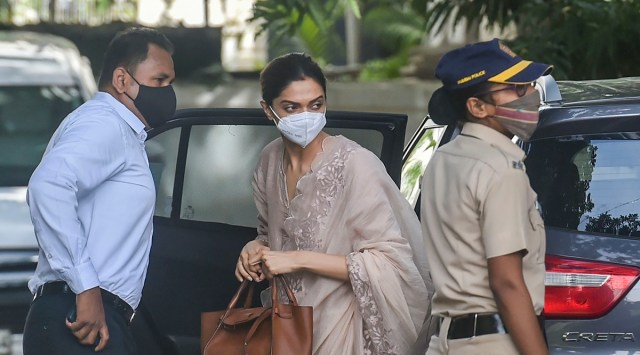
Yes, the investigations related to the film industry gain far more eyeballs than those linked to other businesses. But is that surprising? It is an industry where the establishment is made up of public figures, in the news 24/7, in good times and bad. Their weddings, pregnancies and child-rearing techniques are chronicled minute by minute, often with their cooperation. So why wouldn’t this latest infamy? It is a difficult time for the Hindi film industry but also a moment for regeneration and introspection. It has little to do with politics and the need to Hindu-ise or Hindi-ise or remove the lyricism of Urdu from the songs; it has to do with a course correction. The power vested in the film industry is not subject to political winds but to the love, support and trust of the public. It is time to make a new pact with the people.
The writer is screenwriter and author. She served as chair of the writing jury for the 63rd National Film Awards


