Journalism of Courage
 4 min read


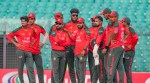
For many foreigners,events in Lahore,the capital of Punjab province,on March 3rd confirmed their view of Pakistan as a hotbed of terrorism. A dozen masked gunmen ambushed a convoy carrying Sri Lankas national cricket team,killing six policemen and two others,and wounding seven cricketers and a British coach. But for many Pakistani pundits,quick to appear on television,events fitted another familiar pattern: Pakistan as victim of Indian conspiracy.
In January Punjabs intelligence service had warned the police that Indias spies were planning to attack the Sri Lankan team. Now the pundits claimed the ambush was intended as retaliation for the attack on Mumbai in November in which more than 170 people were killed,to show that Pakistan was a security risk. As evidence,they pointed to the assailants escape: Pakistans Islamist terrorists,went the argument,make sure to kill themselves as well as their victims. To bolster their case,they cited Indias crowing over its decision not to send its own cricket team,for which Sri Lankas was standing in,and its leaders complaints,after the attack,about Pakistans intact terrorist infrastructure.
This far-fetched analysis,and the refusal to accept the reality of Pakistans terrorist problem,owes much to the religious-nationalist leanings of many young but influential television presenters. Their opinions were formed by the distorted education they received under General Zia ul-Haq,Pakistans dictator from 1977-88. So,despite many occasions when al-Qaeda has claimed attacks in Pakistan,many Pakistanis refuse to believe the group exists,let alone that it is dangerous for their country.
In fact,however,a former high-ranking Pakistani intelligence official has given The Economist a much more plausible explanation for the Lahore attack: that it was the handiwork of Lashkar-e-Jhangvi LeJ. This sectarian group,which also put New Zealands national cricketers to flight in 2002 after it exploded a bomb outside their hotel in Karachi,now works closely with an al-Qaeda/Taliban network in Pakistans tribal areas.
It has been blamed for several atrocities,including the bombing last September of the Marriott hotel in Islamabad,for which al-Qaeda this week also claimed responsibility,in a message to the Saudi embassy in the capital. According to the intelligence source,the security forces last year caught an LeJ terrorist,who is still in custody. He has confessed to being trained to carry out a suicide mission during a proposed international cricket tournament last year that in fact was shifted elsewhere.
In a society beset by Islamist violence,including some 60 suicide-bomb blasts in each of the past two years,this latest attack was less bloody than many,but nonetheless remarkable. Sri Lankas decision to send its revered cricketers to Pakistan,despite fears for their safety,was a brave act of South Asian solidarity from a country with terrorism troubles of its own. Its foreign minister this week visited Pakistan and offered condolences for the deaths of those killed protecting his compatriots.
That Pakistan has proved unable to provide effective security for the Sri Lankans,despite extraordinary efforts by Lahores police in the face of a manifest threat to their lives,is dispiriting. It seems reasonable to suppose that many of Pakistans dwindling foreign visitors,of all stripes,will now stay away from the country. At a time of economic duress,partly related to the countrys deepening insecurity,this will have repercussions far beyond cricket.
For many Pakistanis,however,the outcome for the countrys favourite game will be bad enough. It is almost unimaginable that other national sides will want to tour Pakistan in the near future. Pakistans ambition to be one of the hosts of the 2011 World Cup is surely in tatters. Though not quite the source of public hysteria that it is in India,cricket is one of Pakistans few unifying forces. Moreover,at a time of national shame over the many atrocities committed by Pakistan-reared militants at home and abroad,their cricketers performances were an export of which Pakistanis could be genuinely proud.
The Economist Newspaper Limited 2009