Journalism of Courage
 2 min read


And Chandigarh will be Lahore,through the gritty and beautiful camera of Kathryn Bigelow
Even movies,that entirely made-up art which unfolds in darkness,need a springboard of reality. Thats why Kathryn Bigelow who searched for a semblance of Iraq in neighbouring Jordan for The Hurt Locker,which got her the Oscar for best director three years ago now seeks and creates visual cues for Pakistan in an Indian city,Chandigarh,for her new film on the hunt for Osama bin Laden.
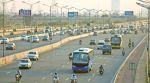
Bin Ladens safe house in Abbottabad,swooped in on by the US Navy Seals in an audacious operation about a year ago and then collectively viewed and mapped by the rest of the world,was razed just a few days ago. That building,with its 18-ft-high walls where bin Laden paced and watched himself on television,will be part of the bigger optical illusion of Pakistan that Bigelows crew is creating in India autorickshaws with Lahore number plates,hoardings in Urdu. Every city,as Bigelow reminds,is a set.
The lie of a land becomes the grid in which semblances are created that has always been the sleight of hand of set designers and filmmakers,thats how villages of Maharashtra transformed themselves into the dust bowls of Uttar Pradesh and Bihar in movies like Omkara and Gangajal; and thats how Madras and its suburbs stood for every village and town in south India for decades. Earlier,like during the Golden Age of Hollywood,it was the other way round: every studio was a city,many cities,in fact. Even now,when studios are ready with prefab townships and theres an app to draw an entire planet,filmmakers like Bigelow travel for geographical approximations,for a thin crust of reality to build their elaborate make-believes. They need to be welcomed.