Journalism of Courage
 5 min read



The usual explanation for Pakistan8217;s failure to go all-out against Al-Qaeda and Taliban forces along the Afghan frontier is that General Pervez Musharraf8217;s armed forces and intelligence services are riddled with Islamic extremists. But there is also another, equally disturbing, reason. Musharraf has increasingly been forced to divert ground forces and US-supplied air power from the Afghan front and from Kashmir earthquake relief efforts to combat a bitter, little-noticed insurgency in his strategic southern coastal province of Baluchistan.
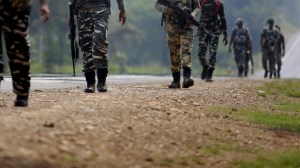
Musharraf8217;s 8216;8216;other war8217;8217; against the Baluch, an ethnic minority of 4.5 million, has become increasingly bloody in recent weeks. According to US intelligence sources, six Pakistani army brigades, plus paramilitary forces totaling some 25,000 men, are battling Baluch Liberation Army guerrillas in the Kohlu mountains and surrounding areas. The Pakistan Human Rights Commission has reported 8216;8216;indiscriminate bombing and strafing8217;8217; by 20 US-supplied Cobra helicopter gunships and four squadrons of fighter planes, including US-supplied F-16 fighter jets, resulting in 215 civilian dead and hundreds more wounded.
Visiting US Undersecretary of State Nicholas Burns told human rights commission leaders recently that the Baluch conflict is an 8216;8216;internal matter8217;8217; for Pakistan to resolve and that the US has not raised the issue with Musharraf. This policy should be reversed, not only to stop the carnage but also because the US has a major strategic stake in a peaceful accommodation between Islamabad and Baluch leaders. It should call on Musharraf to start negotiations immediately, and President Bush should keep up the pressure when he visits Islamabad in March.
Multi-ethnic Pakistan, dominated by Punjabis, who control the army, is likely to become increasingly ungovernable in the absence of a political settlement with the Baluch. A continued military confrontation in Baluchistan could intensify festering ethnic unrest in neighbouring Sindh and embolden various anti-Musharraf forces in Pakistan. Musharraf8217;s ability to put adequate military resources into the fight against Al-Qaeda and the Taliban, already limited, would be further reduced, undermining US efforts to stabilise Afghanistan.
The strategic importance of Baluchistan has grown since China started building a port for Pakistan at the Baluch port of Gwadar, close to the Strait of Hormuz, with a projected 27 berths, enough for a major Pakistani naval base that could be used by Beijing. The Baluch ancestral homeland stretches west beyond Gwadar into adjacent Baluch-majority areas of eastern Iran, where there is a nascent Baluch rebellion.
Iran fears Baluch nationalism, but India is more ambivalent. It wants a stable Pakistan that will negotiate a peace settlement on Kashmir. At the same time, many Indian commentators appear happy to see Musharraf bogged down in Baluchistan and hope the crisis will force him to ratchet down Pakistani support for Kashmiri Islamic extremist insurgents.
Musharraf has presented no evidence to back up his accusations that India is aiding the Baluch insurgents. But New Delhi did say on December 27 that it is 8216;8216;watching with concern the spiraling military violence in Baluchistan8217;8217; and called for political dialogue. Baluch and Sindhi leaders have often said they would welcome Indian intervention to liberate them from Islamabad.
At present, most Baluch leaders are ready to settle for the provincial autonomy envisaged in the 8217;73 constitution, which successive military regimes have nullified. What the Baluch, Sindhis and a third, more assimilated ethnic minority, the Pushtuns, want above all is an end to blatant economic discrimination by the Punjabis. Most of Pakistan8217;s natural resources are in Baluchistan, including natural gas, uranium, copper and potentially rich oil reserves. Although 36 per cent of the gas produced in Pakistan comes from the province, it consumes only a fraction of its production. For decades, Punjabi-dominated central governments have denied Baluchistan a fair share of development funds and paid only 12 per cent of the royalties due to the province for gas produced there.
The big difference between earlier phases of the Baluch struggle and the present one is that Islamabad is no longer able to play off feuding tribes against each other and faces a unified movement. Another difference is that the Baluch have a better-armed, more disciplined fighting force.
It is clear that a continuing Baluch insurgency would pose a major threat to the Musharraf regime and to US interests in Pakistan. Future military and economic aid to Islamabad should clearly be withheld until Musharraf stops his military repression in Baluchistan and enters into serious negotiations with Baluch leaders. Once the present crisis is defused, the US should launch a sustained effort to promote a process of democratisation in Pakistan that gives recognition to its multiethnic character.
LA Times-Washington Post