Journalism of Courage
 4 min read



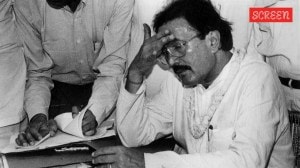
Dignifying Laloo Yadav with a response to his declaration that information technology is not relevant to India would be a pointless exercise but for two things. The first is the sad fact that he wields a profound influence on the destiny of the second largest and least developed of India8217;s states, and so what he says and thinks unfortunately matters. The other, perhaps more crucial, point is that governments especially but also privileged Indians need to take strenuous steps to bring home to the vast numbers of ordinary Indians the benefits to them of information technology, and especially of the Internet.
Failing this, resistance to IT and even a backlash against it is not an unlikely prospect. This is not alarmist. In the dot.com revolution now sweeping India, attention to the revolutionary potential of information technology and especially of the Internet for the vast numbers of unempowered Indians can easily take a backseat. That must not happen if this country is to begin to optimise the liberating potential of information technology for its hundreds of millions, not just its thousands.
quot;What is in a computer?quot; the worthy Laloo Yadav is reported to have asked rhetorically in a TV interview. quot;IT kya hota hai? IT kya hai? Hum iske virodhi hain.quot; What is information technology? I oppose it. The lazy response to this could be to dismiss these remarks as the rantings of an unthinking mind. It is hard to credit Laloo Yadav with so much intelligence, but there can be two perfectly rational explanations for his remarks. Having never had anything in the way of a positive idea, his currency has been fear: the fear of the unprivileged that the privileged in this society will continue to hoodwink them and do them out of their due.
Matters have not been helped by the elite displaying an unsympathetic attitude towards others who are less fortunate. Yadav8217;s remarks could easily ring true to those who are as yet unfamiliar with this revolution and its possible benefits. He could bamboozle his constituency into thinking that staying backward is a fine form of assertion. This is not hard to do when India is modernising at mind-bogglingly different speeds and, in Bihar, perhaps not modernising at all. These things breed suspicion, some of it not unjustified.
Of course Laloo Yadav could also have understood the threat that information technology and the Internet pose to the likes of him. His currency of fear, and the currency of other politicians like him, works among those who have been kept ignorant. The Internet particularly promises to change that, if only a modicum of literacy and access to this technology can be brought to the most deprived people. As much as the Internet brings revolutionary change at the top of Indian society, its most revolutionary potential is for the bottom of this society.
The well to do and the educated will of course use its technology to vastly improve their already good lives. But for the poorest, it represents sheer liberation from the compounded tyranny of ignorance and exploitation. Ask any Indian who can apply for a passport online today to go to a cleaning job at Heathrow airport what it means not to be cheated of much time and a hundred rupees even to get a passport application form.