Journalism of Courage
 4 min read



As the price of oil lurches towards 100 a barrel, a region which is generally not on centre stage has suddenly come into focus. Russia has planted its flag on the Arctic sea bed. Canada has staged 8216;Operation Nanook 078217;. Norway and Germany are rushing in. Britain seems to be losing out. Everybody and his brother, including the US, want a large slice of the 25 per cent of oil reserves in the world which lie below the Arctic ice. Meanwhile, environmental activists are up in arms, arguing that exploitation of these reserves would only add to the deleterious effects of climate change.
All things considered, the world is going to need these reserves in order to survive until alternative fuels are in place. But even as this is acknowledged, we need to also realise that the future of the world depends on arresting the emission of fossil fuels into the atmosphere. So how do we address this problem?
Oil prices show no signs of abatement. At such prices how can the developing world survive? The developed world also sees problems in the future and hence is out to grab what it can. The climate change debate mulls over whether the faster growing economies should restrict their levels of pollution or whether the developed world should now drastically reduce emissions by taking a cut on their super lifestyles, so that others in the world can have two meals a day.
Debates of this kind have been going on for years, with no solutions in sight, given the vested interests. Meanwhile, the ice cap above the Arctic Ocean has been reduced by at least 25 per cent over the last 30 years. In fact, 10 per cent of the Arctic ice cap has shrunk by 10 per cent since 2005, and some project that the Arctic Ocean could be ice-free in summer by 2040.
Tragic as this is, it also provides an opportunity. The world needs to use the estimated 25 per cent of the world8217;s total oil that lies here for the world8217;s common good. The resource could be used for research, devising technologies to arrest climate change and for development purposes in those parts of the world that need assistance. Development agencies, governmental bodies and civil society could work for real and lasting solutions.
This would entail setting up an entity to manage the extraction, distribution and sale of the resource, with poorer countries having a larger say in how this money could be spent. It is these countries, after all, which know at first hand the needs of the poor. The other principle to be kept in mind is complete transparency in the disbursement of the funds in tranches against pre-arranged outcomes, with independent audits to ensure that countries receiving the aid are spending it in the manner agreed, without any hidden agendas. Cross sector/country supervisors working on the project can work towards ensuring that the agreed plan is being followed.
In addition to the oil-related resources, there could be large revenues through tolls, cesses and charges on shipping routes that would open up, especially as these new routes would reduce the distance between Asia and Europe by up to 8,000 km, apart from drastically reducing freight costs and shipping time. A part of this saving could be collected by the new entity for the purposes mentioned, as an ongoing source of revenue.
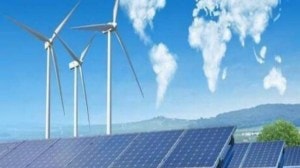
The benefits of such an approach are many. For one, the huge supply of oil will bring down energy prices to manageable levels for the benefit of all, except a handful of oil producing countries. It will help develop technologies that will provide for the extraction of this oil with the least effect on climate change. It will also provide a percentage of the revenues 8212; a huge amount 8212; from the extracted oil to develop alternative fuels that are less harmful to the climate.
In the year when the world has sat up and recognised the importance of the climate change agenda, with the Nobel Prize being awarded to Al Gore and the IPCC, chaired by Dr R.K. Pachauri, the stage has been set to shape an exciting agenda.
The writer specialises in energy issues