Journalism of Courage
 2 min read



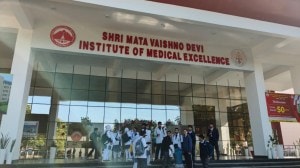
Armed Forces Medical College AFMC and Command Hospital CH on the occasion of World Stroke Day recently have evolved a 8216;stroke protocol8217; to sensitise people on the high risk of strokes.
According to this protocol, a 8216;stroke team8217; comprising an emergency care physician, neurologist, radiologist, interventional radiologist, neurosurgeon, critical care specialist and specially trained nursing and paramedical staff take charge of a patient immediately after brought in to the emergency services.
According to Brig S Rohatgi, head, department of Internal Medicine, AFMC, stroke or brain attack is a global epidemic and is the second commonest cause of death in India.
Initiatives have been taken by the department of Neurology, CH to sensitise people towards the high risk of stroke associated with high blood pressure, diabetes, smoking, high cholesterol, physical inactivity and obesity.
Strokes occur when the brain is deprived of adequate oxygen supply. Strokes are of two types 8212;Ischaemic caused by a blockage in an artery supplying blood to the brain and Haemorrhagic caused by a tear in the wall of an artery leading to bleeding into the brain. Ischaemic strokes are more common. Clinically 8216;silent strokes8217; are little strokes that lead to bigger strokes and complications such as dementia. According to Col S P Gorthi and Lt Col KM Hassan, neurologists at AFMC and CH, survival and potential recovery from a brain attack depends on quick access to medical care. The critical period within which adequate medical care has to be started is within four to five hours of the onset of symptoms.
As per the stroke protocol, brain imaging and immediate thrombolytic therapy is carried out to dissolve blood clots.
It has been seen that clot-busting thrombolytic therapy facilitates good recovery with minimal residual disabilities when instituted within four to five hours.