7 min read
© The Indian Express Pvt Ltd



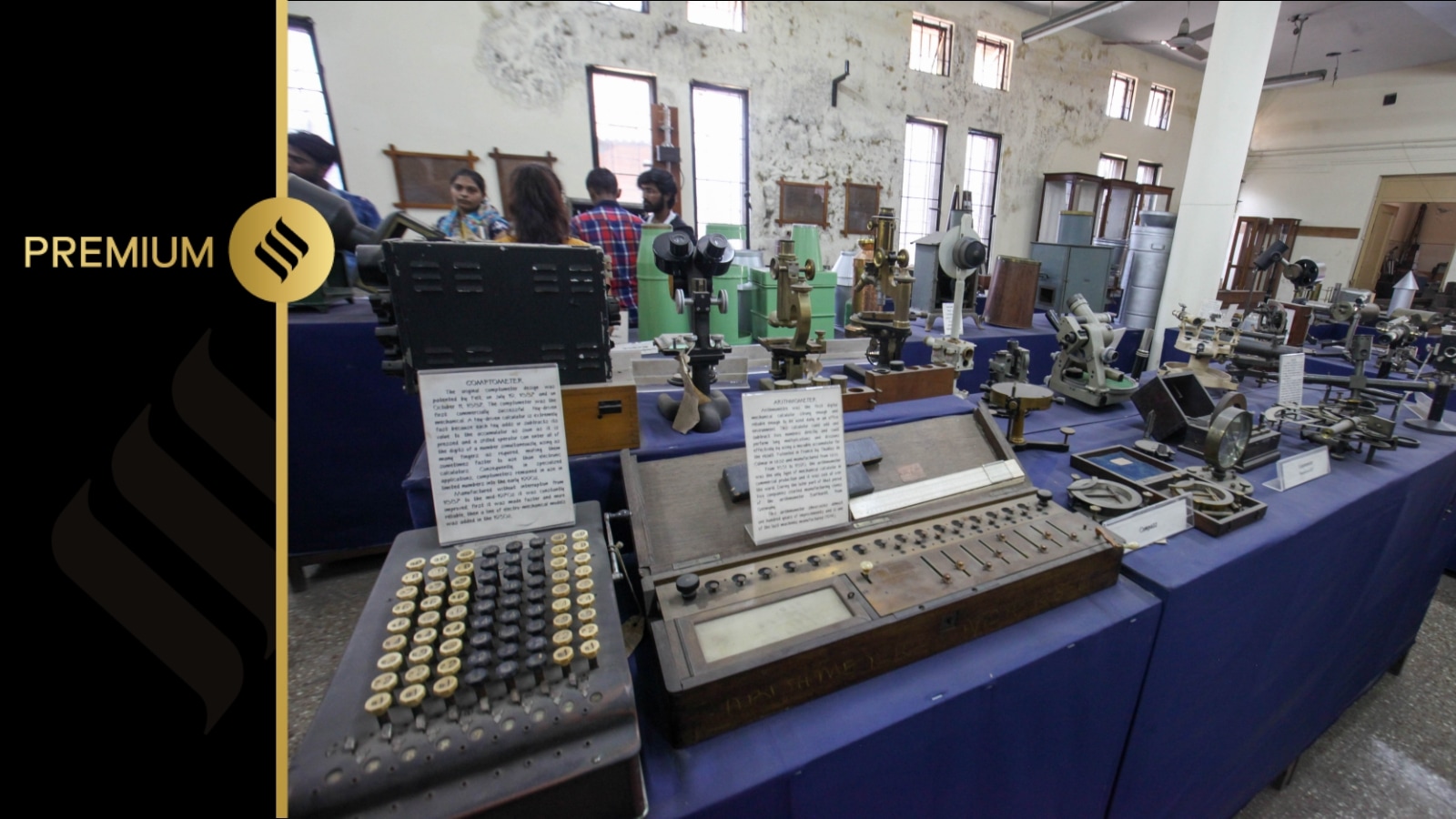 Over 5,000 British-era meteorological instruments made of wood, copper, brass, glass, etc., sourced from its observatories across India, have been carefully placed on tables inside a massive hall at IMD Pune. (Express Photo: Arul Horizon)
When London-based L Casella & Company stamped “1899” on the circular brass base of the sunshine recorder, little did they know that the uniquely designed instrument would go on to serve the India Meteorological Department (IMD) for nearly a century.
The sunshine recorder, which is used to track the duration of sunlight at a given location, is not the only prized possession housed inside IMD’s Pune office.
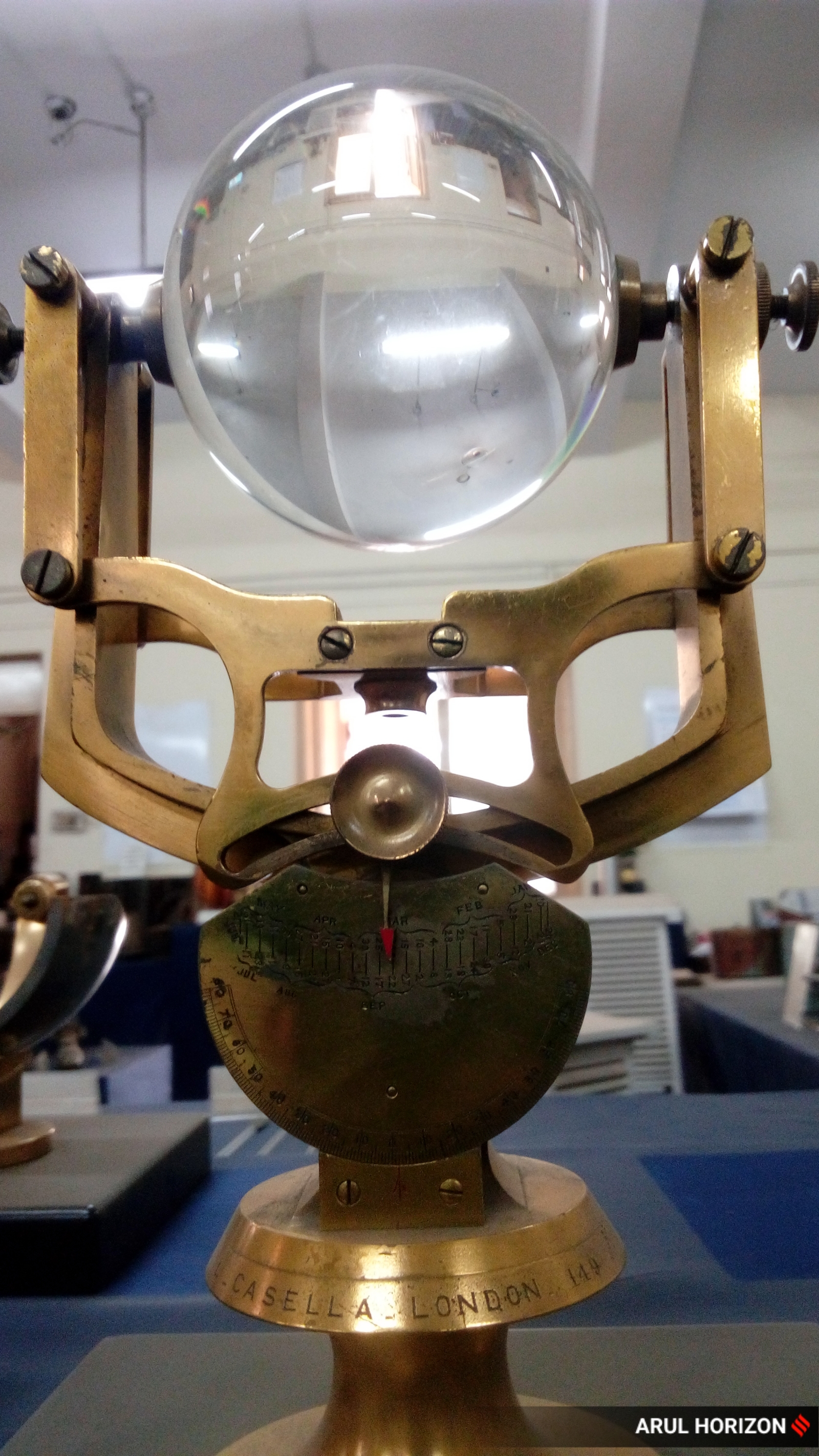 A sunshine recorder that was manufactured by London-based L Casella in 1899. (Express Photo: Arul Horizon)
Over 5,000 British-era meteorological instruments made of wood, copper, brass, glass, etc., sourced from its observatories across India, have been carefully placed on tables inside a massive hall at IMD Pune. From a 19th century arithmometer to a floating evaporimeter manufactured in 1909, a tipping bucket rain gauge manufactured in 1925 and a comptometer or the earliest of commercial calculators — these are among some of the oldest meteorological instruments that are currently in the possession of the 96-year-old Pune weather office, itself a heritage building.
These vintage instruments are expected to “retire” in Pune, in a unique — and India’s first — museum of meteorological instruments and antiquities. The Union Ministry of Earth Sciences has granted an ‘in-principle’ approval to this museum. Primary discussions on the museum are currently underway between the IMD and the National Council of Science Museums, Kolkata. The museum plan assumes significance in light of 2024 marking 150 years of IMD’s existence.
 Arithmometer was the first mechanical calculator that allowed a user to make two-digit additions, subtractions, multiplications and divisions. (Express Photo: Arul Horizon)
Mrutyunjay Mohapatra, IMD Director General, told The Indian Express, “The museum will be designed using the latest technologies. The exhibits will be a combination of both traditional and advanced instruments.”
The sunshine recorder, another of the instruments that will find its space in the museum, is a transparent glass globe about 10 cm in diameter and axially mounted on a U-shaped calibrated mount. A hair hygrograph, which used human hair to measure humidity, will also be among the prized displays. At the IMD’s Goa office, about 450 km south of Pune, is a mercury barometer that the Portuguese used to measure air pressure — considered a risky instrument due to environmental and safety risks associated with handling of the element — and which will find its final resting place in the museum.
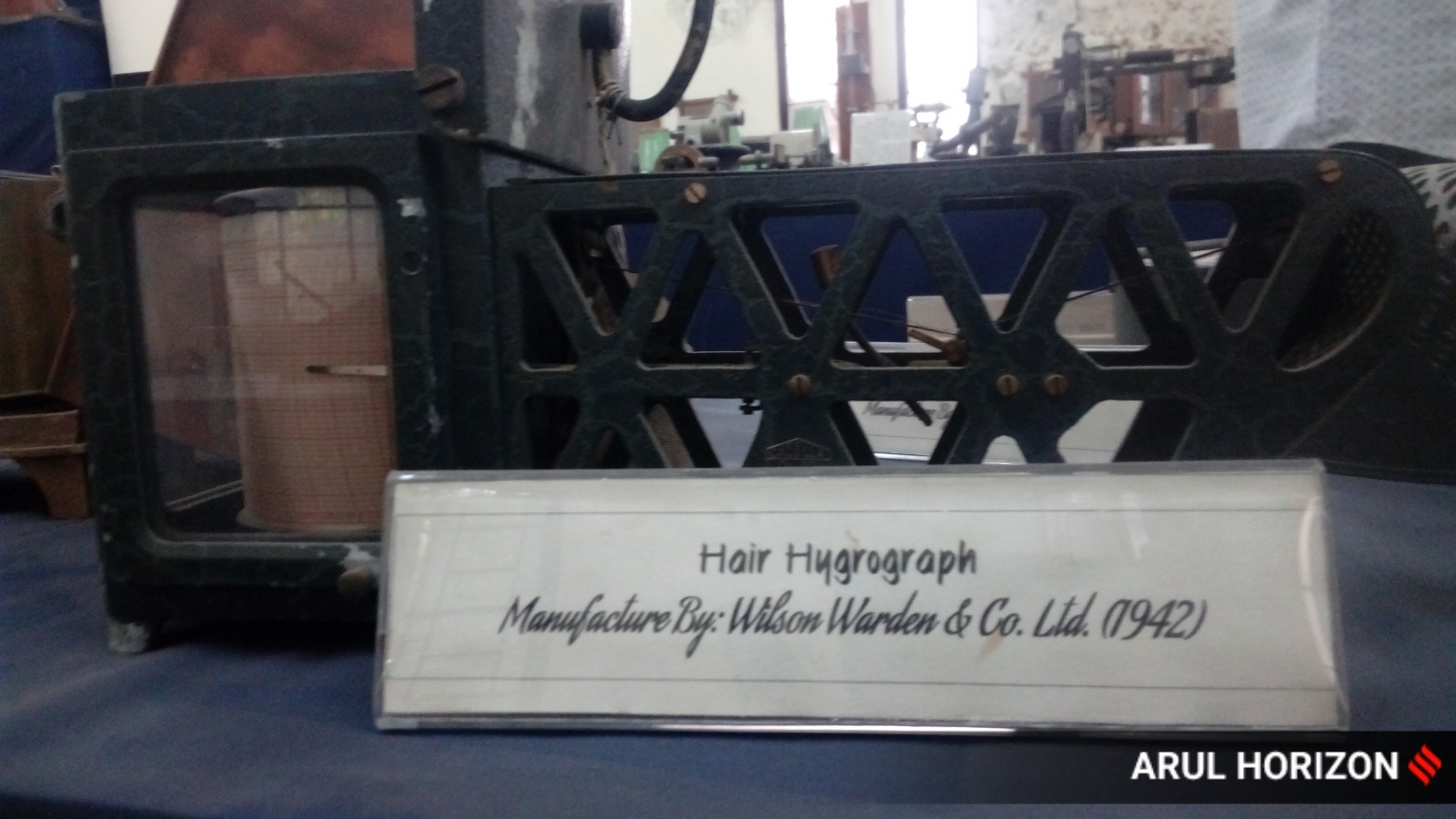 A hair hygrograph, which used a human hair strand to measure humidity, that was manufactured by Wilson Warden and Co Ltd in 1914. (Express Photo: Arul Horizon)
Though India has science museums, an institute dedicated to atmospheric sciences and meteorology will be a first for the country. Globally, too, there are very few institutions on meteorological history. In fact, experts at the International Meteorological Artifacts Preservation Program (IMAPP) had told The Indian Express over email earlier that most international meteorological artefacts are preserved by individuals in North America and Europe.
K S Hosalikar, head of the museum project and head of Climate Research and Services at IMD, Pune, said, “The Pune museum will also display historical documents such as hand-drawn weather charts and maps, daily weather reports, important letters and photographs depicting milestone events.”
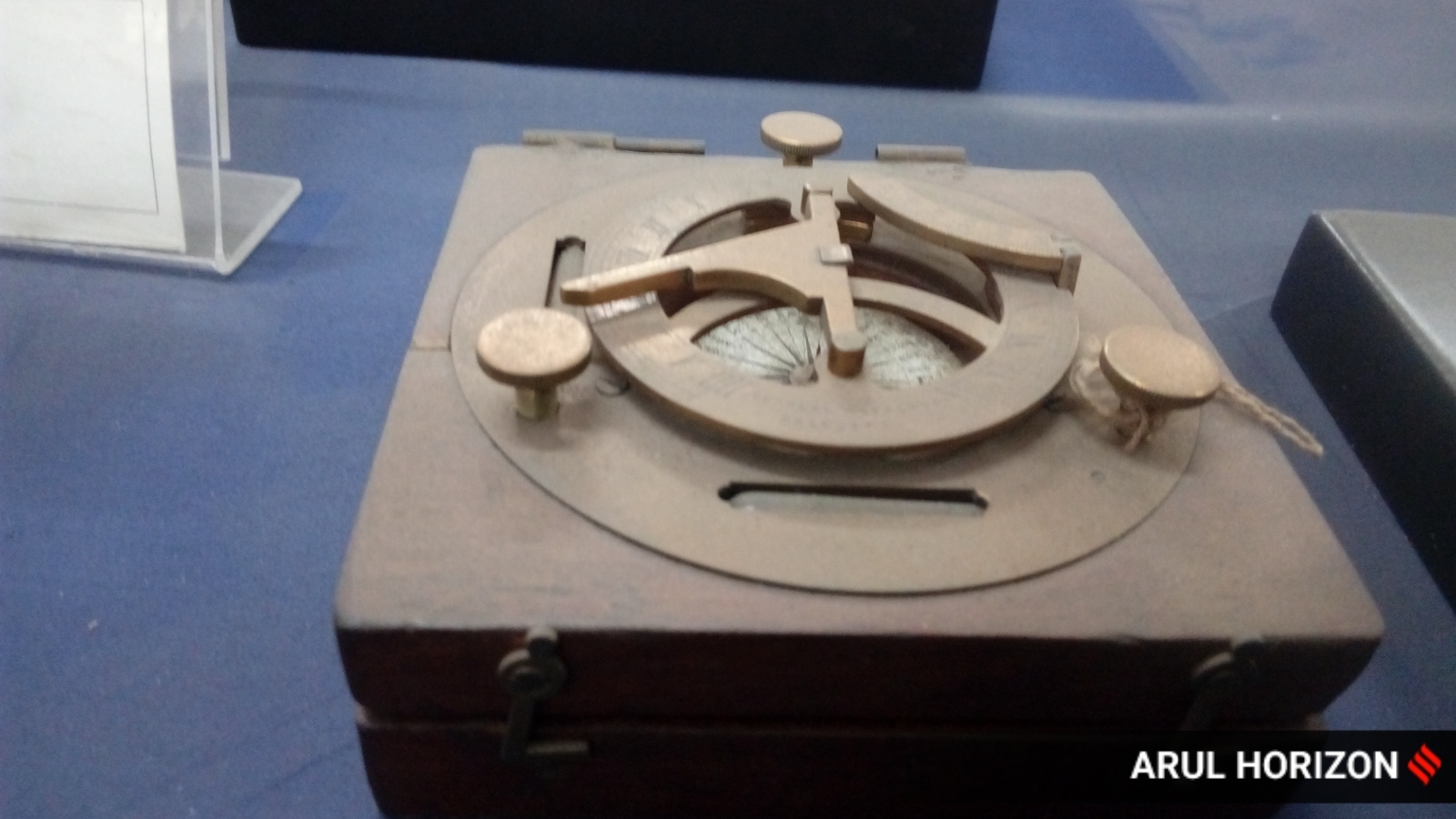 The sun tracker was used to track the sun and calculate the length of days across seasons. (Express Photo: Arul Horizon)
Some of IMD’s vintage weather instruments were gifted by England’s late Queen Victoria.
Pune was chosen as the venue for the museum since it houses IMD’s largest collection of analog and digital instruments. The city is also home to the National Data Centre, which verifies and archives meteorological data generated by IMD’s instruments.
During their 2016 visit to Pune, the World Meteorological Organization officials had hailed the collection of meteorological instruments there as “rarest of the rare collections” in the world.
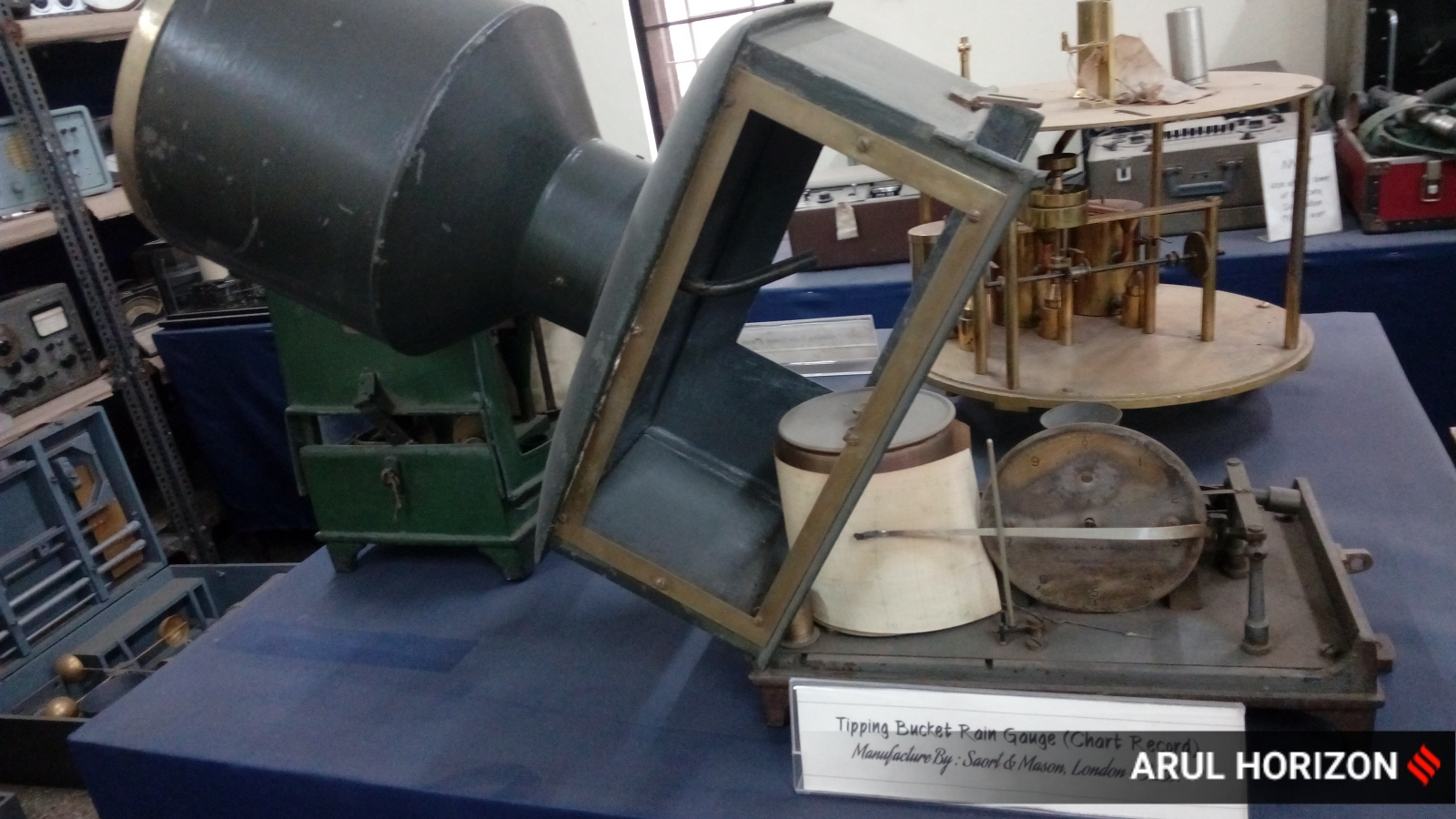 A tipping bucket rain gauge, which was used to measure rainfall, manufactured by Saort and Mason in London in 1925. (Express Photo: Arul Horizon)
The city’s Met office also houses historic records of rainfall, temperature, humidity, evaporation rates, wind speeds and directions, sunshine, air pressure and more, since 1901.
Despite its present significance in India’s weather science history, Pune entered the IMD fold much later. The Alipore observatory in Kolkata was IMD’s first headquarters, after which the office would shift to Shimla and finally Pune. The move allowed meteorologists back then to remain in the plains to study Indian monsoons. Besides better scope for expansion, the Pune office was a more suitable spot to study the monsoon owing to the city’s favourable climate and its proximity to the west coast.
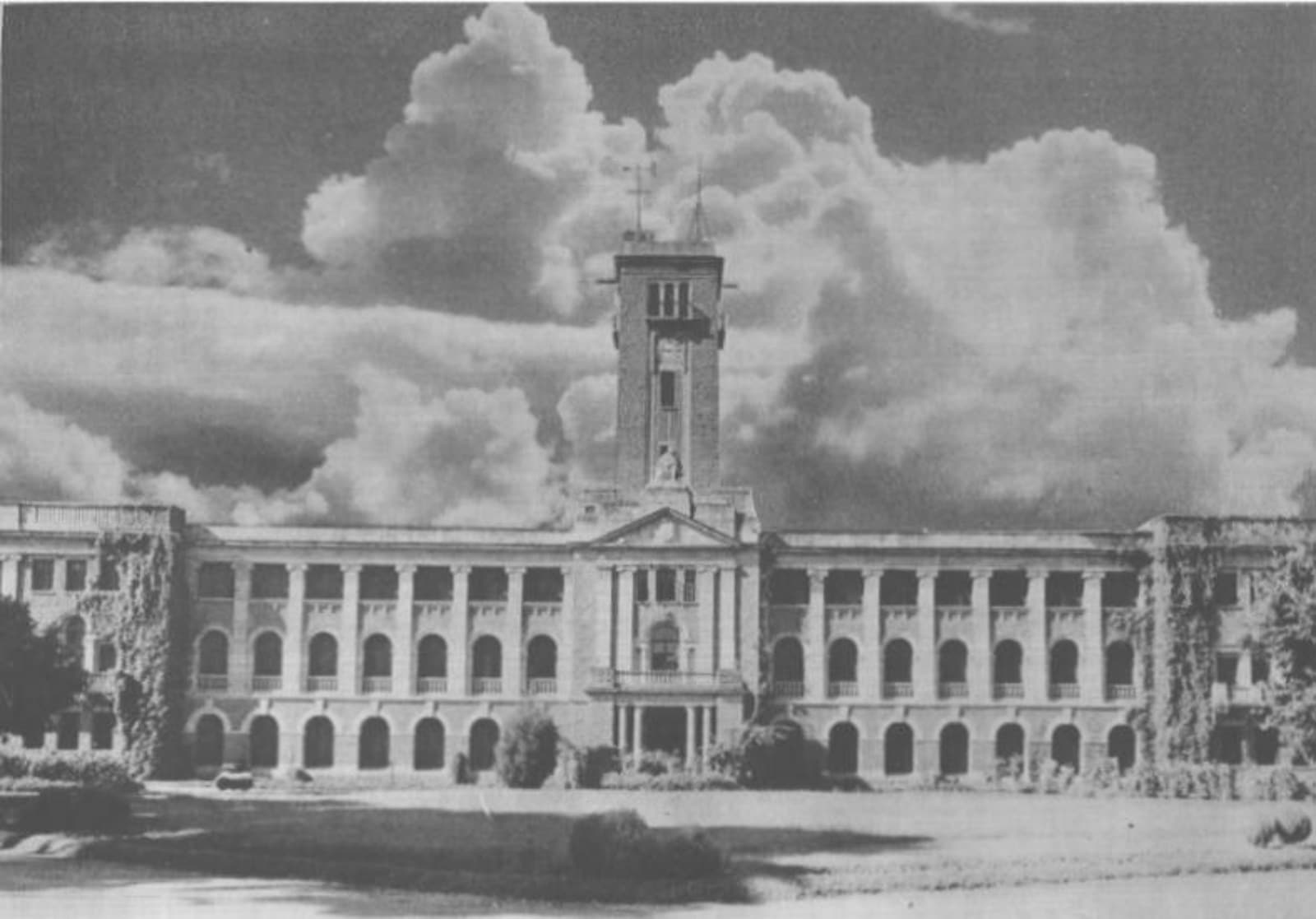 The meteorological office in Pune was built in 1928. (Source: IMD)
Instrument calibration, too, was originally undertaken at Alipore since 1875. A quarter century later, an Instruments Section was established in Pune. The city functioned as IMD headquarters from the late 1920s till the start of World War II. Till date, the Surface Instruments workshop in Pune calibrates existing meteorological instruments and supplies new ones that are installed for recording surface observations.
On the significance of these “historic” instruments, a former IMD official, who was with the Surface Instruments division, said, “Climate change studies require continuous meteorological observations spanning several decades. In order to come up with an average of any meteorological parameter, a set of good quality data — spanning a minimum of 50 to 80 years — is must. Only then can any credible conclusions be drawn.”
 The wind direction and speed indicator, used to derive wind speed and direction, manufactured at IMD Workshop in Pune in 1938. (Express Photo: Arul Horizon)
Each vintage instrument at IMD, Pune recorded observations in different ways and with varying degrees of accuracy. Without that history, there would be no knowledge of how meteorological observations and services were carried out and ultimately, how the past weather was, an IMD official said.
Extreme weather events such as prolonged droughts, longer heatwave spells, abnormally high rainfall in short time durations and rapid intensification of cyclones are all becoming common events, making the need for accurate historical weather observations to study the past ever more relevant, the official added.
“The museum will not just teach visitors about the history of meteorology in India, but also about current developments and future plans related to weather and climate,” said senior meteorologist Hosalikar.
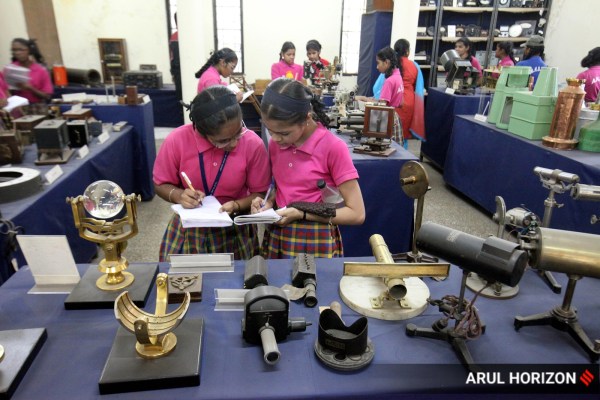 Vintage meteorological instruments on display at the IMD Pune office. (Express Photo: Arul Horizon)
The museum proposal also envisions setting up a smaller museum in New Delhi, where the IMD headquarters is currently located. The museum is also expected to include separate sections on polar atmosphere, extreme weather events, climate change and its impact, among others. There are plans to offer visitors real-time experiential zones to allow them to feel certain weather phenomena.
Hosalikar said, “Such a museum will also help IMD grow. It has the potential to make the public aware of the challenges involved in issuing forecasts in a vast country like India.”