


📣 For more lifestyle news, click here to join our WhatsApp Channel and also follow us on Instagram
Tags:


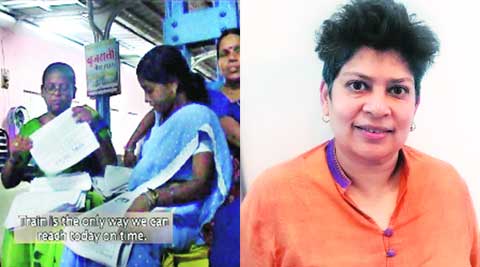
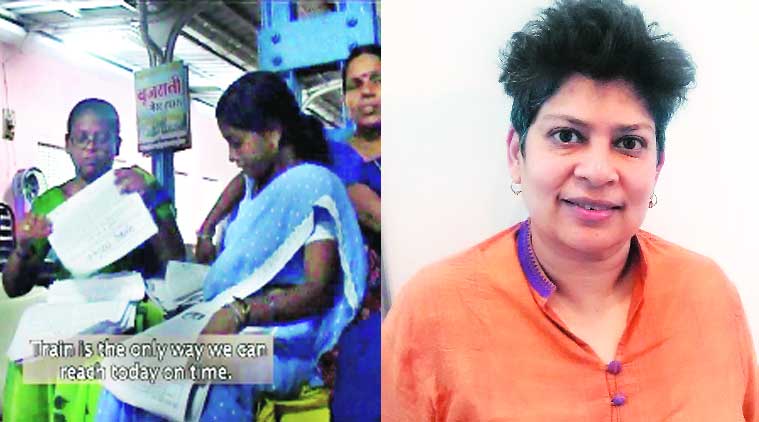
In a scene in Taaza Khabar (Hot Off the Press), a man in eastern Uttar Pradesh’s Markundi village sits outside a stall, reading out loud from Khabar Lahariya.
The news is about a series of deaths that have occurred due to malaria in a nearby village and this draws a crowd of keen listeners — some squatting on the road, others standing around him. For director Bishakha Datta, this scene showcases a unique facet of media culture in India. “Community reading of a newspaper is so different from how we consume the news, reading our papers individually,” she says.


She followed the women journalists for two weeks — the paper was published fortnightly then — as they covered local panchayat elections. This included sitting in their editorial meetings, travelling with them as they reported, went to Allahabad for the printing and the final distribution on the trains. “This was a time when cell phones had not penetrated those areas. Everything was done the old-fashioned way. It was enormous hard work, the women would travel for hours on end, taking buses and trains,” recalls the former journalist.
The 31-minute film shows how the paper, published in dialects such as Bundeli, Awadhi and Bhojpuri, is shaping democracy at the grassroots, making the police and the government accountable. Interestingly, in the seven years since it released, Khabar Lahariya has grown phenomenally — it now sells 6,000 copies across Uttar Pradesh and Bihar and has an estimated readership of 80,000. Now a weekly it has its own website and a strong social media presence.


