4 min read
📣 For more lifestyle news, click here to join our WhatsApp Channel and also follow us on Instagram
© IE Online Media Services Pvt Ltd



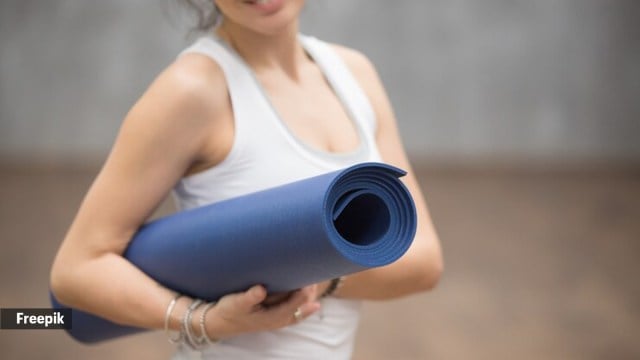 Dr Jagadish Hiremath, medical director at Aasra Hospitals, asserts, “Many traditional yoga mats are made from polyvinyl chloride (PVC), which often contains chemical additives such as phthalates and bisphenol A (BPA). (Source: Freepik)
Is your yoga mat potentially harmful to your health — affecting your hormones and overall well-being? Scientist and content creator Warren Phillips thinks so.
In his reel posted on Instagram recently, Phillips highlighted that commonly used yoga mats pose health risks due to the toxic chemicals infused in them. “That chemical smell you get hit with on your yoga mat is DEFINITELY NOT healthy – in fact, it has been confirmed in studies that yoga mats give off phthalates!” he captions the post.
View this post on Instagram
According to a 2021 study published in SPE Polymers on behalf of Society of Plastics Engineers, “Polyvinyl chloride (PVC) has been extensively used for yoga mats. However, PVC mats are more toxic and difficult to dispose of after usage, so the development of new material is of great interest.”
Dr Jagadish Hiremath, medical director at Aasra Hospitals, asserts, “Many traditional yoga mats are made from polyvinyl chloride (PVC), which often contains chemical additives such as phthalates and bisphenol A (BPA).
“These substances are known as endocrine disruptors. Endocrine disruptors can interfere with the body’s hormonal system, mimicking, blocking, or altering the production of hormones, potentially leading to a host of health issues.
He addresses specific concerns with phthalates that are particularly concerning as they are used to make PVC more flexible. They can leach out during use, he says, especially as the mat wears down, which can lead to direct skin contact and inhalation of toxic particles. These compounds have been linked to various health issues, including reproductive problems and increased risk of certain cancers.
Dr Hiremath explains that continued exposure to toxic chemicals present in most yoga mats today can lead to damaging results for overall health. He talks about two of the biggest concerns:
Hormonal imbalance: Continuous exposure to the chemicals in conventional yoga mats can lead to hormonal imbalances, affecting everything from reproductive health to metabolism and mood regulation.
Overall wellness impact: Beyond hormonal health, these chemicals can contribute to the development of chronic diseases such as diabetes, obesity, and thyroid malfunction, as they interfere with normal hormonal functioning and metabolic processes.
 Certifications to look for include Oeko-Tex Standard 100, that ensures the textiles are free from health-hazardous substances. (Source: Freepik)
“Alternatives to PVC mats include those made from natural rubber, organic cotton, or cork,” Dr Hiremath reveals. These materials do not require harmful chemical additives and are biodegradable, offering a safer option for both the user and the environment.
Natural rubber mats provide excellent grip and durability, he says, making them suitable for intensive practices. Cork mats are antimicrobial and provide a good grip that increases with moisture, making them ideal for hot yoga. Organic cotton mats, while less common, offer comfort and washability, suitable for more gentle yoga styles.
Eco-certifications: When purchasing a yoga mat, Dr Hiremath suggests to look for certifications that guarantee the product is free from harmful chemicals.
Certifications to look for include Oeko-Tex Standard 100, that ensures the textiles are free from health-hazardous substances, or GOTS (Global Organic Textile Standard). It confirms the organic status of textiles from the harvesting of raw materials through environmentally and socially responsible manufacturing.
Other labels: Additionally, looking for products labeled as “PVC-free,” “phthalate-free,” or “non-toxic” can also guide consumers towards safer choices.