3 min read
📣 For more lifestyle news, click here to join our WhatsApp Channel and also follow us on Instagram
© IE Online Media Services Pvt Ltd



 What is ghost poop? (Source: Freepik)
Many people have had the peculiar experience of going to the bathroom and wondering if anything happened. This oddly common phenomenon can be both perplexing and humorous. It often raises questions about digestion, bodily functions, and what constitutes a ‘successful’ visit to the restroom.
Describing this phenomenon, Dr Pranav Honnavara Srinivasan consultant gastroenterologist at Fortis Hospitals Bengaluru, tells indianexpress.com, “‘Ghost poop’ is a term commonly used to describe a bowel movement that leaves no visible residue in the toilet after flushing or where the stool disappears quickly.”
While this may seem unusual, many doctors suggest that ghost poop may indicate efficient digestion. He adds, “Stool sinks and disappears without a trace due to its density and lack of excess gas or fat. When the body processes food properly, and the stool is well-formed without excess air or fats, it tends to sink quickly, indicating a healthy digestive process.”
Dr Srinivasan informs, “According to many medical professionals, ghost poop is often a positive sign of healthy digestion. However, some argue that changes in stool appearance — such as consistently sinking stools — could point to issues like fat malabsorption or digestive imbalances, particularly if the stool becomes too compact or difficult to pass.”
For most people, though, ghost poop is typically harmless and may reflect good digestive health, especially when combined with other signs of a well-functioning system like regularity and minimal discomfort.
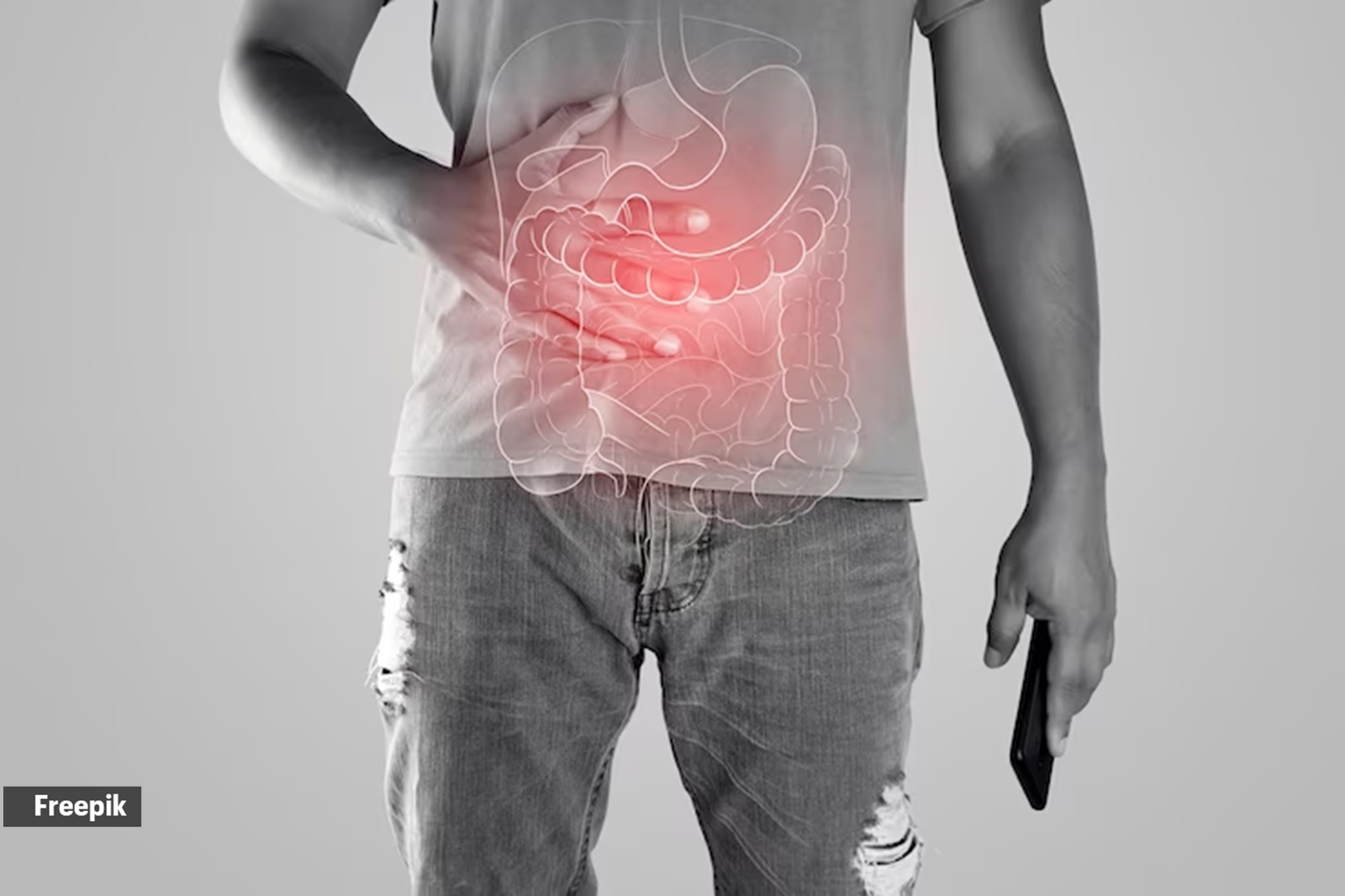 The gut microbiome plays a crucial role in digestion. (Source: Freepik)
Several factors influence the buoyancy of stool and contribute to the occurrence of ghost poop, says Dr Srinivasan. These are:
High Fibre Diet: Doctors often point out that a well-balanced diet, particularly one high in insoluble fibre, can produce stool that is firm and dense. Fibre increases stool bulk, which improves digestion and prevents stool from floating excessively due to trapped gas.
Hydration: Adequate hydration helps keep stool soft, making it easier to pass. However, if there is a lack of sufficient water, the stool can become denser and may sink quickly upon entering the water.
Gut Flora: The gut microbiome plays a crucial role in digestion. A balanced microbiome can regulate gas production and aid in proper nutrient absorption, which in turn influences the buoyancy of stool.
If any of the following accompanies ghost poop, medical advice should be sought:
-Unexplained weight loss
-Changes in stool consistency (such as very hard or pellet-like stools)
-Abdominal pain or bloating
-Blood in the stool or changes in colour (dark or tarry stools)
Dr Srinivasan states that these symptoms could indicate “conditions such as irritable bowel syndrome (IBS), celiac disease, or even pancreatic issues.” However, for most healthy individuals, ghost poop is often a positive indication of effective digestion and nutrient absorption.
DISCLAIMER: This article is based on information from the public domain and/or the experts we spoke to. Always consult your health practitioner before starting any routine.