5 min read
📣 For more lifestyle news, click here to join our WhatsApp Channel and also follow us on Instagram
© IE Online Media Services Pvt Ltd



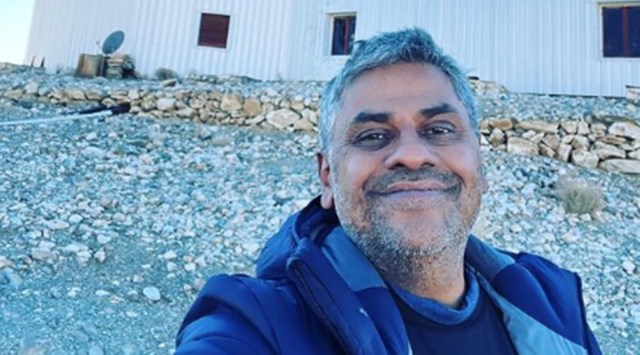 Ambareesh Murty, the CEO and co-founder of Pepperfry, passed away in Leh. (Source: Ambareesh Murty/ Instagram)
 Ambareesh Murty, the co-founder and CEO of Pepperfry, died in Leh after a sudden cardiac arrest on Monday. Murty was an avid biker and trekker, who would often go on bike rides to high altitude destinations.
According to Dr Sanjay Singh, General Physician, Cygnus Laxmi Hospital, bike trips to high-altitude places can pose certain risks, especially for individuals who are not accustomed to high altitudes. Altitude sickness, also known as acute mountain sickness (AMS), is a common concern.
Murthaza Junaid, who has worked in the travel industry for 22 years out of which 14 have been spent as a seasoned biker, said that people at higher risk of cardiac arrest include those with pre-existing medical conditions, a history of altitude sickness, cardiovascular issues including blood pressure issues, respiratory problems, and blood disorders.
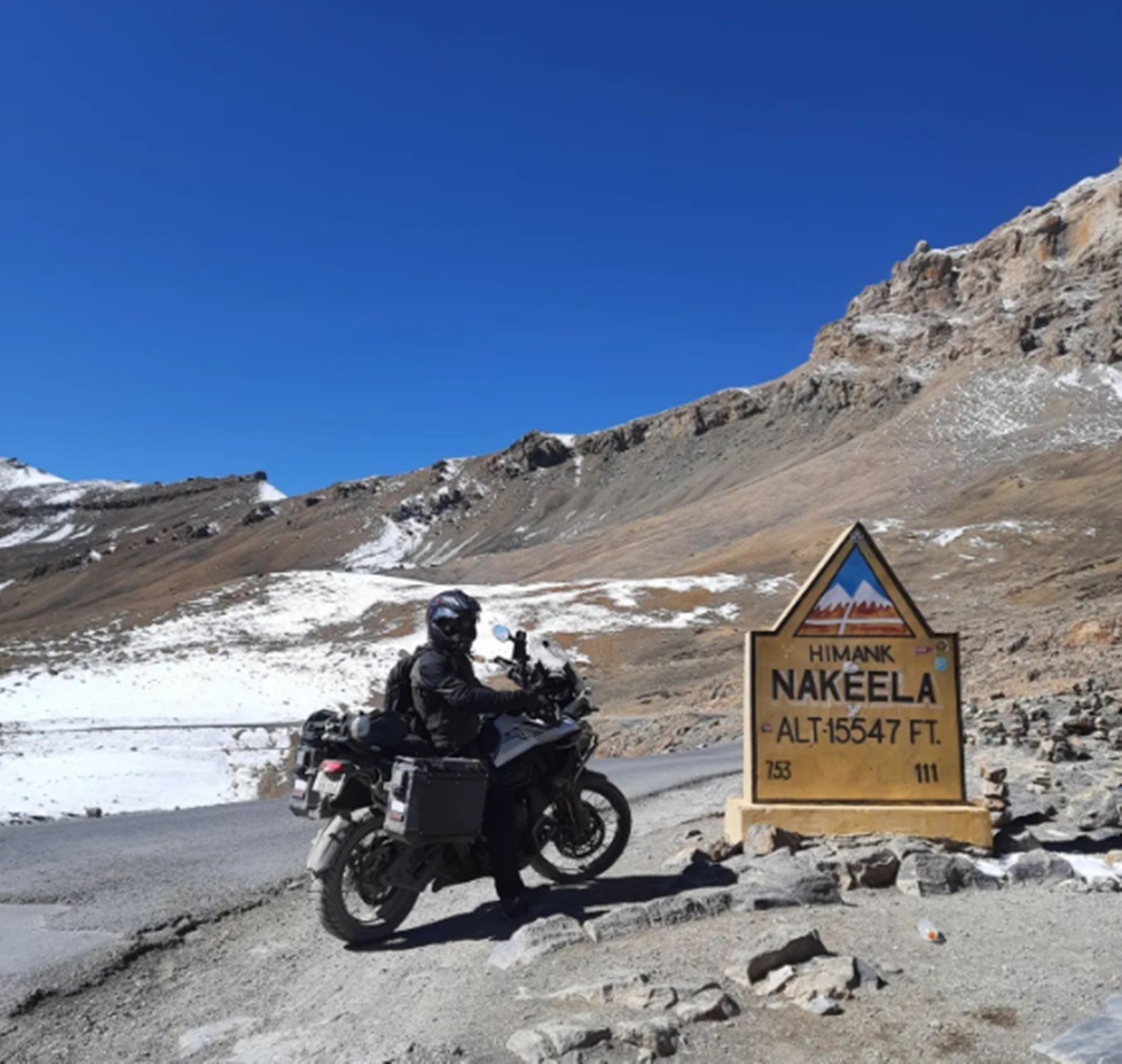 Make sure to stagger your trips by stopping overnight at various destinations as your body will acclimatise to that air pressure while you’re sleeping. (Source: Murthaza Junaid/ Instagram)
There is a general health checklist you should be following, when it comes to preparing for a bike trip to high altitude places, according to both the experts, which is as follows:
Health checklist for bike trips
– Get a basic blood test, including your HG, SpO2 levels.
– Consult a healthcare provider to assess your fitness for high-altitude activities.
– Gradually increase your physical fitness before the trip.
– Plan a gradual ascent to allow for acclimatisation.
– Stay hydrated but avoid excessive alcohol and caffeine.
– Pack warm clothing, rain gear, a map, GPS device, and repair tools.
– Carry high-energy snacks and water purification methods.
– Research the route, weather conditions, and emergency contact information.
– Have the information of the nearest hospitals to your location at hand.
– Hypothermia can be a problem especially if you have to cross rivers, so carry loads of warm socks.
According to Junaid, it is important to slowly acclimatise your body to the higher altitude when you’re travelling there on your bike. “Make sure to stagger your trips by stopping overnight at various destinations as your body will acclimatise to that air pressure while you’re sleeping,” he said.
Dr Singh also recommended hydrating yourself properly and listening to your body if you experience symptoms of altitude sickness like headache, nausea, or fatigue, in which cases you must immediately descend to a lower altitude.
Equipment and clothing to carry for these trips
According to the experts, here is some essential equipment and clothing you should carry on a bike trip.
– Essential gear: Bike repair tools, spare parts, helmet, gloves, and protective eyewear.
– Navigation: Map, GPS device, compass, or smartphone with offline maps.
– Communication: Fully charged cell phone, satellite communicator, or walkie-talkies.
– Safety: First aid kit, emergency blanket, whistle, and headlamp.
– Layering: Wear moisture-wicking base layers, insulating layers, and a waterproof outer shell.
– Head protection: A helmet with good ventilation and sun protection.
– Gloves: Insulated gloves to keep hands warm.
– Footwear: Sturdy, comfortable, and waterproof shoes with good grip.
Junaid recommended wearing level 2 rated armour for your body, along with an adventure touring helmet, ankle boots.
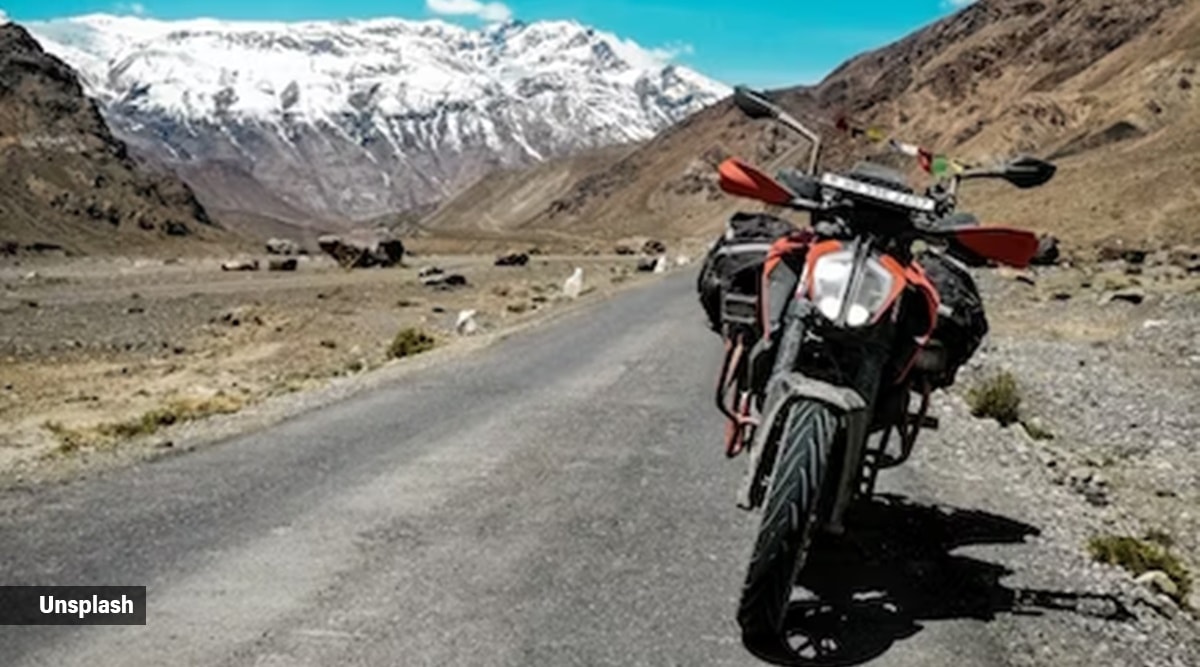 If symptoms are severe, immediate descent is crucial. (Source: Unsplash)
Build a first-aid kit
According to Dr Singh, here are the essentials for your first-aid kit.
– Basic wound care: Adhesive bandages, gauze, antiseptic wipes, and medical tape.
– Medications: Pain relievers, antidiarrheal medications, antihistamines, and any personal prescription medications.
– AMS medication: Consult a healthcare provider for appropriate altitude sickness medication.
– Emergency items: Tweezers, scissors, CPR face shield, and a first aid manual.
Junaid lists a couple of other items to add to your checklist.
– Hydrogen peroxide: This is to clean your wounds as Dettol wouldn’t be enough to disinfect them if you’ve fallen from your bike
– Antiseptic cream to apply on wounds
– Oxygen cylinders: These are very important in case of emergencies.
Remember, altitude sickness can be life-threatening. If symptoms are severe, immediate descent is crucial. It’s highly recommended to undergo a medical examination and get personalised advice before attempting a high-altitude bike trip, especially for individuals with pre-existing health conditions.
📣 For more lifestyle news, follow us on Instagram | Twitter | Facebook and don’t miss out on the latest updates!