3 min read
📣 For more lifestyle news, click here to join our WhatsApp Channel and also follow us on Instagram
© IE Online Media Services Pvt Ltd



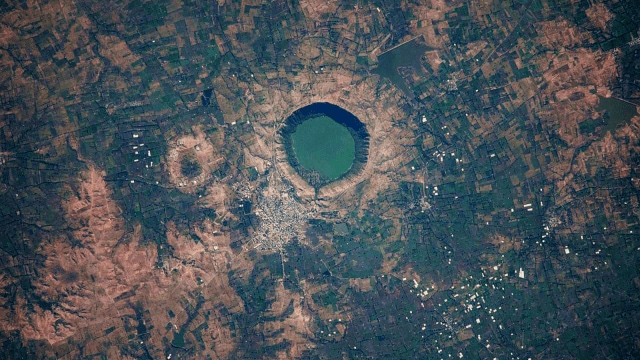 Lonar Lake crater (Photo: Wikipedia)
India’s landscape quietly reveals evidence of cosmic collisions, where asteroids struck the Earth and left craters that sometimes became lakes. These rare remnants of cosmic events are fascinating because they show impacts from space, erosion, and how nature adapts. Most known impact sites in India do not have permanent lakes, but a few have or once had water-filled craters. Take a look at five of these crater lakes in India, formed by meteor strikes.
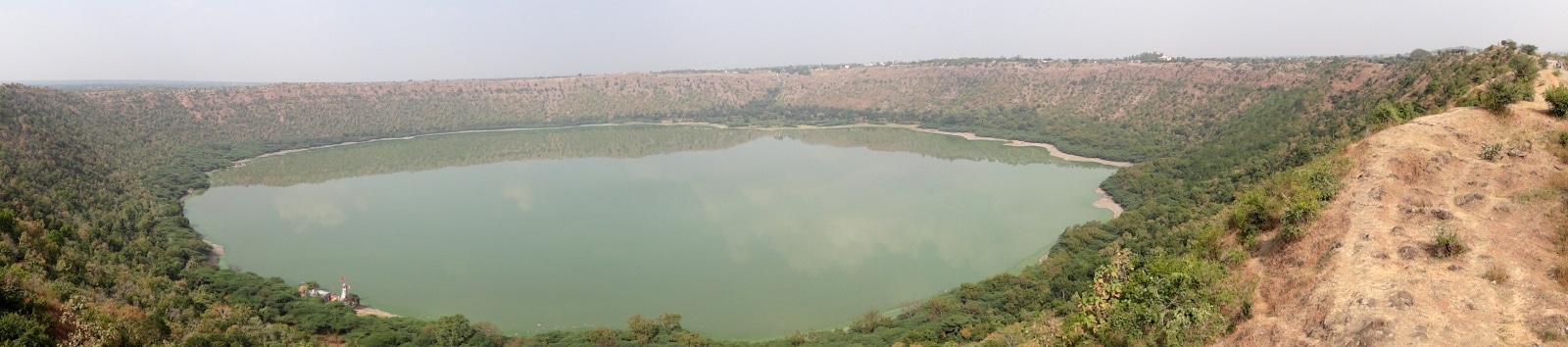 Lonar lake (Photo: Wikipedia)
It is by far India’s most famous and only fully confirmed meteorite crater lake. Located in the basaltic Deccan Traps, this nearly circular depression was created by a high-velocity meteorite impact, now estimated to have occurred anywhere between ~50,000 years and possibly up to ~570,000 years ago. The presence of “maskelynite” — a glassy form of plagioclase formed only under extreme shock — and other shocked minerals confirms its extraterrestrial origin. The lake itself lies about 137 m below the crater rim, spans roughly 1.2 km in diameter, and contains highly alkaline and saline water. Surrounding the crater are ancient temples, a wildlife sanctuary, and fragile ecosystems — a blend of spiritual, scientific, and ecological wonder
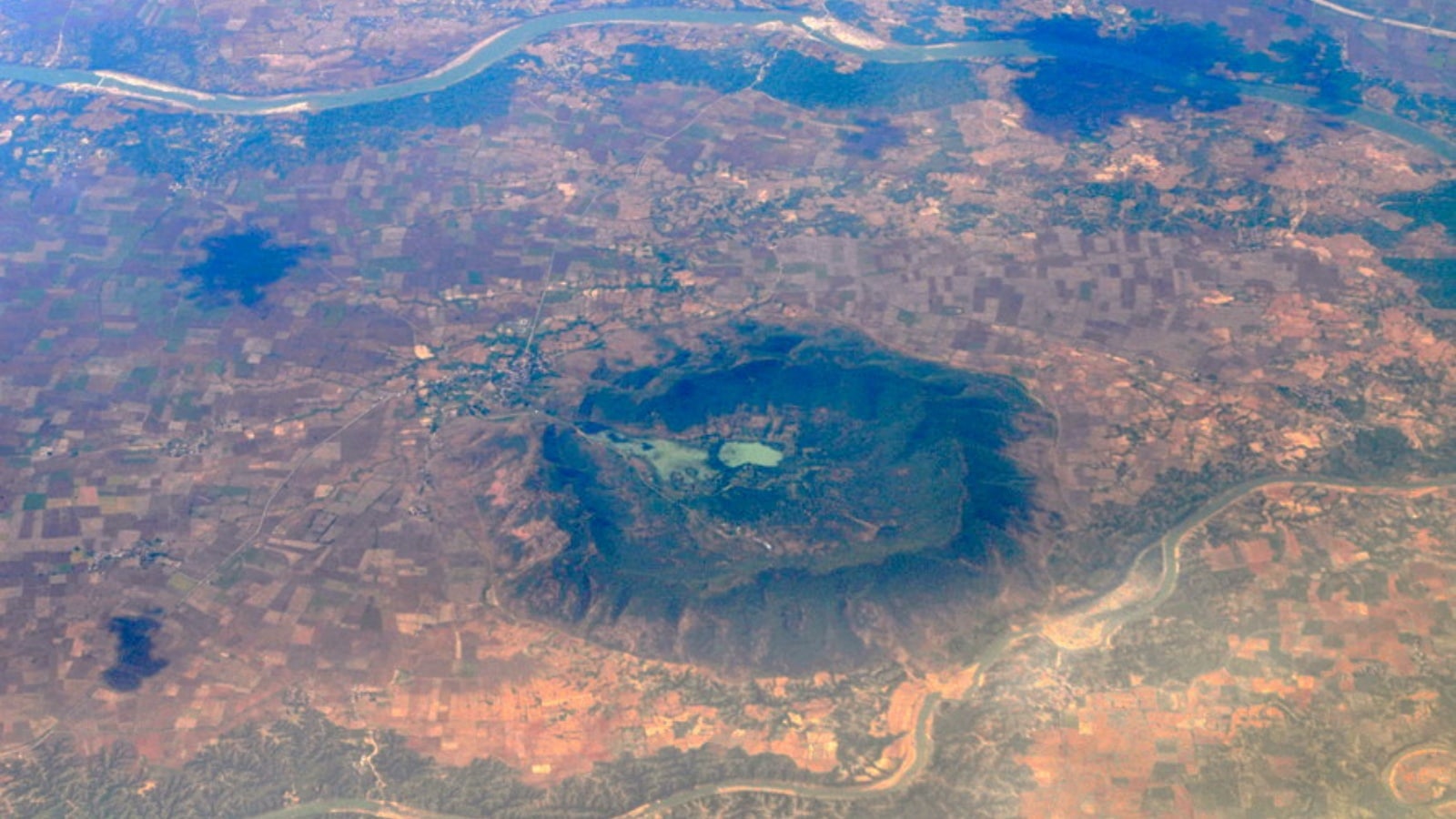 Ramgarh Crater as seen from a plane flying almost 9000ft (Photo: Wikipedia)
This is another interesting impact site. Although it is heavily eroded, geological research, including the discovery of shocked quartz and impact breccia, strongly supports that it was formed by a meteorite. Inside the old crater is a wetland system with seasonal lakes, such as Parvati Kund, which is salty and alkaline and likely remains from the original impact. Pilgrims also visit the nearby Bhand Deva Temple, making this site a unique blend of cosmic geology and cultural heritage.
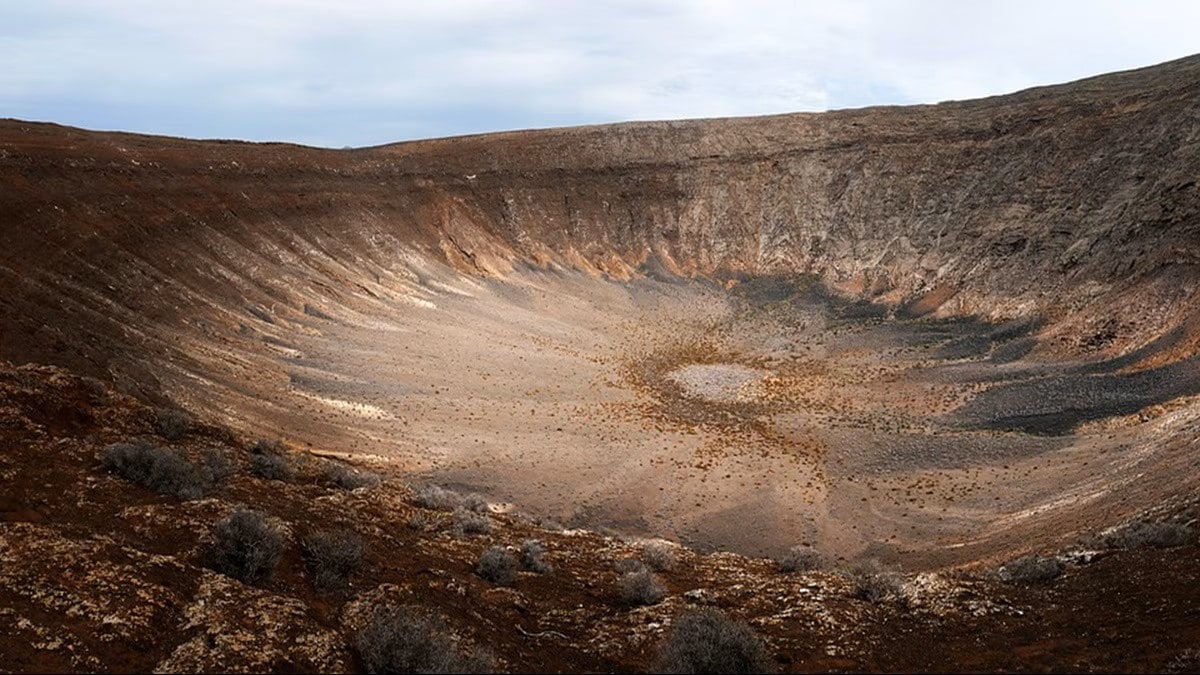 Luna Crater (Photo: Wikipedia)
Despite not being as well known as others, Luna crater in Kutch is important to scientists. It is approximately 1.2 kilometers wide, with a shallow lake at its center, covering around 1 square kilometer; however, it can dry up during the summer. Luna is especially interesting because scientists have found glassy impact fragments and high-pressure minerals, such as coesite and stishovite, which indicate that a very fast meteorite struck here. The local Luna Dham temple adds cultural significance to this scientific site.
Located near Shivpuri, Dhala crater is the largest confirmed impact structure in India, with estimates of a diameter of up to 11 km. Dating back over 2 billion years, it is one of the oldest known impact sites in Asia. However, due to its age, heavy erosion, and geological changes, it no longer has a clear, permanent lake today. Sedimentation and weathering have largely erased any obvious water body that may have existed.The crater lakes (beyond Parvati Kund) are sometimes grouped as part of “impact lakes” in popular travel lists, but many of these water bodies are shallow, ephemeral, or more akin to wetlands than stable lakes. Because of this, they are not always true “crater lakes” in the strict geological sense.