Journalism of Courage



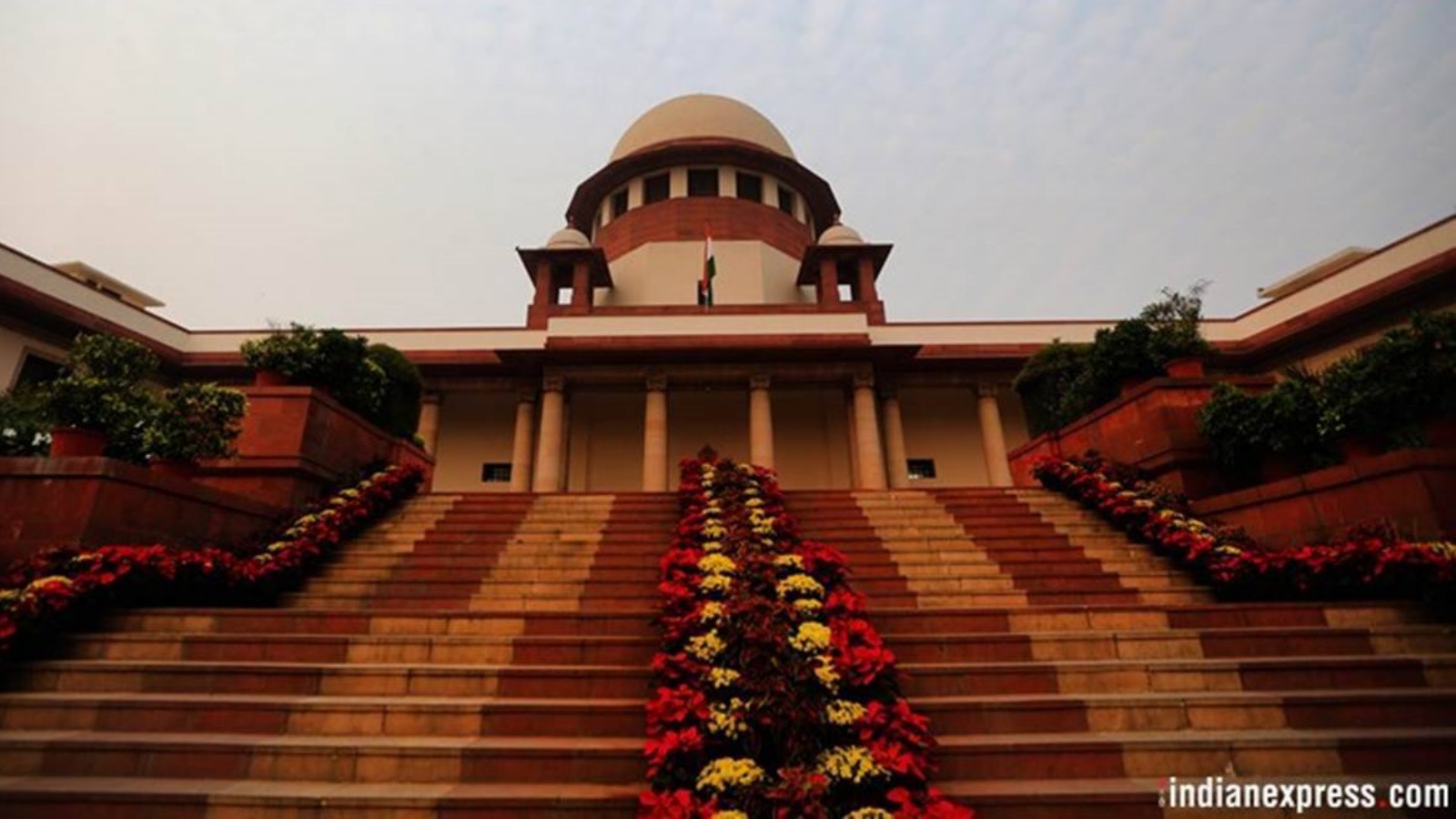 Since the case pertained to West Bengal, the bench said “we would also like to know from the Union of India what is expected of the State of West Bengal to do in these types of matters.”
The Supreme Court questioned the Centre about keeping hundreds of illegal Bangladeshi immigrants in detention camps for an indefinite period even after their conviction under the Foreigners Act, 1946.
A bench of Justices J B Pardiwala and R Mahadevan, which was hearing a suo motu case registered by the Calcutta HC and later transferred to the top court, also sought to know why the Union government was not complying with its own guideline that illegal Bangladeshi immigrants should be deported within 30 days from the date on which they are found living in an unauthorised manner in the country.
In its order on January 30, the bench said, “We would like to understand from the respondents that once an illegal immigrant from Bangladesh has been convicted for the alleged offence, is it not established that he is not a citizen of India. What is the idea in keeping hundreds of such illegal immigrants in detention camps/correctional homes for an indefinite period of time?”
“Almost 12 years have passed by” since the matter was transferred to the top court, the bench said, “but till this date there is no further progress.”
It said that when it started hearing the case, “there were almost 850 illegal immigrants detained in the correctional homes” and asked the central government to provide the figure as on date.
“How many illegal immigrants as on date are in various detention camps/correctional homes after being convicted and having undergone the entire sentence under the Foreigners Act?” it said.
The top court said that “the pivotal issue that falls for our consideration is that if an illegal immigrant from Bangladesh after being apprehended and proceeded under Section 14A(b) of the Foreigners Act, 1946 is convicted and sentenced to undergo a particular term of imprisonment then after he completes his term of sentence should be immediately repatriated/deported to his own country or should he be kept for an indefinite period in correctional homes in India. The only confusion in our mind is that once an illegal immigrant is put to trial and is held guilty then what is the requirement for further verification of his nationality at the end of the Ministry of External Affairs?”
The bench also took note of Clause 2(v) of a circular issued by the Union government dated November 25, 2009, and said, “the plain reading of Clause 2(v) indicates that the entire exercise is to be completed i.e. the exercise of deportation, verification etc. within a period of 30 days.”
“We want to know why this Clause 2(v) is not being strictly complied with,” it said.
Since the case pertained to West Bengal, the bench said “we would also like to know from the Union of India what is expected of the State of West Bengal to do in these types of matters.”
Posting the matter for hearing next on February 6, the bench said it was giving “one last opportunity” to both Centre and West Bengal government “to place their stance on record by way of an appropriate report or an affidavit explaining all the relevant aspects of the matter”.

 3 min read