Journalism of Courage



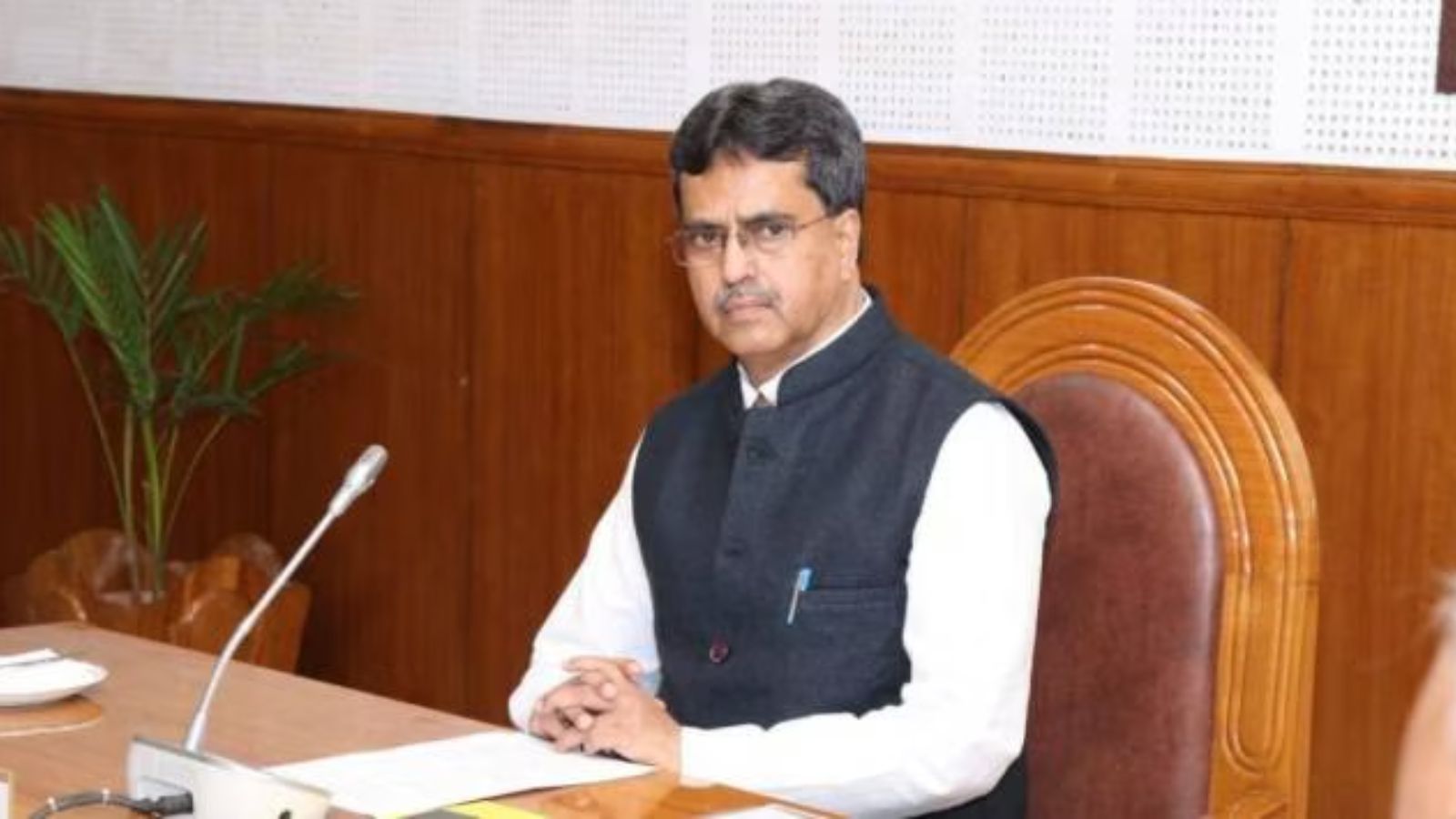 Tripura Chief Minister Manik Saha
Tripura Chief Minister Manik Saha said Sunday the three new criminal laws — Bharatiya Nyaya Sanhita (BNS), Bharatiya Nagarik Suraksha Sanhita (BNSS), and Bharatiya Sakshya Adhiniyam (BSA) — are victim-friendly, and stressed on their implementation through coordinated efforts in the state.
While speaking at a workshop on ‘New Criminal Laws and NDPS Act’ held for legal practitioners, the police, and administrative officers at Pragya Bhavan in Agartala, Saha hoped that the implementation of these three laws would improve the conviction rate in the state.
“We have seen that these are friendly Acts. To implement criminal laws, the stakeholders are required to work in coordination and benefit the common people. I urge you all to cooperate, and there must be some coordination”.
“These laws reflect a victim-friendly, technology-driven, and time-bound approach to justice delivery”, he said.
The Tripura CM said that the workshop was “a step in this direction”. “Awareness is very important. Everyone should know these laws, and for this, I think, awareness campaigns should be done vigorously,” he said.
He added, as per the new law, the victims may report crimes through electronic communication without visiting a police station.
“The FIR can be filed from anywhere, any place, in the country or across the state without being physically present in the police station and irrespective of the jurisdiction. The victims are entitled to have a free copy of their FIRs. Victims are to be updated on their cases every 90 days. Both the victims and accused must receive all relevant documents, like FIR report, police report, statement and confession within 14 days,” said Saha.
The chief minister added that statements must be recorded via audio and video means, preferably by women magistrates in rape investigations, to enhance transparency and protect the victims.
“The laws also introduced strict timelines for various stages of criminal procedures. The laws introduce community service as punishment for minor offences,” he said.
Saha said medical practitioners must submit their report within seven days, and free and emergency first aid treatment must be provided to victims of crimes against women and children in all hospitals. For serious offences, forensic experts should visit the crime scene immediately, and the process of evidence collection should be recorded on camera to prevent tampering, he added.
He said the state attended a meeting in Guwahati in March this year under the chairmanship of Union Home Minister Shah to discuss the implementation of these three laws, which came into effect from July last year, in the Northeastern states.


The Enforcement Directorate (ED) on Thursday conducted searches at 10 premises associated with the election management company I-PAC in Kolkata and Delhi. The company, founded by election-strategist-turned-politician Prashant Kishor, is currently managing election campaigns of the Mamata Banerjee-led Trinamool Congress. West Bengal will go to elections this year.
 3 min read