Journalism of Courage



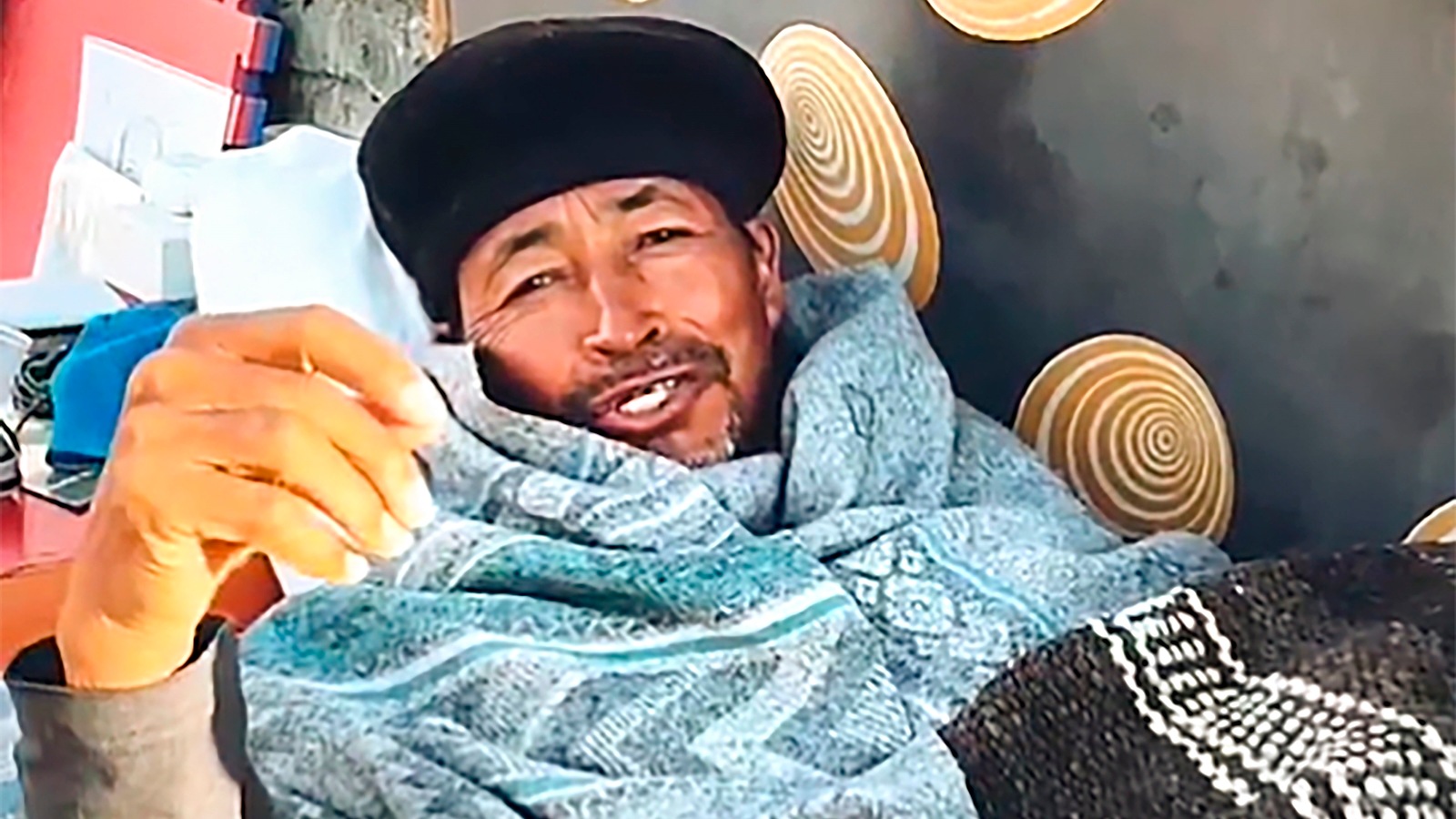 Education reformist and climate activist Sonam Wangchuk on the 21st day of his 'climate fast' during a hunger strike with others demanding statehood for Ladakh and its inclusion in the Sixth Schedule of the Constitution. (PTI Photo)
 The administration of the Union Territory of Ladakh has ordered the imposition of CrPC section 144 in Leh following a call for a people’s march towards the China border, scheduled to be held on April 7. Additionally, police have issued orders for reduction of internet speeds to 2G for 24 hours. Section 144 prohibits large assemblies of four or more people.
During his 21-day fast last month, climate activist Sonam Wangchuk had called for the people of Ladakh to join him on a border march for an “onground check” of the alleged encroachment of grazing land at the India-China border. “10,000 Ladakhis will march to the borders,” he said.
Explaining the reasons for the march, Wangchuk said, “On one hand, they (Ladakhis) are losing land to Indian corporates… roughly 150,000 square kilometres of prime pasture land. And on the other hand, they are losing pasture land to China, which is encroaching from the North and has captured huge chunks of Indian land in the last five years.”
He added that Wangchuk nomadic leaders, who he will march with, “will show us how far they used to go grazing earlier and where they have to stop now”.
The Leh District Magistrate, while imposing section 144, cited “reliable inputs/apprehensions of breach of peace and public tranquillity in the district” and the need to prevent “danger to human life”.
With Section 144 in effect ahead of Sunday’s march, no procession/rally/march can be taken out “without the prior approval of the District Magistrate, Leh, in writing”. Additionally, no one is allowed to use loudspeakers without prior approval.
“No one shall make any statements which have the potential to disturb communal harmony, public tranquillity and which may lead to law and order problems in the district,” the order states.
The magistrate’s order also mentions the model code of conduct being in place in Ladakh.
The police also underscored the “emergent security scenario” in Leh, stating that there is “every apprehension of possible misuse of mobile data services by anti-social elements and miscreants to incite/provoke the general public” through various means of social media posts.
Shiv Darshan Singh, Additional Director General of Police, Ladakh has sought to reduce mobile data services up to 2G, “thereby suspending the mobile data of 3G, 4G, 5G and public WiFi facilities temporarily in the interest of maintenance of public peace”.
This comes into effect for 24 hours starting 6 pm on Saturday.


A day after his derogatory comments on women and female co-stars, Telugu actor Sivaji has now apologized for the same. In a video on X, he claimed he used two “unparliamentary” words “inadvertently” during his speech at an event of the film Dhandora on Monday. His apology comes hours after the Telangana State Commission for Women on Tuesday summoned him to appear before it on Saturday.
 3 min read