


Stay updated with the latest - Click here to follow us on Instagram
© IE Online Media Services Pvt Ltd
Tags:


Jallianwala Bagh Massacre that took place on April 13, 1919 is perhaps one of the pitch darkest moments in the entire timeline of British colonial rule in India when general Reginald Dyer and his troops enclosed, surrounded and opened fire at a peaceful crowd of defenseless people attending a meeting on the day of Baisakhi at Jallianwala bagh in Amritsar. According the unofficial sources, more than a thousand died that day, even though official records claim that the number was 379 dead and 192 wounded. In its aftermath, this ghastly, cold-blooded mass murder became a critical juncture in the resistance against British imperialists, which helped push the anti-colonial struggle in India towards its crescendo.
One of India’s most distinguished poets and a freedom revolutionary, Allahabad-born Subhadra Kumari Chauhan, who is best remembered for her popular poem “Jhansi ki Rani”, was alive at that time and sorrowfully penned “Jallianwala Bagh mein Vasant”. Chauhan’s fiery words, which have been a part of many curriculums, never fail to make us recall our childhoods and evoke what bravery, fortitude, sacrifice and tragedy in the freedom struggle was like.


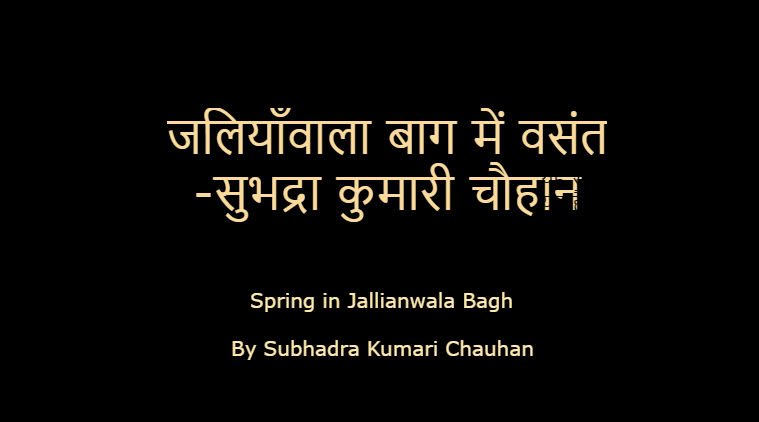

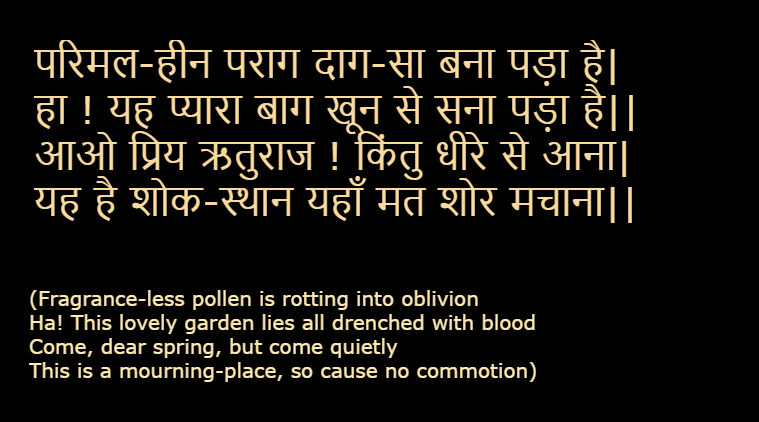

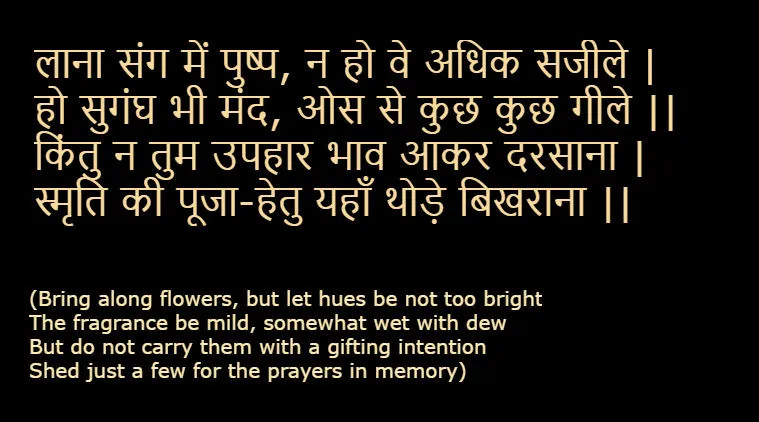

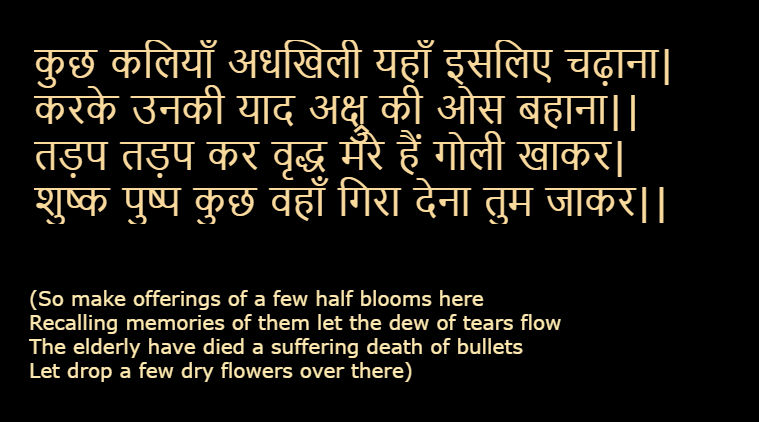
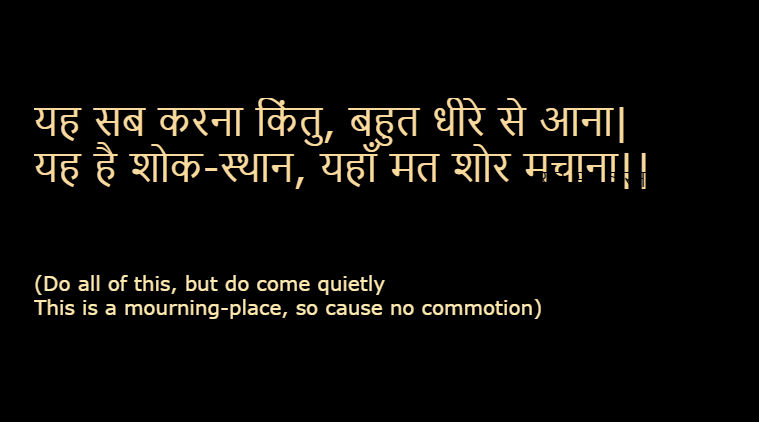
Watch | Swanand Kirkire recites Subhadra Kumari Chauhan’s poem “Jallianwala Bagh mein vasant”


Stay updated with the latest - Click here to follow us on Instagram


