Declaring they will not participate in any court-ordered committee process, the All India Kisan Sangharsh Coordination Committee has said the members of the committee named by the apex court “are people who are known for their support to the three Acts and have actively advocated for the same”.
There’s good reason why.

All four members have publicly been in favour of the farm laws and none of them has supported the demands for repealing them. Three of the four believe the protesting farmers are misguided; they are unanimous in their view that the farm laws will benefit the farmers immensely.
The fourth member — Bhupinder Singh Mann — believes farmer interests should be protected and, as such, is in favour of the amendments that the government has already acceded to such as a written guarantee that MSPs would not be phased out. On the other end of the spectrum, another member — Anil Ghanwat — wants amendments which further liberalise farm trade.
There is no voice in the panel for the kind of reservations against the farm laws that the protesting farmers are raising. But between the four of them, the panel members bring several decades of experience, either as agricultural economists or farmer leaders.
Farmers watch the news as the Supreme Court of India pronounces its judgment on the farm laws, at Singhu Border in New Delhi (Express photo by Abhinav Saha)
As Mann told The Indian Express,now that they have been appointed to the panel by the apex court, they would be impartial in their conduct.
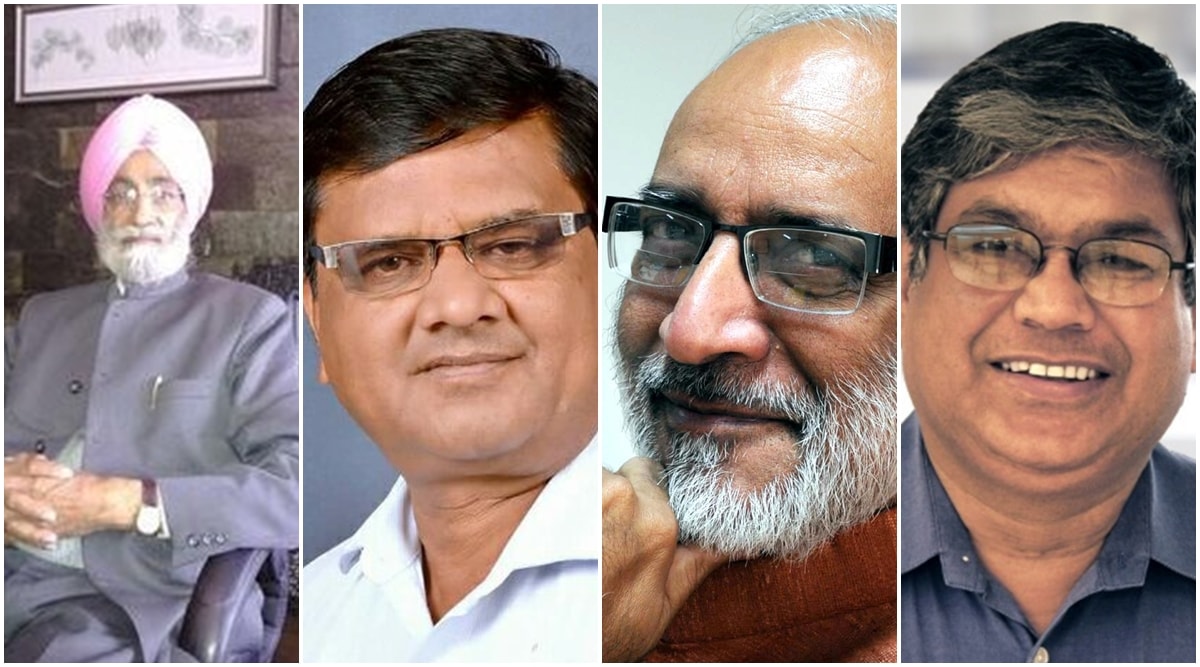
Here’s a look at the four members that form the expert panel.
Ashok Gulati
Gulati, Infosys Chair Professor for Agriculture at the Indian Council for Research on International Economic Relations (ICRIER), was, between 2011 and 2014, Chairman of the Commission for Agricultural Costs and Prices (CACP), which advises the Government of India on the agriculture price policy (read Minimum Support Prices or MSPs) across several crops. In 2015, Gulati received the Padma Shri for his contributions as an agricultural economist.
Story continues below this ad
Gulati has been a long-time proponent of liberalising Indian agriculture and has wholeheartedly welcomed the three farm laws in question, designating them as the “1991 moment for agriculture”. He believes that the farm laws will not only provide greater choice to farmers but also help them earn better returns. For consumers, the laws will lead to lower prices with fewer fluctuations. The laws will also lead to making agri-value chains more efficient.
These laws, Gulati points out, are not at all different from what the Congress promised in the 2019 election manifesto and that the opposition to them exhibits a “deep distrust of the private sector and markets.”
He believes there has been “a gross communication failure on the part of the central government to explain to farmers what these laws are, and how they are intended to benefit them”, and that detractors of PM Modi have exploited this gap to mislead the protesting farmers.
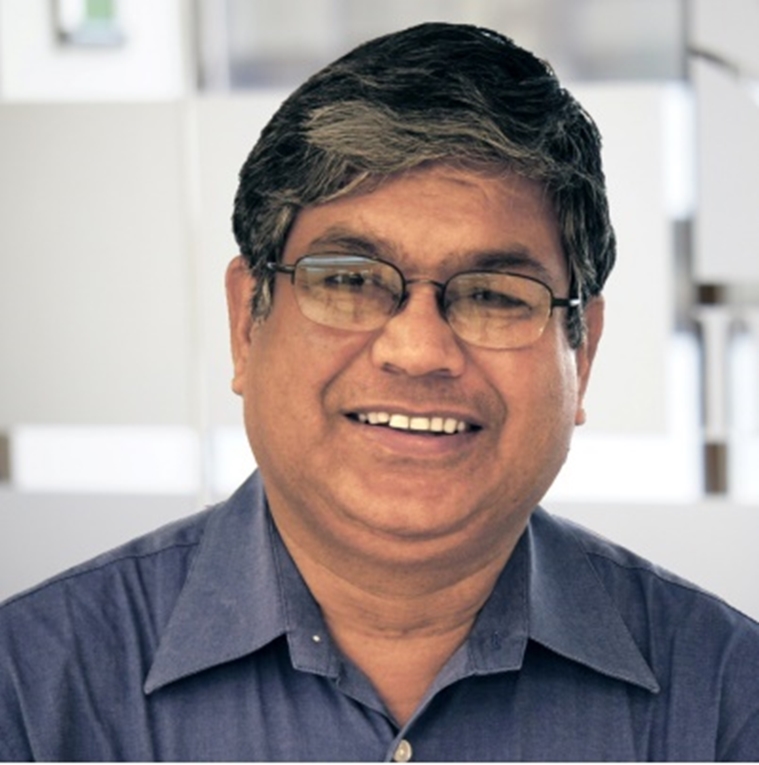
Pramod Kumar Joshi
Dr Pramod Kumar Joshi.
Joshi has served as director of the National Academy of Agricultural Research Management, Hyderabad and as director of the National Centre for Agricultural Economics and Policy Research, New Delhi.
Story continues below this ad
His research areas include technology policy, market, and institutional economics.
Joshi, too, is a strong supporter of the recently introduced farm laws. In a piece in The Financial Express last December, he believes that “any dilution in the farm laws will constrain Indian agriculture in harnessing the emerging global opportunities.” Joshi finds it “regrettable that the farmers’ agitation has not yet been resolved, despite the Centre’s positive response on considering genuine demands”.
Like Gulati, he also believes that talks between farmers and Centre have failed because “some activists and political elements have hijacked the agitation by colouring the farm laws with a distorted narrative.”
Anil Ghanwat
Ghanwat, 61, is the President of Shetkari Sanghatana — a Maharashtra-based farmers group which lobbies in favour of farmers getting greater access to markets.
Story continues below this ad
Shetkari Sanghatana was founded in 1979 by Late Sharad Joshi to demand “freedom of access to markets and to technology” for the Indian farmers. Ghanwat has been with the Sanghatana since 1982 and been central to several agitations that either opposed government monopoly or supported liberalisation of farm trade and the entry of MNCs into India.
Ghanwat, a BSc in agriculture, is also supportive of the farm laws. Speaking to The Indian Express Tuesday, he said: “We have supported these laws because it is a step in the right direction. We have been fighting for more liberalisation in agriculture for over 40 years and this is the first government since Independence that has done anything about it.”
However, Ghanwat wants the government to go even further and remove any chance of the Essential Commodities Act being invoked at all. It is important to note that this is exactly the opposite of what the protesting farmers want.
Bhupinder Singh Mann
Mann, 82, is a former member of the Rajya Sabha and the current president of the All India Kisan Coordination Committee (AIKCC), which, too, was founded by Sharad Joshi. He is also the head of the Bhartiya Kisan Union.
Story continues below this ad
The AIKCC, which is an umbrella organisation of several farmer associations across the country, had met with the Union Agriculture Minister Narendra Singh Tomar in December and expressed their support in favour of the farm laws. However, the AIKCC representatives also were of the view that the government could make some amendments.
AIKCC’s position is that these reforms will make Indian agriculture competitive but the government should bring in safeguards to protect the interests of the farmers.
The key changes reportedly demanded by the AIKCC include farmers having judicial recourse instead of the local bureaucracy being the final arbiter. They also want a written guarantee from the government on the issue of MSP. However, most of the protesting farmers are not satisfied with this demand and want the MSP guarantee to be written into law.
(with Rakhi Jagga)


 7 min read



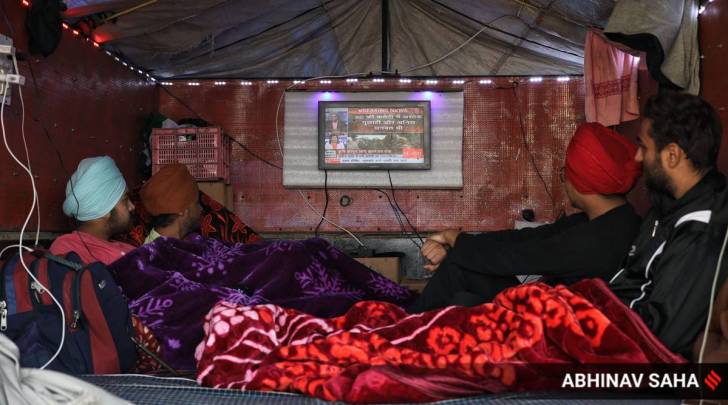 Farmers watch the news as the Supreme Court of India pronounces its judgment on the farm laws, at Singhu Border in New Delhi (Express photo by Abhinav Saha)
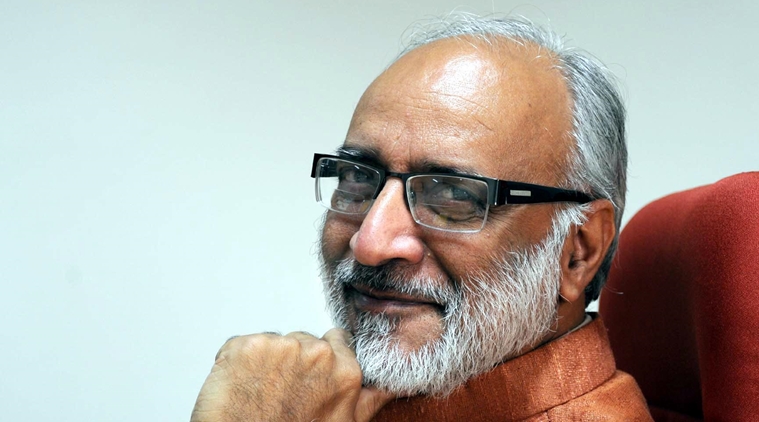 Dr. Ashok Gulati is currently IFPRI Director in Asia based in IFPRI’s New
  Dr Pramod Kumar Joshi.
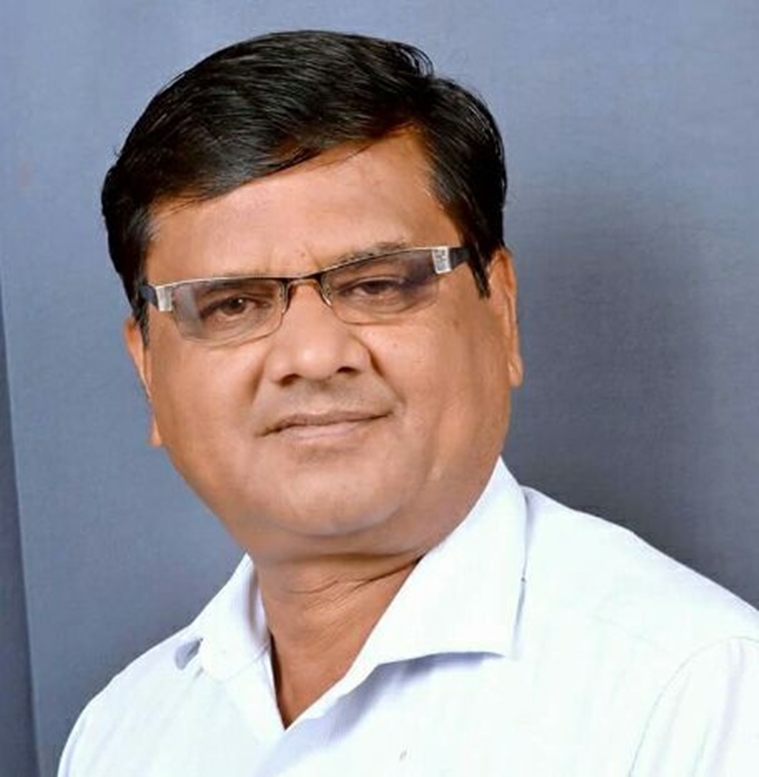 Shetkari Sanghatana president Anil Ghanwat. (Source: FB/AnilGhatwat)
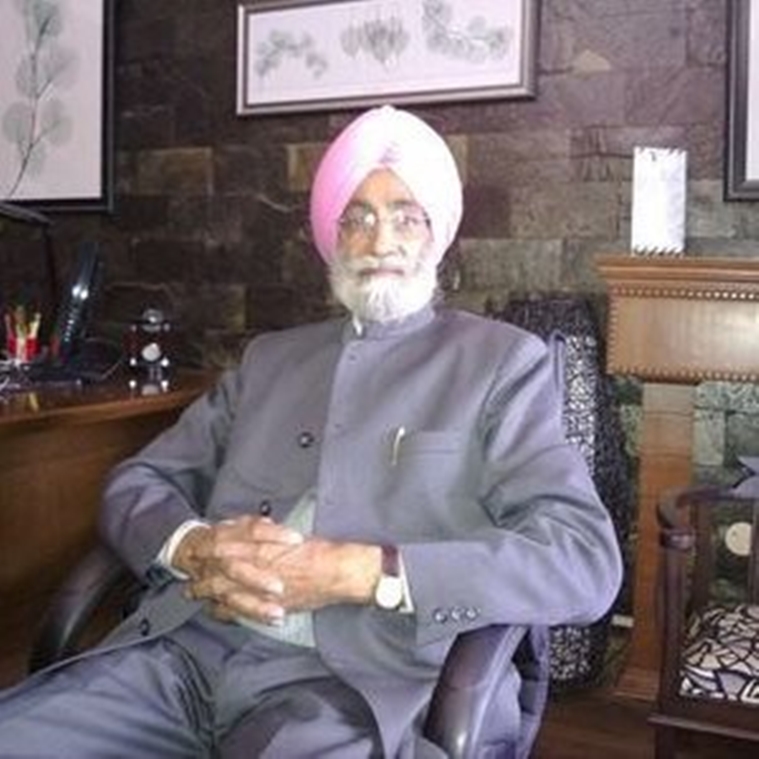 BKU president Bhupinder Singh Mann. (Twitter/bsmann_bku)