Journalism of Courage



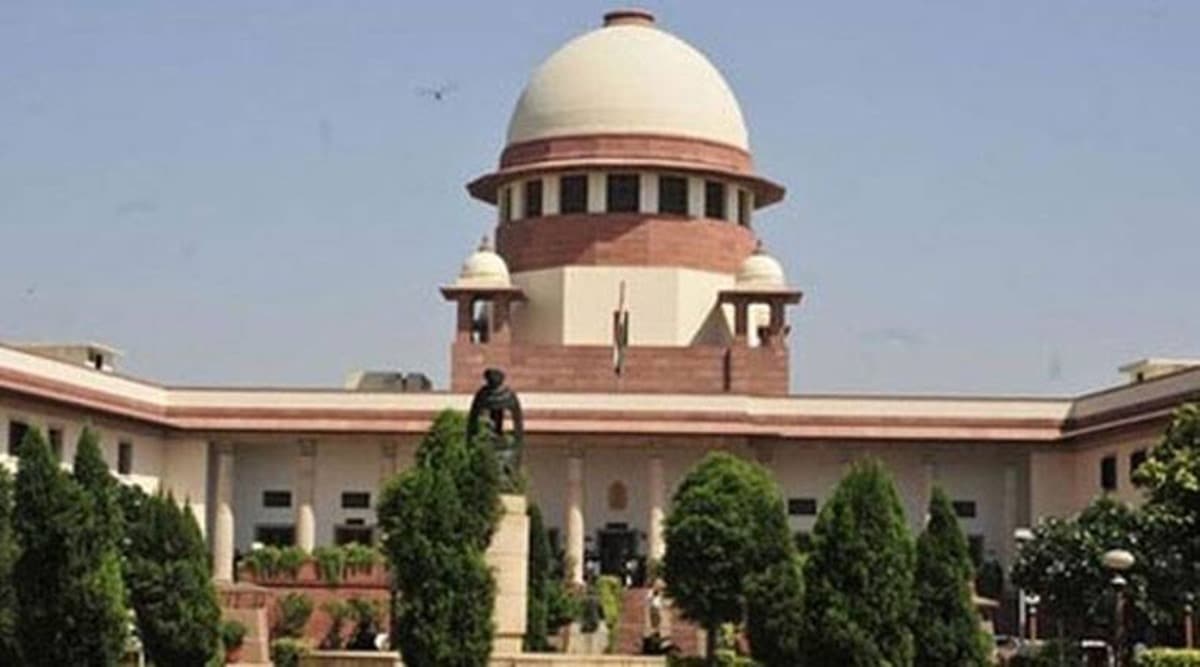 The state government had approached the court against the order of the Chhattisgarh High Court rejecting its petition for directions to examine expert witnesses. (File)
A three-judge bench of the Supreme Court Wednesday referred to a Constitution Bench the question whether states have the power to exceed the 50 per cent reservation limit. The 50 per cent ceiling was set by a nine-judge bench of the Supreme Court in its landmark 1992 ruling on Indra Sawhney vs Union of India, which most call the Mandal Commission case.
Wednesday’s reference means the question will have to be answered by at least an 11-judge bench. The reference was made by the bench of Justices L Nageswara Rao, Hemant Gupta and S Ravindra Bhat.
Ruling on petitions challenging the Maharashtra law providing reservation to Marathas in jobs and admission to medical and dental institutions, the bench said the reservation law will not apply to the year 2020-2021. It, however, clarified that it will not affect admissions already made to post-graduate courses. It was hearing petitions against the June 27, 2019 order of the Bombay High Court which upheld the constitutional validity of the Maharashtra State Reservation (of seats for admission in educational institutions in the State and for appointments in the public services and posts under the State) for Socially and Educationally Backward Classes (SEBC) Act, 2018.
The law, enacted during the rule of the Devendra Fadnavis-led BJP government, provided a 16 per cent quota to the Maratha community in the matter of jobs and admissions.
The High Court, while upholding the law, said 16 per cent reservation was not justifiable and that it should not exceed 12 per cent in education and 13 per cent in jobs, as recommended by the Maharashtra State Backward Class Commission (MSBCC).
The High Court had said that the “50% limit of reservation can be crossed subject to availability of quantifiable and contemporaneous data reflecting backwardness, inadequacy of representation and without affecting the efficiency in administration”.
The petitioners argued that the quota would breach the 50 per cent ceiling set by the Supreme Court in its ruling on the Indra Sawhney vs Union of India case.
Senior advocates Mukul Rohatgi, AM Singhvi and Kapil Sibal, appearing for different sides, sought a reference to a Constitution Bench where petitions against quota for the economically weaker sections are also pending.

 2 min read