Journalism of Courage



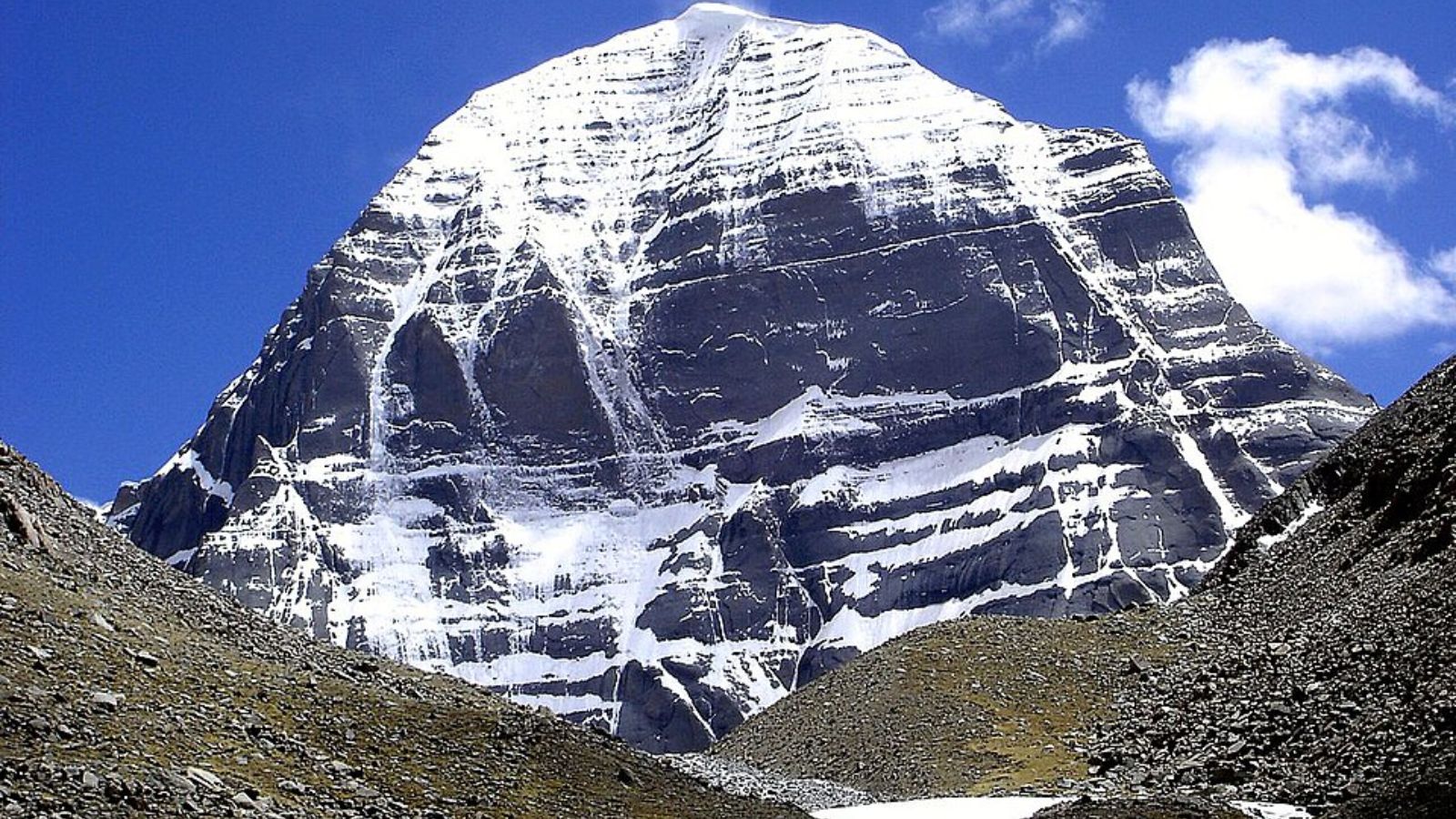 The Ministry of External Affairs had earlier announced that this year, 5,561 applicants had registered online for the Kailash Mansarovar yatra — 4,024 men and 1,537 women — and 750 were selected. (Credit: Wikimedia Commons)
The first group of pilgrims for the Kailash Mansarovar Yatra, who will take the Lipulekh route, left on Saturday from the tourist guest house in Tanakpur. The 45 pilgrims embarked on the pilgrimage after a five-year hiatus.
The Ministry of External Affairs had earlier announced that this year, 5,561 applicants had registered online — 4,024 men and 1,537 women — and 750 were selected.
They are to be dispatched in five batches of 50 yatris (pilgrims), including two liaison officers, per batch via the Lipulekh route, and 10 batches of 50 yatris each via the Nathu La route through Sikkim. While the Mansarovar lake is at an elevation of 4,600 metres, Mount Kailash, lying adjacent, is 6,638 metres high.
Uttarakhand CM Pushkar Singh Dhami flagged off the first batch with 32 men and 13 women.
The pilgrimage to the two centres of faith in China’s Tibet Autonomous Region was initially suspended in 2020 because of the pandemic and went on hold after the military standoff between India and China.
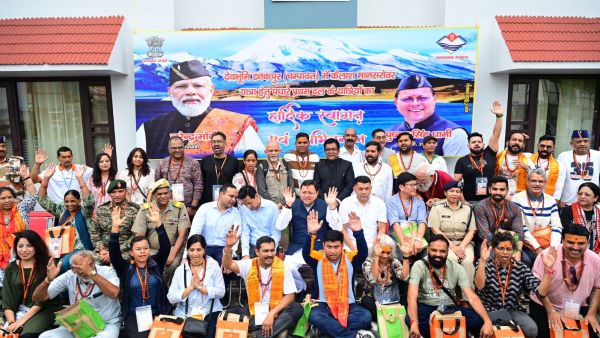 Uttarakhand CM Pushkar Singh Dhami flagged off the first batch with 32 men and 13 women. (Express Photo)
The yatra on the Uttarakhand side is facilitated by Kumaon Mandal Vikas Nigam. The agency provides transport, accommodation, and food from Delhi to Lipulekh, after which pilgrims are handed over to the officials in China. The yatris are later taken back to Delhi after the trip is completed.
The District Tourism Development Officer, Pithoragarh, Kirti Arya, stated that the first batch of pilgrims comprises individuals from 11 states, with the most from Gujarat. “The Lipulekh route dates back to 1981 and is the oldest. The trekking distance on the Indian side has been reduced from 27 km in 2019 to one kilometre this year, and motorable roads have been built to connect the countries. The yatris will initially stay in Dharchula on Saturday and Gunji, bordering Nepal and Tibet, for two nights to help them acclimatise to the weather. On July 8 and 9, they will stay at Nabidhang and leave for Lipulekh on July 10. The next seven days will be spent in Tibet’s Taklakot (Barung), and the yatris will undertake the pilgrimage to Mount Kailash and Mansarovar. The batch will return on July 18 to Lipulekh,” he said.
Doctors have been deployed on the border to ensure the safety of the yatris, who require a passport and are sent after a medical test to check their fitness.
The negotiations between the two countries to facilitate the yatra were revived after Foreign Secretary Vikram Misri visited China, where the two countries agreed in principle to resume it. The resumption of the yatra was officially discussed for the first time when External Affairs Minister S Jaishankar met Chinese Foreign Minister Wang Yi in November 2024 and later at Special Representatives’ meeting in Beijing between National Security Advisor Ajit Doval and Wang Yi in December 2024.

 3 min read