


Stay updated with the latest - Click here to follow us on Instagram
Tags:


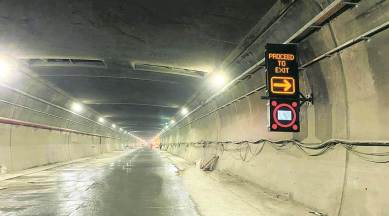
The high mountain passes in Himachal Pradesh and Ladakh have been cleared of snow and opened for vehicular traffic much ahead of the schedule this summer, leading to early connectivity for remote areas of the state.
The Manali-Leh road having four important passes was recently opened, more than one and a half months ahead of schedule. It usually opens in May or June after remaining blocked with snow for more than six months. But this time, the Border Roads Organisation (BRO) declared it open on March 28 after having cleared snow on Baralachla (16,047 feet), Nakeela (16,170 ft), Lachungla (16,616 ft) and Tanglangla (17,582 ft). However, due to snowfall at Baralachla last week, the route has again been closed for a few days, with some people stuck on both sides of the pass.


The Kunzum Pass (4,551 metres) connecting Lahaul and Spiti valleys, which is also usually opened in May or June, has also been cleared of snow and is now open from the side of Kaza but cannot be accessed from the side of Gramphu as parts of the road are still blocked.
Snow clearing at other major passes in the state is carried out by the public works department.
In another early reopening, the Chanshal Pass which connects the region of Dodra-Kwar to Chirgaon in Shimla district and was blocked with snow in late November has been cleared for traffic a few days ago. “Dodra-Kwar remains cut-off from the rest of the state during winters. But with decreasing snowfall and better snow-cutting machinery over the years, it has been reopening sooner,” said an area resident.
Meanwhile in Chamba district, the Sach Pass located at an altitude of about 4,400 metres above the sea level, is still closed. It reopened in June last year but is expected to be clear of snow much earlier this year. Area residents said that snow has been cleared upto Satrundi and only a seven-kilometre stretch now remains blocked. The Sach Pass connects the Pangi valley to the rest of Chamba.
Winter precipitation in Himachal this winter was nearly 70 per cent less than normal this year, leading to failure of rabi crops and early drying up of water sources.
Stay updated with the latest - Click here to follow us on Instagram


