


Stay updated with the latest - Click here to follow us on Instagram
© The Indian Express Pvt Ltd
Tags:


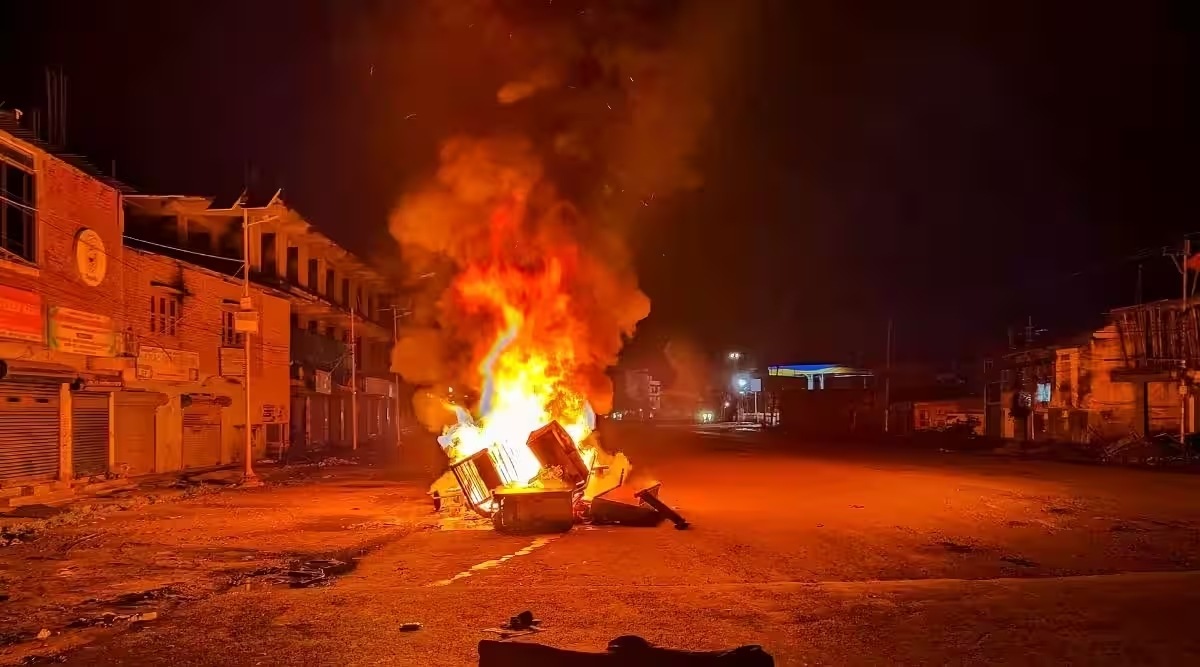
WITH SCORES of bodies lying unclaimed in morgues across Manipur, which has been embroiled in ethnic strife since the beginning of May, a three-member committee of former judges constituted by the Supreme Court has advised that the state government publish a list of the dead so that their next of kin can be identified, and if no one comes forward, dispose of the bodies in a “respectable manner”.
In a statement last week, the Manipur police disclosed that 96 bodies continue to remain unclaimed in the morgues. Since the police have placed the number of those killed at 175, this suggests that more than half of the dead are yet to be put to rest.


According to the affidavit, among the suggestions made by the committee is that the state government publish and circulate the list of people who have died in the conflict and make efforts to “expeditiously identify the next of kin”, ensuring that they receive the stipulated ex gratia payment. In the event that this effort does not bear fruit, the committee has advised that district collectors identify appropriate areas and “dispose of the bodies in a respectable manner”.
The suggestion was made by the committee in its ninth meeting held on September 8.
“The state government is coordinating with the three-judge committee closely on the said issue as it is a sensitive issue and requires to be tackled delicately,” states the affidavit.
The question of claiming and disposal of the bodies has been one of the most sensitive and contentious issues in the ongoing conflict. Nearly five months into the conflict, the bodies of many of those killed in the first few days of violence are among those which continue to remain unclaimed in three key mortuaries in the state — JNIMS and RIMS in Imphal, and the Churachandpur District Hospital.
This is largely because families of one community have been unable to visit hospitals in areas dominated by the other community to identify and claim the bodies. While Meiteis are in majority in Imphal and the valley areas, Kukis dominate the hills.
Also, although 35 of the bodies in the morgue in Churachandpur as of August 3 are of people from the Kuki-Zomi community who are dominant in the area, the Indigenous Tribal Leaders’ Forum (ITLF) had directed the families to not claim the bodies, with the stated objective of pressuring the government to transport bodies lying in morgues in Imphal to their home areas. The leaders have stated that they wanted to hold a common ceremony for all the dead from the community and give them “honourable last rites”.
This issue became a major flashpoint last month when the ITLF announced that it would conduct a burial of those 35 bodies in Torbung, an area in the Kuki-Zomi dominated Churachandpur district, bordering the Meitei-dominated Bishnupur district.
The Ministry of Home Affairs had to intervene to ask them to re-consider the programme, which was scheduled for August. Although the ITLF called it off on the morning of August 5, tensions were already set off, resulting in an escalation of the conflict in Bishnupur and Churachandpur districts.


Stay updated with the latest - Click here to follow us on Instagram


