6 min read
© IE Online Media Services Pvt Ltd



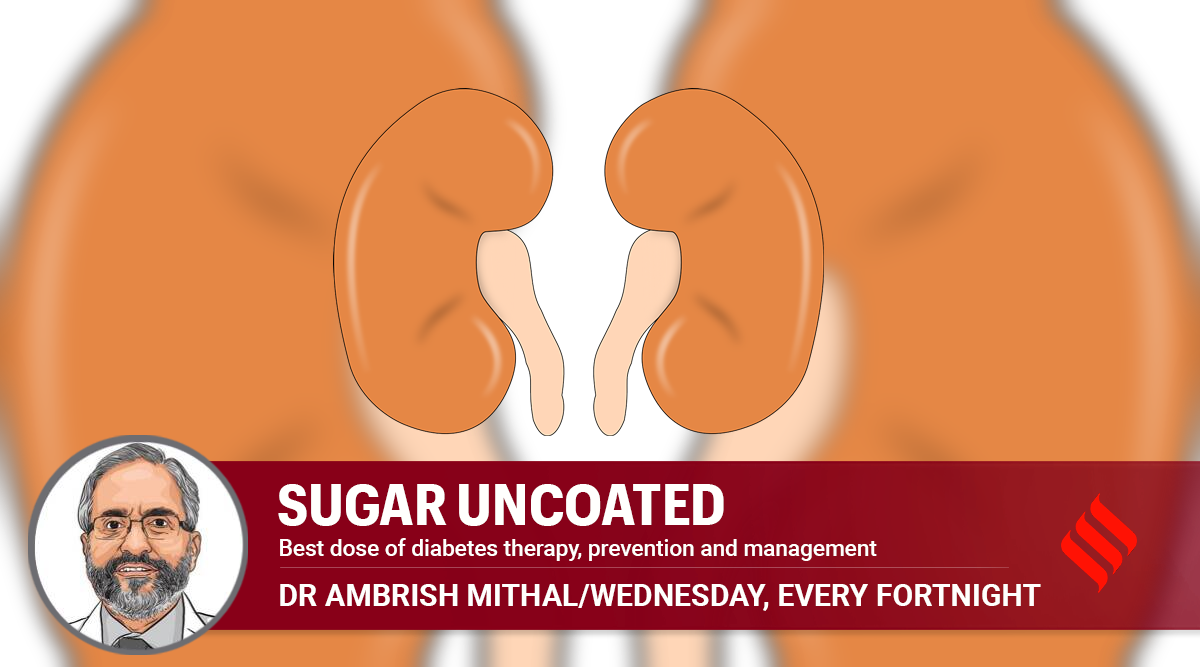 One of the chief effects of diabetes is injury to small blood vessels. (Pic source: Pixabay)
 The diagnosis of diabetes invariably raises concerns about long-term complications involving various body organs. By far, the complications most feared by my patients are related to the kidney – images of dialysis machines and transplant surgeries flash across their eyes. This is especially true of those who have seen these modalities being used for their family or friends.
More than one third of people with diabetes face kidney complications. Often, they do not feel anything unusual in the early stages, since uncontrolled sugar does not produce any symptoms on its own. But prolonged elevations of blood sugar, especially if accompanied by high blood pressure, slowly and silently corrode your kidneys. By the time typical features associated with kidney disease like water retention/swelling are discernible, the kidneys are already impacted significantly.
An early diagnosis can be made by blood and urine tests. The earliest sign is increased protein in the urine, which can precede kidney failure by years and must be checked yearly at the very least. The availability of instant testing for urine albumin/creatinine ratio is a major step forward in this area. These tests can be done on the spot in doctors’ clinics or hospitals. Later, as the blood levels of urea and creatinine start creeping up, symptoms start appearing. These include nausea, vomiting, loss of appetite, weakness/anaemia, itching and muscle cramps. A reduction in requirement of anti-diabetes medication or unexpected hypoglycemia (drop in blood sugar) on usual medicines is sometimes a clue to kidney involvement. The patient may feel happy that his medication requirement is decreasing but in reality it can sometimes reflect a worsening kidney condition.
Why do kidneys get affected by uncontrolled diabetes?
One of the chief effects of diabetes is injury to small blood vessels. The tiny arteries that flush our kidneys and allow toxic dirt to be expelled while retaining nourishing fluids and electrolytes can get choked in diabetes. This reduces the ability of kidneys to throw out waste, which then accumulates in our body with water and salt. At the same time kidneys start leaking protein. Nerve involvement is also common in diabetes: this leads to weak bladder muscles, urine accumulation, back flow and frequent infections. Repeated infections also damage kidneys, at times irreversibly.
Diabetes and high blood pressure usually go hand in hand. High blood pressure is central to diabetes-related kidney complications and as dangerous as uncontrolled blood sugar. Smoking is a major risk factor, and a family history of diabetic kidney disease also makes one more prone.
What can people with diabetes do to protect their kidneys?
Achieving the right targets for blood sugar and pressure is crucial to this. Typically, an HbA1c (that reflects the level of diabetes control for the preceding three months) should be at or below 7 per cent, though this can vary based on the age, duration of diabetes and presence of complications. Getting an HbA1c tested every three months is important for people with diabetes. Blood pressure should be below 130/80, in no case above 140/90. Good control from the start can ensure we do not face small-vessel complications such as those of eyes and kidneys. Apart from managing blood sugar and pressure from the very beginning, treating intercurrent infections of the urinary tract is essential, since infections may be a reversible cause of declining kidney function.
An important factor in accelerating kidney damage is unregulated use of painkillers in India. These are poison for kidneys and their use should be restricted to unavoidable situations. Giving up smoking is mandatory. Use of blood pressure-lowering drugs that protect kidneys from damage, like ACE inhibitors (the ‘prils’) and ARBs (the ‘sartans’) and now the new anti-diabetics like empa- dapa- or canagliflozin, which protect not just the kidneys, but also the heart, is recommended. These new anti-diabetics have changed our approach to preventing and treating kidney disease in diabetes. Use of alternative therapies is dangerous, especially since some may contain heavy metals that are toxic for kidneys.
What about dietary interventions?
Planning a diet for patients with diabetes and kidney disease requires consultation with a nutritionist. Fresh, home-made food is preferable to processed or restaurant food. Most Indian patients do not require protein restriction as our protein intake is already low. Restricting proteins will only encourage muscle breakdown. Reduction of salt—and at times fluid—intake is important, but the modern trend of using low-sodium salt is dangerous as many such salts are potassium-based. Potassium-rich food like fruit juices, coconut water, potatoes and tomatoes may have to be avoided. Phosphorus also tends to accumulate if the kidneys are not functioning well and can have toxic effects. Dairy, beans, nuts, colas and most packaged foods are high in phosphorus and should not be consumed. Needless to say, regular exercise and adequate sleep also go a long way in controlling diabetes and preventing its sinister complications.
Preventing or delaying kidney involvement in diabetes is possible, if you follow these basics from the beginning. In case the disease reaches an advanced stage, where kidney function is reduced to 10-15 per cent, you may need dialysis or a transplant. Dialysis has become much more convenient for patients nowadays, and many can continue it for years while maintaining a good quality of life. Renal transplant, too, is now much more widely available in India, with excellent results. With these advances becoming more accessible to the public, the outcomes of end-stage renal disease have improved considerably. However, the age-old dictum of ‘prevention is better than cure’ still stands.