© The Indian Express Pvt Ltd
 4 min read


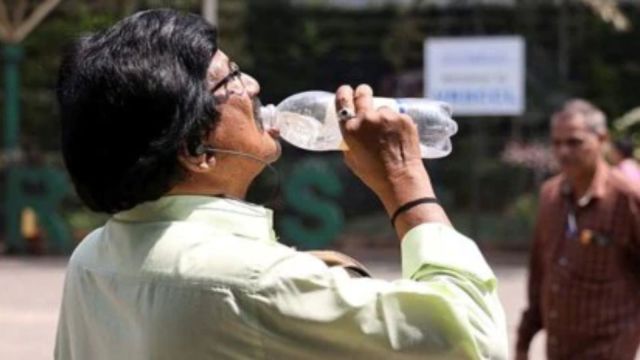 Electrolytes are minerals that help maintain fluid balance and prevent dehydration, especially in extreme heat. (Express Photo)
Staying hydrated is crucial, especially in extreme heat conditions like 50°C (122°F), and different age groups have specific needs and considerations. The human body requires at least 4-6 litres of fluids per day in such weather, more if active. Did you know that if you lose even 10 per cent of the water your body has, you can easily slip into serious clinical dehydration?
You need to hydrate yourself even in air-conditioned environs because the AC sucks any moisture inside a room, even from your skin, to bring down humidity and cool you. Drink water consistently throughout the day, preferably on the hour, not just when feeling thirsty, as thirst is a late indicator of dehydration. Drink water as soon as you wake up as that’s the time your body is dehydrated the most. But more than water, it’s critical to balance fluid intake with electrolytes, which are lost through sweat.
Electrolytes are minerals that help maintain fluid balance and prevent dehydration, especially in extreme heat. Key electrolytes include sodium, which helps maintain fluid balance and nerve function, found in table salt and sports drinks; potassium, which regulates fluid balance, muscle contractions, and nerve signals, available in bananas, oranges, and spinach; calcium, essential for muscle function and bone health, found in dairy products and leafy greens; magnesium, supporting muscle and nerve function and energy production, found in nuts and green leafy vegetables; and chloride, which works with sodium to maintain fluid balance, found in table salt and tomatoes.
Combining water with herbal teas, milk and natural fruit juices can enhance hydration. Limit the intake of diuretics such as caffeine and alcohol, as they can increase urine output and contribute to dehydration.
At home, try buttermilk. With its high water content and electrolytes like potassium, buttermilk easily replenishes fluids lost through sweating.
Coconut water is naturally low in sugar and contains a variety of electrolytes, including sodium, potassium, calcium and magnesium. A cup yields 46 calories and is any day a healthier alternative to sodas, juices and traditional sports drinks.
Similarly, a cup of watermelon juice gives almost six per cent of the Daily Value (DV) for potassium and magnesium while offering small amounts of other electrolytes like calcium and phosphorus. Moreover, this one is a high-energy vitamin shot.
Monitor urine colour. Pale yellow indicates proper hydration and darker urine is a sign of dehydration. Look for dry mouth, fatigue and dizziness. The skin might feel inflamed and itchy.
Children should be encouraged to drink small amounts of water frequently. If plain water is unappealing, infuse them with natural flavours like fruit juice or fruit itself. Give them water-rich fruits and vegetables, such as watermelon and cucumber, as in-between snacks.
They should aim for at least 10 glasses of water daily. Drink electrolyte-enriched fluids in high heat or after intense physical activity.
For the elderly, an app tracker or a regular reminder to drink water are important, as they may not feel thirsty as often. Keeping water within easy reach and encouraging regular sips throughout the day, along with including broths, soups and other hydrating beverages, can ensure they stay hydrated.
Drinking cooler fluids can help lower body temperature, and using hydration packs or bottles with built-in filters can ensure clean water intake. Drink water before exposure to high temperatures. Always carry a water bottle and incorporating water-rich foods like cucumbers and strawberries into the diet.
Here’s a caveat. Certain conditions like thyroid disease or kidney, liver, or heart problems make it possible for some people to have too much water, while some antidepressants and non-steroidal anti-inflammatory drugs (NSAIDs) make people retain water.