© The Indian Express Pvt Ltd
 3 min read


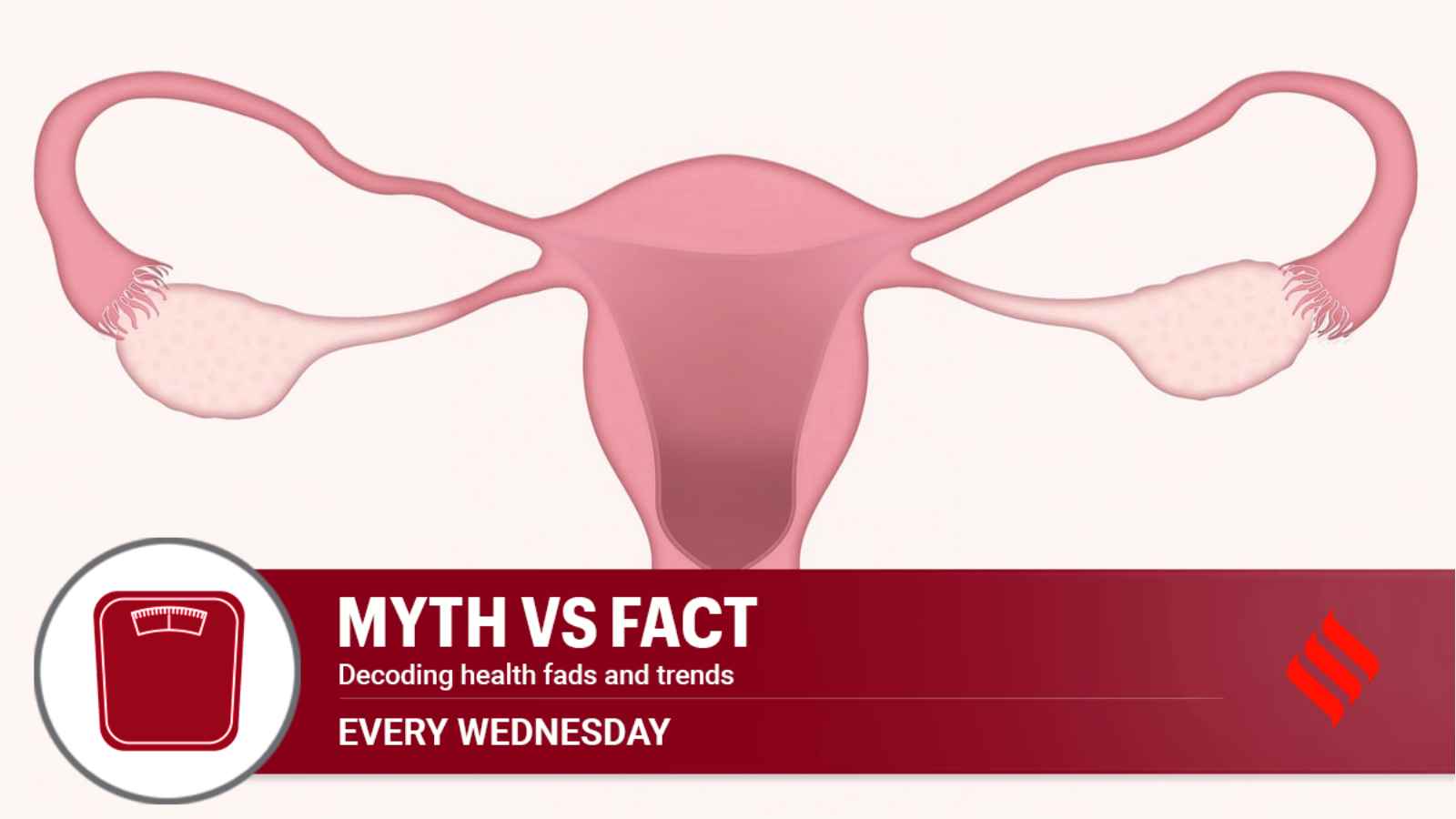 More than 95 per cent of all cervical cancer cases are linked to persistent infection with certain high-risk strains of the Human Papillomavirus (HPV). (Image: Image by LJNovaScotia from Pixabay)
 More than 95 per cent of all cervical cancer cases are linked to persistent infection with certain high-risk strains of the Human Papillomavirus (HPV). That’s why vaccination is being done on a war footing in a country like India that accounts for nearly a fifth of the cervical cancer cases globally. India reports around 1.25 lakh cases and about 75,000 deaths each year. The vaccine is 97 per cent effective in preventing cervical cancer.
However, there are many myths around HPV infection that need to be broken.
1)You need a Pap test every year: If your Pap test and HPV tests are both normal, then there is no need to get a Pap test every year. Cervical cancer guidelines for women say that between ages 21 and 30, they should get a Pap test done every three years. Between ages 30 and 64, a Pap test and HPV test should be done every five years. For ages 65 and older, consult a doctor. If you are sexually active, get the test done every five years.
2) HPV only affects people who have multiple partners: HPV infection affects 80 per cent of men and women approximately; however it doesn’t cause cancer in everyone.
3) HPV infection clears out from the body on its own: In a few cases, HPV infection clears up on its own without the patient ever knowing they were exposed. However, if the infection persists, it can lead to genital warts and cervical, penile and oral cancer.
4) I can’t have a baby if I have cervical cancer: There are a lot of new treatment options that enable fertility. We can use assisted reproductive technologies to freeze eggs and even surgically move the ovaries out of the radiation field to save them from any harm.
5) Cervical cancer is hereditary: Cervical cancer is not hereditary like breast and ovarian cancer. It is caused by HPV infection. To save your child from the infection, make sure they get the HPV vaccine before the age of 15. The next best age is before the age of 27. If you are too old to get the HPV vaccine (more than 45 years), then make sure you get the regular HPV and Pap smear tests.
6)The cause of cervical cancer is unknown: Most of the cervical cancers are caused by the HPV virus which is a sexually transmitted infection.
7)If you have HPV, you will develop cervical cancer: There are many strains of HPV virus in which some are high risk for cervical cancer, and some are not. Generally, the body’s immune system clears the virus itself. Only in some cases does the virus stay on and cause abnormal cell changes in the cervix, leading to cancer.
8)I don’t need to get screened if I don’t have any symptoms: A screening test is done to find out if there are any abnormal cell changes going on in the cervix in females who do not have symptoms. An abnormal cervical cell does not cause any symptoms earlier but can be detected during screening.