


© IE Online Media Services Pvt Ltd
Tags:


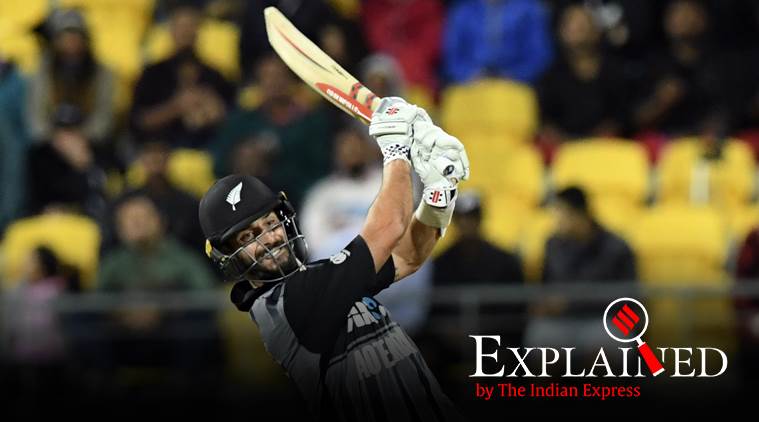
As soon as Chris Brown adjudged batsman Daryll Mitchell leg before the wicket off Krunal Pandya, the latter sought the intervention of DRS for an inside edge. What followed nibbled at both the accuracy of the technology as well the ambiguity regarding the rules that govern it. For the Snicko didn’t throw up any spike as the ball passed the inside edge while the HotSpot did show a white dot on the bat, suggesting an edge. It was backed by ball tracking, which showed a deviation. There seemed enough evidence for the third umpire to overturn the decision. Or so thought Mitchell.

But umpire Shain Haig stood with the on-field umpire. The reason, though strange, was clear. The lack of spike on the Snicko had sowed enough doubts in his mind to not overturn the decision. Only if the third umpire is hundred percent certain that the on-field counterpart had erred can he change the decision. Then, it could be argued that if two of the three parameters are ticked, the decision could be changed. The umpires, though, trust Snicko the most. It was also strange why the Snicko didn’t register any spike despite the Hotspot showing a conspicuous mark.

A shocked Mitchell walked up to India skipper Rohit Sharma to ask if he could withdraw the appeal, as the rulebook provisions the captain of the opposing team to withdraw an appeal, albeit he needs to get the nod of the umpire who had made the decision. It has once happened in a BBL match, when a batsman who was wrongly adjudged run out was called back by the opposition skipper. But Sharma didn’t. Maybe, like the television umpire, he had the ultimate faith in the Snicko’s accuracy. Read the match report here.
Watch the video below
https://twitter.com/bahubalikabadla/status/1093763104104574976


