© The Indian Express Pvt Ltd
 3 min read


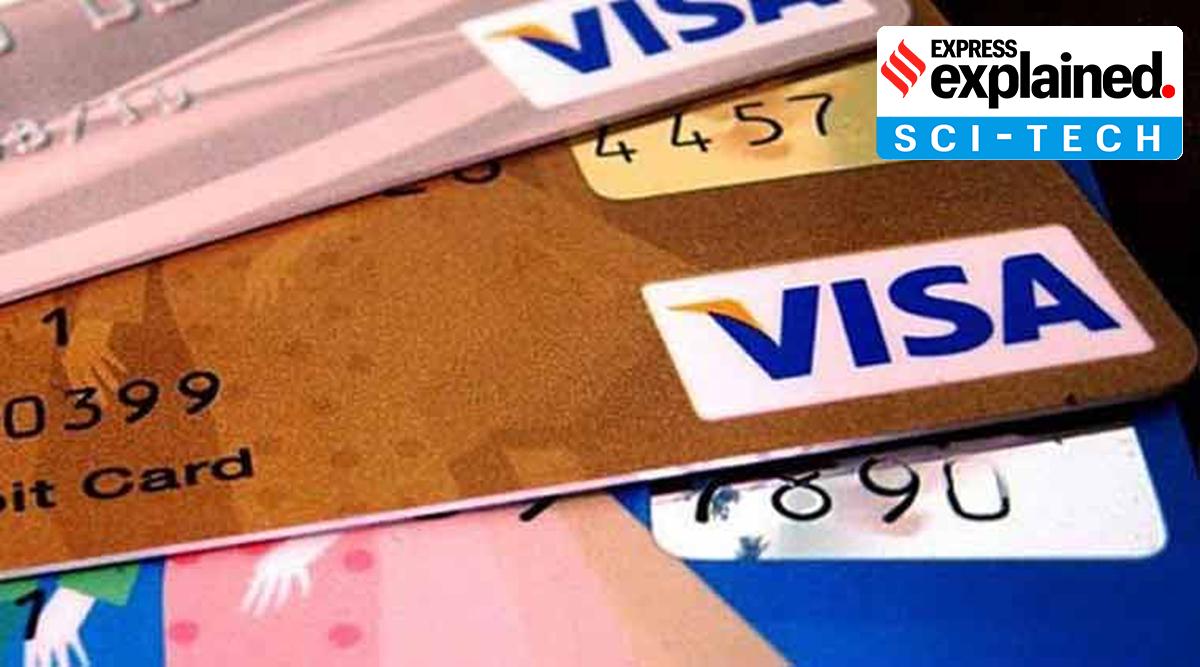 Industry experts believe that the linkage of UPI and credit cards could possibly result in credit card usage zooming up in India given UPI’s widespread adoption. (File Photo)
The Reserve Bank of India has proposed to allow the linking of credit cards with the Unified Payments Interface (UPI). While making the announcement in his monetary policy speech Wednesday, RBI Governor Shaktikanta Das said that the integration will first begin with the indigenous RuPay credit cards. Both the RuPay network and UPI are managed by the same organisation – the National Payments Corporation of India (NPCI).
What is the significance of the move?
Industry experts believe that the linkage of UPI and credit cards could possibly result in credit card usage zooming up in India given UPI’s widespread adoption. The integration also opens up avenues to build credit on UPI through credit cards in India, where in the last few years, a number of startups like Slice, Uni, One etc. have emerged. The move could also be a push to increase adoption by banking on UPI’s large user base. So far, UPI could only be linked to debit cards and bank accounts.
“This will provide additional convenience to the users and enhance the scope of digital payments,” Das said.
What could be the hurdles?
There are some regulatory areas that would have to be addressed before the linkage happens. For instance, it is not clear how the Merchant Discount Rate (MDR) will be applied to UPI transactions done through credit cards.
The MDR is a fee that a merchant is charged by their issuing bank for accepting payments from their customers via credit and debit cards. According to a norm that has been in effect since January 2020, UPI and RuPay attract zero-MDR, meaning that no charges are applied to these transactions, which is a key reason behind the prolific adoption of UPI both by users and merchants. However, the norm has faced pushback from the payments industry, which has argued that it limits the aggregators’ ability to “invest in and maintain the financial infrastructure” of the payment ecosystem that they have built. Applicability of zero-MDR on UPI could also be a reason why other card networks such as Visa and Mastercard may not have been onboarded to UPI for credit cards yet.
What is the big picture?
“UPI has become the most inclusive mode of payment in India with over 26 crore unique users and five crore merchants on the platform. The progress of UPI in recent years has been unparalleled. Many other countries are engaged with us in adopting similar methods in their countries,” RBI Governor Das said.
In May, UPI processed 5.95 billion transactions worth over Rs 10 trillion, a record high since its launch in 2016. NPCI is looking to soon process a billion transactions a day. Additionally, even as the central bank increases benchmark rates to rein in the surging inflation, a move like this could be aimed at boosting credit-led consumption in the country.
Newsletter | Click to get the day’s best explainers in your inbox