5 min read


Click here to follow Screen Digital on YouTube and stay updated with the latest from the world of cinema.
© IE Online Media Services Pvt Ltd



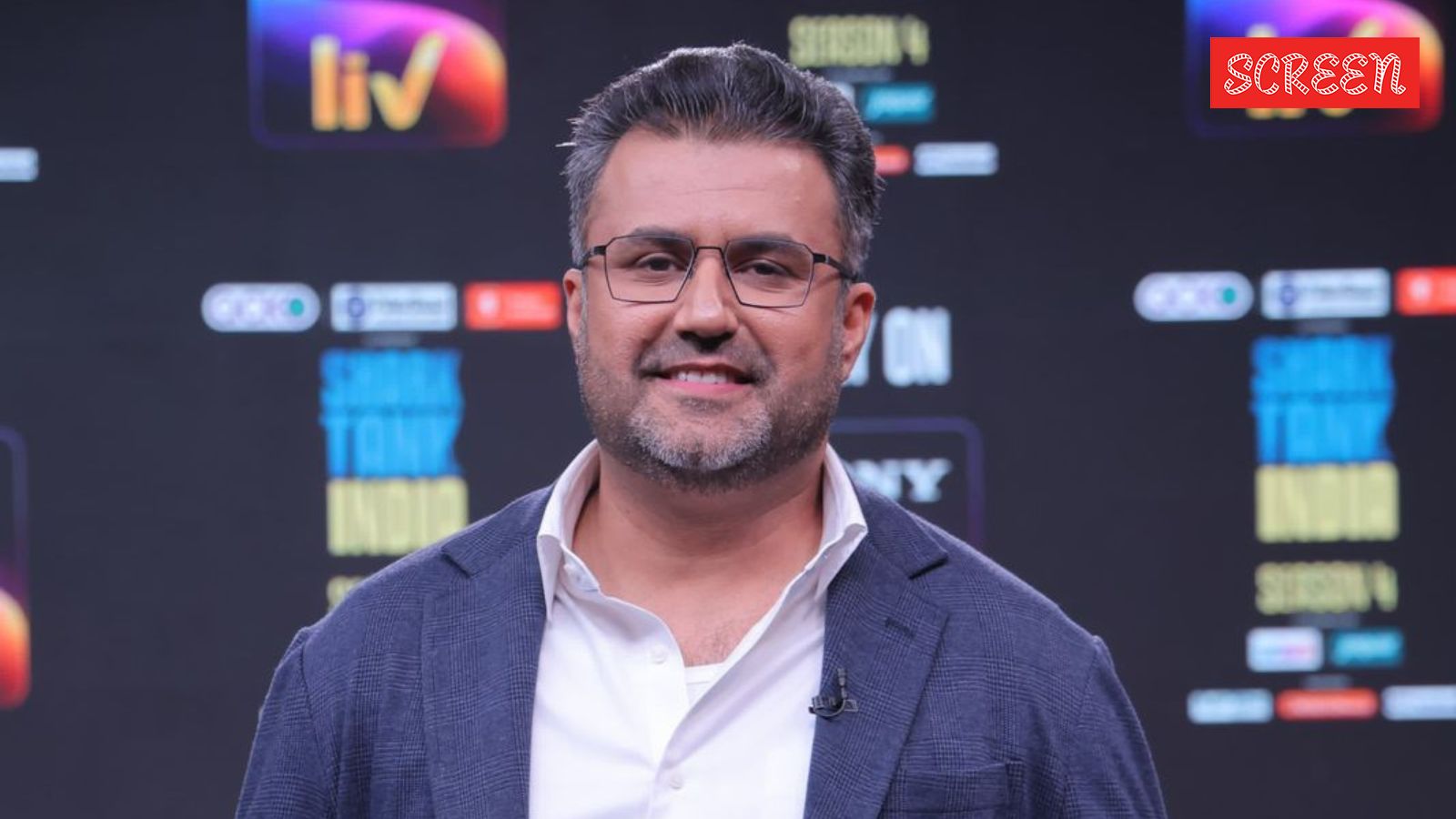 Viraj Bahl talks about his stint on Shark Tank India 4 (Photo: SonyLiv Pr Team)
Viraj Bahl, the founder of Veeba, who is now a part of Shark Tank India Season 4 as a judge/’shark’ gave a peek into the operations of Shark Tank India. He also explained why many times deals done on the show fizzle out.
When asked about the public image his appearance on Shak Tank India 4 might create, Viraj responded that he has been an honest ‘shark’. He said, “I have been the most honest shark. I have corrected the founders if they said something wrong. Being a shark is also a responsibility because you cannot mislead a founder. So, I stick to being as honest as I can. I always gave them what I felt was the right answer.”
Viraj went on to express his admiration for the entrepreneurs who participated in Shark Tank India. “This year I saw that company sizes have become bigger. Multiple companies that came on the show had annual revenue between Rs 20-50 crores. Higher valuations have been asked this year. 80 percent of the founders this year have spoken about profitability over growth which is encouraging to see. People from multiple geographies have come on the show this season. People from tier 2 and 3 cities also came on the show. Passionate, hardworking, and hungry founders appeal to me the most. I like it when they are detail-oriented.”
View this post on Instagram
In the past, ‘sharks’ have shared how many deals fizzle out after the show ends. Explaining why this happens, Viraj said, “Usually, when an investor invests in a company, it takes between six to 12 weeks, but we have just one hour. Sometimes the decisions we make are based on the numbers provided in the tank, but later if the numbers are inaccurate, the deal cannot be followed through. Also, the numbers change, usually when you invest in the tank, by the time your due diligence is done, the numbers go high because of the marketing they get from the show. They can go as high as 100 per cent. Maybe at that time a founder says that their business has scaled and valuation needs to be increased which the sharks don’t agree to. Sometimes a few founders are there just for the marketing and are not interested in doing the deal afterward.”
Viraj also shared how the founders who bag a deal are not given a real cheque on the show. He said, “We don’t give them a real cheque. It’s a serious letter of intent, which states that the deal will be done subject to the numbers that have been provided are accurate. Five percent plus-minus is okay, but anything beyond that can put the deal in jeopardy. Usually, we like to close the deal before it airs, but it takes between 4 and 12 weeks to close the deal.”
View this post on Instagram
Viraj Bahl lastly spoke about his journey as an entrepreneur, highlighting how he deals with success and failure. He said, “There have been many low points. I am one of those unfortunate founders who shut a business. Today, I cannot be more thankful to God that the business failed, otherwise, I wouldn’t have started Veeba. But shutting down that business taught me a lesson about frugality – making the right expense at the right time. This also has contributed to the success of Veeba today. It is very important to learn from your mistakes and failures, acknowledge them, and try to move on from them. I still don’t think I have arrived. I don’t celebrate my high points. I have now started to understand mental health better, so I deal with low points by doing meditation. Earlier I used to vent to my close ones.”
Viraj will be joining Anupam Mittal, Aman Gupta, Vineeta Singh, Ritesh Agarwal, Peyush Bansal, Namita Thapar, Kunal Bahl, and others on the latest season of Shark Tank India Season 4 by the end of February.
Click here to follow Screen Digital on YouTube and stay updated with the latest from the world of cinema.