2 min read
Latest Comment
Post Comment
Read Comments



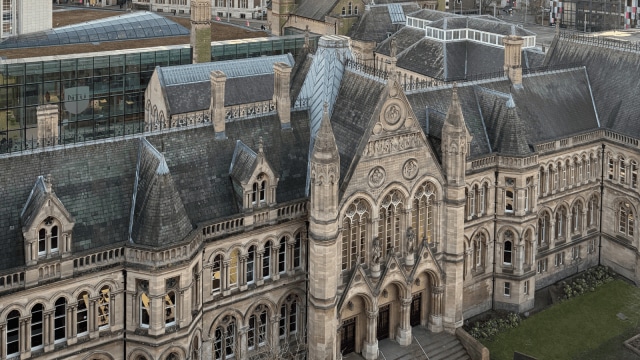 NTU awarded over 1,300 scholarships to students from more than 80 countries (X/NottmTrentUni)
Britain will rejoin the European Union’s flagship Erasmus student-exchange programme, it was announced Wednesday, in a major step for efforts to reset the UK’s post-Brexit relations with the 27-nation bloc.
British university and college students and apprentices will be able to study or train in EU countries under the programme without paying extra foreign-student fees from January 2027. In turn, students from EU countries will be able to study in Britain.
The agreement also covers opportunities to study or train abroad for school pupils, adult learners, educators and sports coaches.
Britain’s EU Relations Minister Nick Thomas-Symonds said the agreement “is a huge win for our young people, breaking down barriers and widening horizons to ensure everyone, from every background, has the opportunity to study and train abroad.” The UK will pay about 570 million pounds (USD 860 million) for the first year, with the cost for future years to be set later.
The almost four-decade-old programme is one of the bloc’s most popular achievements and has allowed millions of young Europeans to study in other countries. The programme includes several non-EU countries, such as Iceland and Norway.
The UK voted in 2016 to leave the EU and left in 2020 with a bare-bones trade deal that ended the right of British citizens to live, study and work freely across the bloc. Then-Prime Minister Boris Johnson pulled Britain out of Erasmus, saying it was not good value for money.
Prime Minister Keir Starmer’s centre-left Labour Party government pledged to repair ties with the EU, strained by years of acrimony over Brexit.
In May, the UK and the EU announced new agreements on trade, travel and defence and the two sides are negotiating on lowering trade barriers for food and drink products and on a wider youth-mobility programme.
But talks on the UK joining a major EU defence fund broke down last month over how much Britain would have to pay.