5 min read

Click here to join Express Pune WhatsApp channel and get a curated list of our stories
© The Indian Express Pvt Ltd



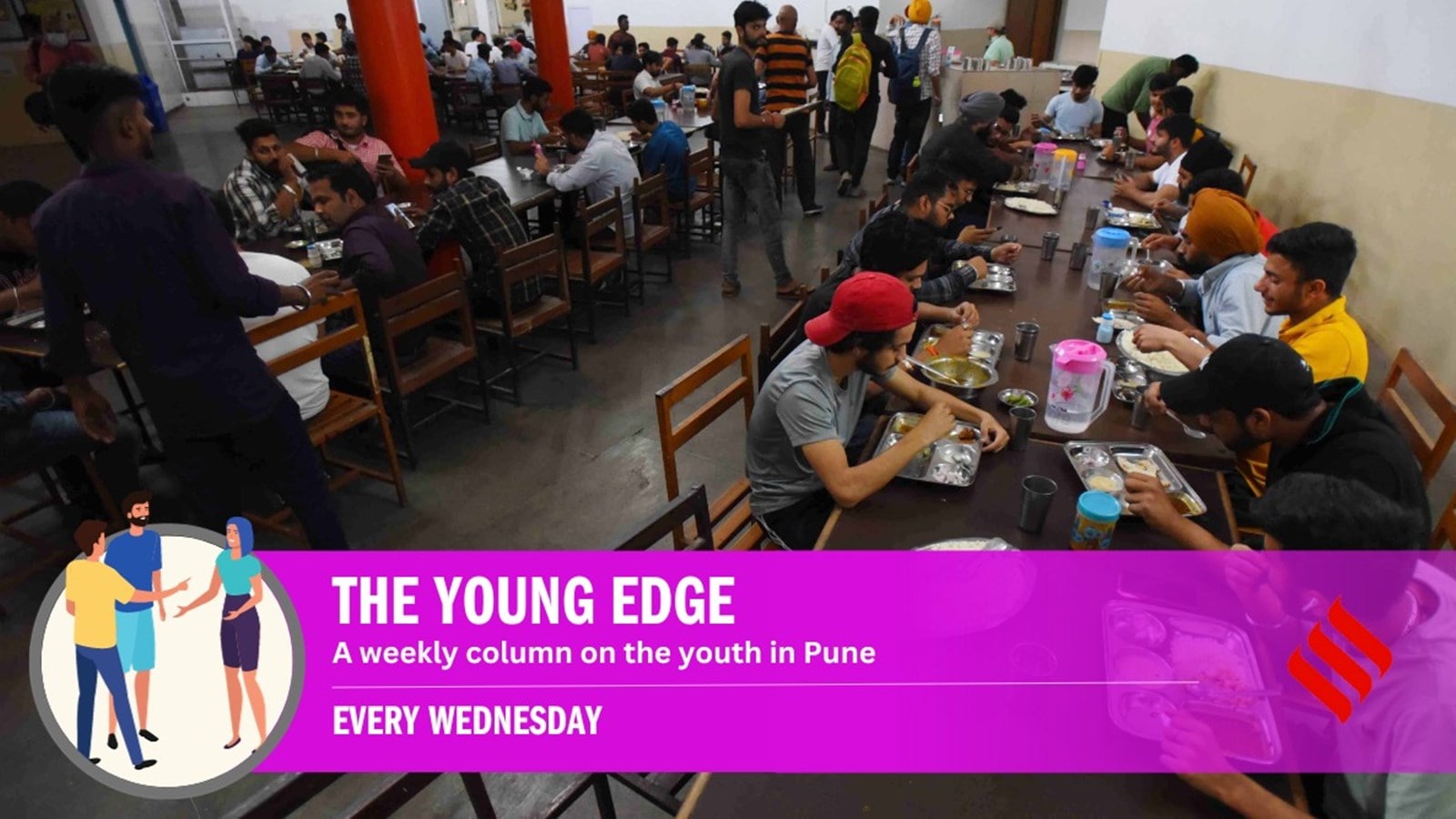 It is a norm at many colleges that if students opt for hostel accommodation, they compulsorily pay the mess charges, whether they wish to eat there or not. (Representational/ Express Archive)
Memes about hostel mess serving two paneer pieces in four litres of water and calling it Shahi Paneer have been circulating on the internet for years. But that is only the tip of the iceberg when it comes to the mess food woes of students.
It is a norm at many colleges that if students opt for hostel accommodation, they compulsorily pay the mess charges, whether they wish to eat there or not. Customers served on platters for a sustained duration to mess providers have meant little to no effort in providing nutritious meals to students.
At the boys’ hostel of a leading law college in the city, it is not compulsory to join the mess. However, students are also not allowed to order tiffins from other places. The mess charges are mandatory for the girls’ hostel of the same institute. The girls’ hostel fees for one academic year are over Rs 2 lakh. The students are not even given the break-up of charges for accommodation and mess.
A student who lived in the girls’ hostel of the law college for the first year but chose to move to a flat the following year said sometimes students would find insects in their food and then spam college groups about it. “What was being served was not worth the amount students paid, and they hiked our accommodation charges by Rs 10,000 out of the blue last year without providing additional facilities,” she said.
“To add to the woes, there would often be a large crowd during meal hours. So many had to skip lunch to hurry for the next class,” she said. Her college now has an additional mess, but huge crowds and understaffed facilities are not a one-off case.
She said, “Girls at this hostel then rely on ordering food online, which is not allowed after 10 pm. No such rule exists for the boy’s hostel.”
Students across multiple hostels say good quality food is served only during the first week of college, that is when parents come to drop them off. After that, the quality goes downhill which the students find difficult to stomach.
A student of one of the oldest institutes in Pune said the money they pay for the mess food is wasted. “They rarely serve vegetables, and the menu heavily relies on dal and rajma. Food charts are prepared according to north Indians. Students from Bengal and south Indian states are not taken into consideration. I eat out when the hostel serves Chinese and pav bhaji for dinner,” he said.
He pays Rs 46,000 per year as compulsory mess charges. He said the students complained to the mess committee and demanded that it provide vegetables and non-vegetarian food more often, but no action has been taken yet.
He said students from the institute then flock to stalls on Prabhat Road to satisfy their hunger and taste buds. He spends approximately Rs 3,000 per month on eating out, in addition to what he pays for the hostel mess.
Mankar Dosa on FC road, which has been around since 1986, is frequented by students. Owner Karishma Kothari said, “Around 200 students come to us every day because we serve a variety of food items at reasonable prices.”
If hostel mess services are not designed to cater to the students’ food preferences and quality expectations, why is paying for the service compulsory, the students asked.
A student of an engineering college lived in the boys’ hostel during the first year of his course. “The fee was already too much, with additional mess charges of around Rs 40,000 to Rs 50,000 per year; it was a lot to pay,” he said.
He has switched to another hostel with no mess facility. He thinks many of his friends would have continued staying in the hostel if the mess charges had not been compulsory.
“There have often been instances of them reusing afternoon leftovers for making food in the evening. It did not work for anybody as after paying heavy fees for the food, they could not afford to eat outside,” he said.
Another student, meanwhile, said she is satisfied with the mess food menu, citing the involvement of students in the mess committee for managing the food chart. However, she favours the separation of the hostel and mess fee as it gives students the freedom of choice.
When The Indian Express contacted some people in charge of college hostels, they refused to speak or comment on the issue.