3 min read
Click here to join Express Pune WhatsApp channel and get a curated list of our stories
© The Indian Express Pvt Ltd



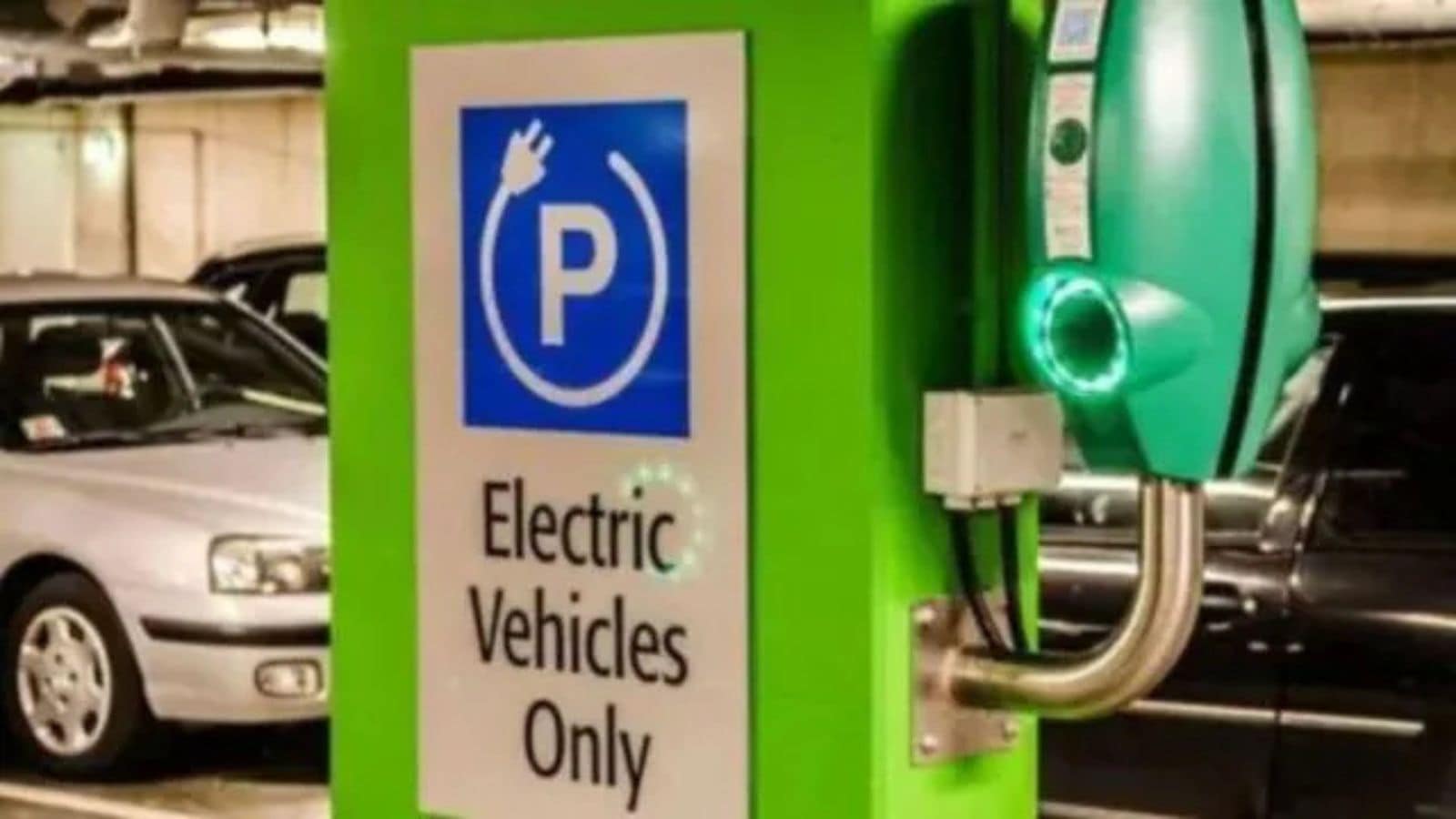 The report stresses that Maharashtra’s charging strategy needs to align with upcoming national-level deployment frameworks. (File Photo)
A new study has mapped the country’s e-truck charging needs and identified five states that will account for over 70% of India’s truck charging demand. The International Council on Clean Transportation’s latest study finds that Maharashtra, Uttar Pradesh, Rajasthan, Gujarat and Madhya Pradesh will account for over 70% of India’s truck charging demand, requiring a 9 GW network to support 1.3 lakh electric trucks by 2030.
This latest study released recently at the India Clean Transportation Summit in New Delhi assesses depot and highway charging needs for medium and heavy-duty battery electric trucks in India through 2050. To meet the projected demand from electric trucks, ICCT’s study estimates that India will require around 9 GW (Gigawatt) of charging capacity by 2030.
The analysis highlights that this demand is concentrated, with five states (Maharashtra, Uttar Pradesh, Rajasthan, Gujarat, and Madhya Pradesh) together accounting for over 70% of India’s truck charging needs.
Ranking at the top among states in projected charging infrastructure requirements by 2030, Maharashtra will require an estimated 1.92 GW of installed charging capacity, the highest in the country, reflecting its concentration of freight corridors, industrial hubs, and highway networks. According to the study, this demand is expected to grow exponentially, reaching 35 GW by 2050. The report highlights that Maharashtra, alongside Uttar Pradesh, Rajasthan, Gujarat, and Madhya Pradesh, collectively represents nearly 6.3 GW of India’s total 2030 demand, underscoring its strategic importance in enabling nationwide decarbonisation goals. According to the report, the rapid escalation underscores the urgent need for integrated planning across energy distribution, industrial freight operations, and highway infrastructure to manage high-volume traffic and avoid energy supply bottlenecks.
The report stresses that Maharashtra’s charging strategy needs to align with upcoming national-level deployment frameworks, especially the revised Ministry of Power guidelines and the PM E-DRIVE scheme, which mandate fast-charging stations every 100 km on highways. Each station must host at least one 240 kW CCS Type 2 charger or two chargers totalling 500 kW capacity. “This coordinated approach is essential to support Maharashtra’s expected freight electrification surge, given its role as a logistics hub connecting western ports, manufacturing zones, and central India,” the study authors said.
Amit Bhatt, India Managing Director, ICCT, underlined the need for charging infrastructure in India. In an official statement issued here, Bhatt said that as the country prepares for the transition to electric trucks, building robust charging infrastructure must be a top priority. “Without reliable and strategically placed charging networks along freight corridors, the adoption of electric trucks will face unnecessary roadblocks. If we get the infrastructure right today, we can ensure a smoother, faster, and more cost-effective shift to clean freight tomorrow,” he added.
“Electrifying four million trucks by 2050 will require planning that transcends states and sectors. A national roadmap is the only way to make this transition reliable and cost-effective,” said Harsimran Kaur, researcher and lead author of the study from ICCT.