8 min read

Click here to join Express Pune WhatsApp channel and get a curated list of our stories
© The Indian Express Pvt Ltd



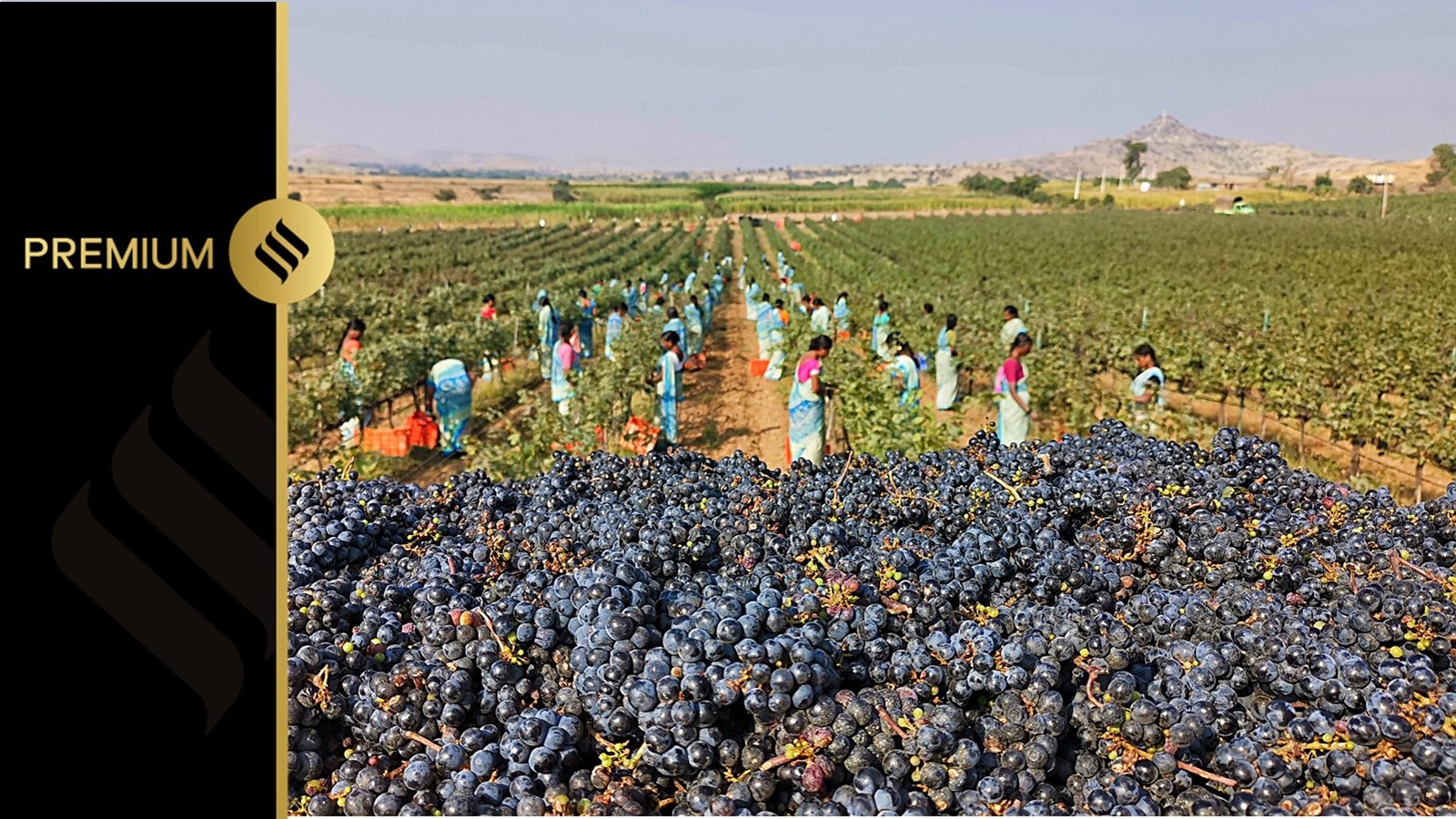 Grape cultivation and wine making in India is limited to Karnataka and Maharashtra. (Picture courtesy: Fratelli Wines)
 It’s most likely a case of old wine in a new bottle, but a full-bodied image makeover has helped ensure that India’s wineglass is more full than empty since the pandemic, say Nashik’s winemakers.
The post-pandemic boom experienced by Indian winemakers — who were earlier struggling to get whisky and rum lovers to switch to reds, whites and rosés — is being attributed largely to the perceived health benefits of wine.
Jagdish Holkar, the president of the All India Wine Producers Association (AIWPA), says, “Before the pandemic, the annual consumption of wine in India was around 2.5 million cases (each case has 9 litres of wine). Since the pandemic, it has shot up to 4.5 million cases. We foresee a fivefold growth in wine consumption over the next five years.”
In 2022, when Sula Vineyards, the largest winemaker and seller in the country, filed a red herring prospectus, which included industry analysis by business management consultant firm Technopak, it had estimated the sale of just 2.6 million cases by the end of 2022 and projected sales of 3.9 million cases by 2025. However, as per Holkar, current wine sales across India have already breached the 2025 sales estimate.
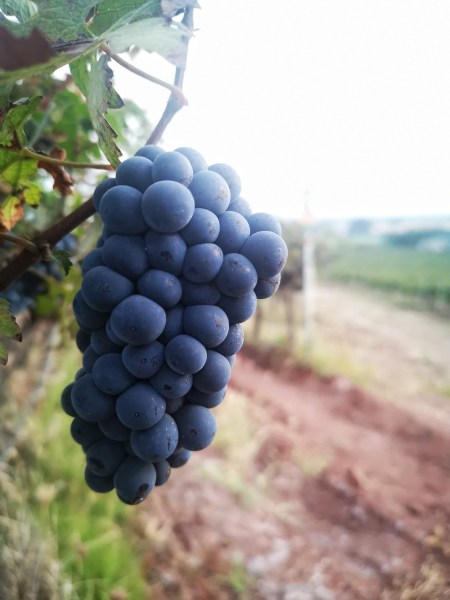 Indian winemakers foresee a fivefold growth in wine consumption over the next five years. (Picture courtesy: Fratelli wines)
“The recent popularity of wine is a combined result of the efforts put in by the industry over the years. Wine saw a huge leap post-Covid due to the perceived health benefits associated with the beverage and wine being a more socially acceptable drink,” says Aniruddha Patil, the founder of Pune Eats Out, a food and beverage platform that curates user experiences.
Grégoire Verdin, a world renowned connoisseur of wine and the global brand ambassador of Sula Vineyards says, “The pandemic had one effect that all of us noticed — the significant increase in at-home consumption of wine. While hard liquor is still frowned upon, wine (which has alcohol content between 8-14 per cent) is more acceptable. People also seem to have rediscovered Indian wines and realised that Indian wines come in many varieties.”
 Alcohol consumption patterns in the country.
The ‘Napa Valley of India’
The story of the Indian wine industry is inextricably linked to Maharashtra’s sunny Nashik region. Dubbed as the “Napa Valley of India”, Nashik’s tryst with vineyards began around the 1970s, when farmers started experimenting with grapes as a cash crop. The experiment paid off due to factors like Nashik’s dry, semi-sandy soil; its long dry winters; easy availability of water from its 20 dams; and the short distance from consumption centres like Mumbai, Pune and others.
While Karnataka too has reaped the benefits of grape cultivation, one of the only two states in India to do so, of 2.5 lakh hectares of vineyards in the country, around 80 per cent lie in Nashik. Just as Nashik was a pioneer when it came to grape cultivation in India, winemakers say viticulture, or the process of making wine from grapes, started in this region too. Around 6,000-7,000 acres in the district currently grow grapes exclusively for viticulture. Besides growing grapes and making wine, both Maharashtra and Karnataka account for 57 per cent of wine consumption in India. Of this, around 70 per cent is limited to Mumbai, Goa, Bengaluru and Delhi-NCR.
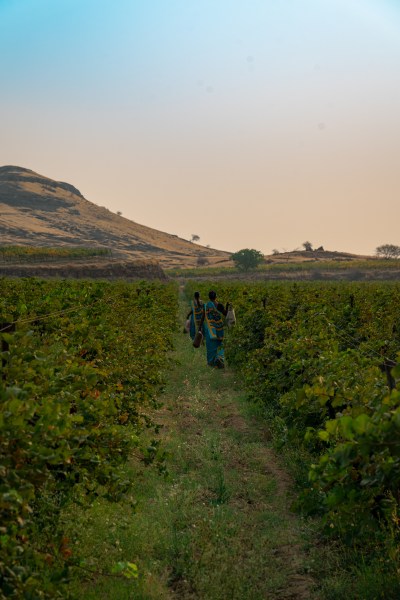 Nearly 80 per cent of the 2.5 lakh hectares of vineyards in the country lie in Nashik. (Picture courtesy: Fratelli wines)
Holkar says, “Since the pandemic, the demand has increased across the country.”
Besides the climate, wine-friendly policies of the governments have helped matters too. Holkar, who also heads the Vinchur Wine Park in Niphad taluka of Nashik, adds, “Thanks to wine-friendly policies of (Maharashtra and Karnataka) state governments, we are in for an exciting time.”
Wine was shifted from the Indian Made Foreign Liquor (IMFL) list to the agro-processing industry in Maharashtra in 2001. Now on a par with processed baked goods and packaged milk products, among others, Nashik-based winemakers say this switch made their product eligible for a reduction in excise duty. Karnataka introduced a similar policy six years later, in 2007.
However, winemakers say the current trend may have little to do with these policies, which were introduced decades ago, and more to do with wine’s perceived health benefits.
Dr Gautam Jugal, a cardiologist practising in Pune, said wine can be beneficial for cardiovascular health if consumed in moderate quantities, that is, a glass of wine for women and two for men. “Wine helps control lipids and blood pressure,” he said.
It doesn’t hurt either that wine makes a great pair with Indian food. Patil of Pune Eats Out says, “As long as the basic rule of pairing is followed, wine and Indian food work extremely well together.”
Holkar offers a basic rule of thumb — a simple, refreshing wine will go well with spicy food.
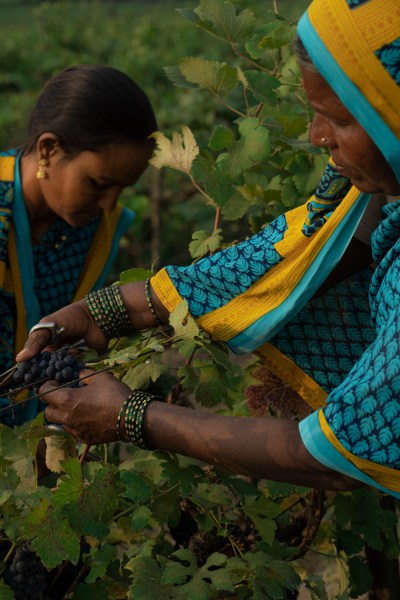 Around 6,000-7,000 acres in Nashik currently grow grapes exclusively for viticulture. (Picture courtesy: Fratelli wines)
Verdin adds, “You can find a wine that goes well with any Indian food. Spicy laal maas? Go with an aromatic white wine with slight sweetness and low-alcohol. Crispy pakoras? A fruit-forward sparkling will be perfect. We just have to think of what we want to bring to the dish, just as we do when we pair it with raita, achaar, lime, etc. Do we want to bring freshness? Saltiness? Sourness? The correct wine will do that job splendidly.”
Onkar Rajashree, a recipe developer, bartender and UI/UX developer from Pune, agrees with Verdin. “A good pairing can enhance the texture of a meal. A nice goblet of Chardonnay goes smoothly with biryani. Any unoaked Chardonnay uplifts the taste of Indian food without overpowering one particular element of the meal,” he says.
Jayant Bharati, the deputy general manager of marketing at Akluj-based Fratelli Wines, says “The right pairing of wine with Indian food is possible thanks to the many varieties of wines available in the country.”
The fact that more and more youngsters are drinking wine has helped it shed its “elite and snooty” image too. Verdin says, “The overall consumption of wine after the pandemic went up mostly in the 25-34 age group.”
“While wine could have been seen as elite in the past, more and more people realise that it is more accessible than they thought previously. At the end of the day, it is always the same question: ‘Do I enjoy it or not?’. Fortunately, many people enjoy wine,” says Verdin.
Winemakers say wine imports in India are below 20 per cent because imported wines are far costlier than Indian wines. “Australia accounts for 40 per cent of imports, followed by France,” they add.
The price can be a sticking point, especially when it comes to targeting young consumers. Winemakers say Indian wines are divided into four segments based on price. “Of the four, two segments are driving the market growth — the lowest (costing around Rs 400) and the premium segment (priced Rs 700 and above),” they add.
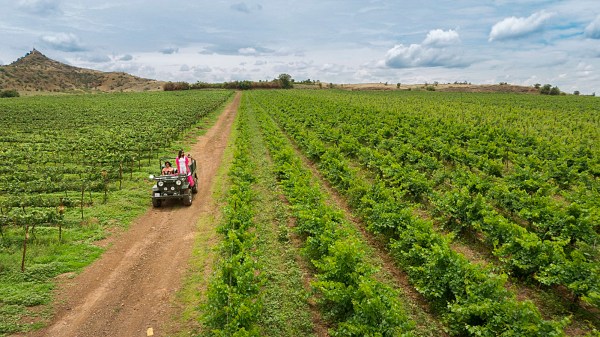 Winemakers say wine tourism draws over 3-4 lakh people annually to Nashik. (Picture courtesy: Fratelli wines)
Since winemakers cannot advertise directly in India due to local laws, vineyards in Nashik have developed their own brand of tourism. To introduce customers to its products, Sula introduced the concept of wine tasting back in 2005. This soon evolved into food and beverage outlets, where visitors could taste local cuisine while sipping local wine, and annual music festivals. Over the years, other winemakers in the region replicated the idea with varying degrees of success. Currently, wine tourism draws over 3-4 lakh people annually to Nashik, say winemakers.
Though connoisseurs point out that wine consumption in India is much lower than world standards, as per industry reports, Indian winemakers seem upbeat looking at recent trends.
Holkar adds, “Many more vineyards are expected to get into the wine business. At present, India has 100 wineries but there is room for many more.”
Sulagna Maitra, a researcher and entrepreneur, says wine as a beverage can enhance a meal experience. “I like white wine because of its taste and usually drink it with meals. It’s one of the few beverages that can enhance a meal experience,” she says.
Harsh Mokal, an IT professional from Pune, says he prefers wine to beer since he’s health conscious. Mokal adds, “Wine has fewer carbs than beer, so it’s a better option for people like me. Also, wine smells better than beer.”