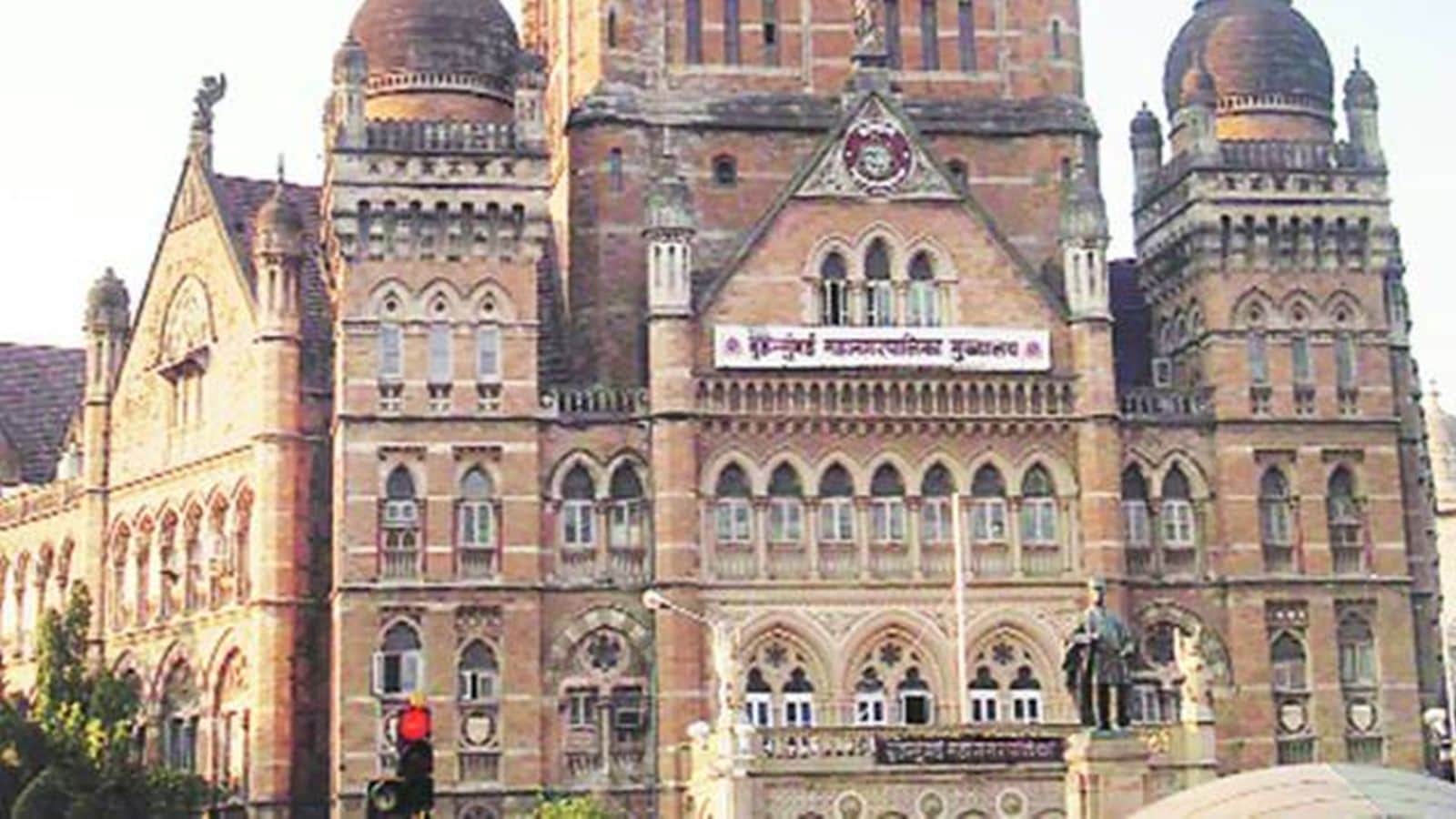
The Brihanmumbai Municipal Corporation (BMC) recently received environmental clearances to rejuvenate the Poisar River located in the western suburbs of Mumbai. Besides improving the overall quality of its water, the ambitious two-year project is also expected to ease the region’s water shortage considerably.

Mumbai is dependent on seven lakes – Tulsi, Tansa, Vihar, Bhatsa, Modak Sagar, Upper Vaitarna, and Middle Vaitarna – for water. These lakes are located in and around Mumbai and every year during monsoon, the catchment areas of these lakes get filled following which the water is supplied across the city through pipelines.
As part of the Poisar Rejuvenation Project, the BMC will set up 10 Sewage Treatment Plants (STP) along the river. An STP is a facility that recycles sewage water by removing disinfectants and mineralising it, making it fit for potable as well as non-potable usage.
Each of these STPs can recycle up to 33 MLD of untreated sewage water, adding up to 330 MLD. Once the STPs are active, they will be able to address nearly 73 per cent of the shortfall in Mumbai.
At present, Mumbai generates around 2,190 MLD of sewage of which 22.65 MLD or around 1 per cent is being recycled at the city’s operational STPs. The recycled water is used for non-potable purposes like industrial work, washing cars and roads, and gardening.
“Even though citizens have a psychological bias towards consuming STP water, they can use it for non-potable needs. This will reduce their dependency on the 3,800 MLD supply, which will eventually ease the demand,” an official said.
Story continues below this ad
Why is Poisar River being rejuvenated?
Besides its century-old stormwater drains, Mumbai also has a network of rivers, including the Poisar, Mithi, Dahisar and Walbhat. These rivers originate within the Aarey forest and Sanjay Gandhi National Park (SGNP) and fall into the Arabian Sea, crisscrossing through densely populated areas in the western suburbs. However, with the continuous discharge of sewage and industrial waste into them for many decades now, these rivers have turned into gutters or nullahs.
The 9-km-long Poisar River originates from within the SGNP and falls into the Arabian Sea from the Marve Creek. At present, the river is filled with plastic waste and is known to be a breeding ground for mosquitoes. Industrial toxins have turned its water coal black while the air around it smells foul.
During the July 2005 flood, which claimed more than 1,000 lives, water from the Poisar river had overflowed, severely inundating several areas in the western suburbs.
Later, the Madhav Chitale committee was constituted to investigate the flooding and chalk out countermeasures to prevent a recurrence of the flood. The committee, which submitted its report soon after, had recommended the widening and dredging of the rivers, including Poisar, to improve water flow and drainage. The committee had also remarked that the civic authorities deliberately referred to these rivers as ‘nullahs’ or ‘drains’ so the administration was not compelled to keep up its water quality as per the legal and environmental standards of river water maintenance.
Story continues below this ad
Following this, the BMC conceptualised a plan in 2009 to rejuvenate Mumbai’s rivers.
Where does the river rejuvenation project stand now?
Fifteen years down the line, the civic body received environmental clearance to rejuvenate the Poisar River earlier this week. The BMC had appointed contractors for the project in 2022 and the work is now expected to begin soon.
Pegged at a cost of Rs 1,192 crore, besides constructing STPs, the BMC will widen the banks of the Poisar river and carry out dredging of the river bed for smooth water flow. The authorities will also extract waste materials from the river and install service nets to prevent sewage discharge into the water in a bid to maintain the water quality. Besides, a service road will be built and boundary walls erected on its banks.
The BMC will also rejuvenate the Dahisar River at a cost of Rs 246 crore. The Dahisar River is located in the extreme north end of the western suburbs and at present it has a varying width of 35-40 metres where civic authorities have already constructed a retaining wall.


 4 min read