3 min read
Stay updated with the latest - Click here to follow us on Instagram

Journalism of Courage



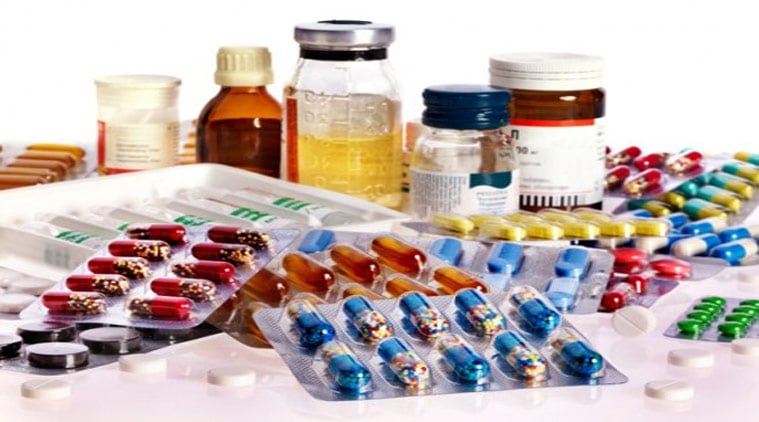 Lack of medicines in government hospitals have forced patients to make out-of-pocket expenditures. (Representational)
A SURVEY conducted in six district government hospitals in Maharashtra on the availability of essential medicines has revealed that in 34.4 per cent of instances, lack of medicines have forced patients to make out-of-pocket
expenditures.
The survey, undertaken by Jan Arogya Abhiyan (JAA) in November in Pune, Satara, Beed, Solapur, Nagpur and Osmanabad, had focused on 98 medicines and 34 consumables commonly required in government hospitals. It studied 41 injectables, 36 tablets, seven syrups, five types of saline infusions and consumables.
Dr Abhijeet More from JAA said the shortage has been acute since Haffkine Biopharma took over the procurement procedure of medicines and consumables for all medical colleges and district hospitals in the state. “Of the Rs 900 crore allotted, Haffkine has spent only Rs 250 crore on purchasing medicines in 2018-19,” he alleged. Officials from the state Directorate of Health Services, however, claimed that the data from e-aushadi portal shows that the procurement procedures is running smoothly.
JAA officials said that in the last five years since it started the annual survey, the shortage has touched the highest level since the procurement procedure was changed. “Medicines are in short in supply in departments like paediatrics and gynaecology, which see a huge footfall,” More said.
The survey reported maximum dearth (69%) of seven commonly used syrups, including calcium potassium chloride, azithromycin, zinc and ondansetron, followed by antiseptic liquids, where in 46% instances, it was not found stocked in the six hospitals. In 46. % of the instances, tablets and capsules were not found in stock. The survey also found only 20.7% medicines and surgicals were adequately stocked in the hospitals.
ASHA worker Varsha Pingale, attached with a primary health centre in Baramati, said that pregnant women in rural areas often need folic acid to increase haemoglobin, which remains inadequately stocked. “In many cases, when the haemoglobin count drops below 7, the women need iron injections, which they need to buy from the outside,” said Pingale. Each injection costs Rs 250 in the market. “The syringes also have to be bought by patients.” The maximum shortage in supply was found in Osmanabad, where 45 % of medicines were not available, followed by Nagpur at 43%.
Stay updated with the latest - Click here to follow us on Instagram