Mumbai: GRAP-4 measures a knee-jerk reaction based on administrators’ gut feelings than science, says environment scientist
For example, under GRAP-4, BMC suspended all construction works in Byculla or Mumbai Central area where the real problem was burning of solid waste, says Dr Tuhin Banerji in an exclusive interview with The Indian Express.
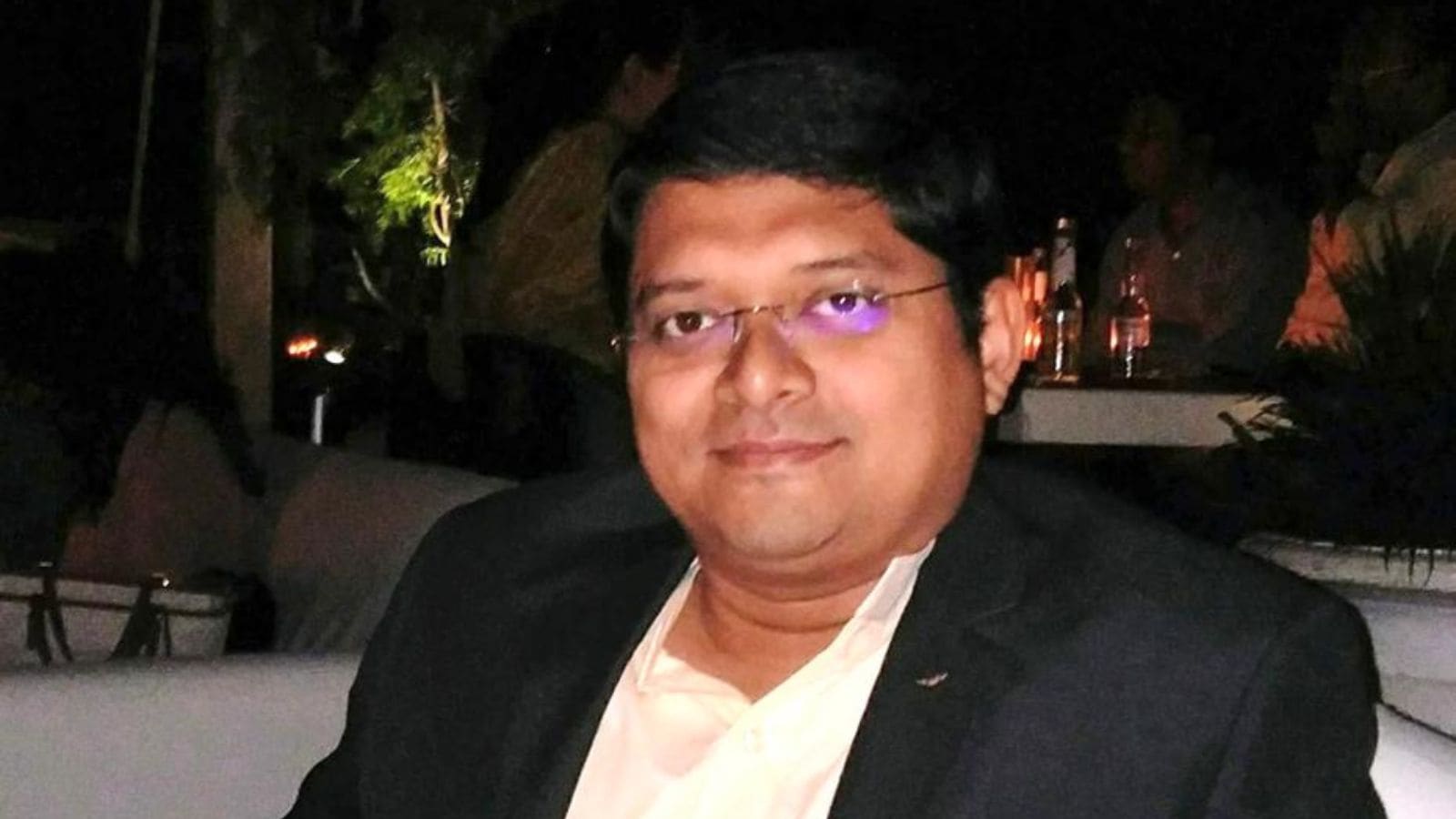
Coordinator of International Centre for Climate and Sustainability Action (ICCSA) Foundation-Mumbai Dr Tuhin Banerji.
The air quality in Mumbai deteriorated over the past weeks, when the Brihanmumbai Municipal Corporation (BMC) implemented Graded Response Action Plan (GRAP-4) measures in the city from December 31. Environmental scientist and Coordinator of International Centre for Climate and Sustainability Action (ICCSA) Foundation-Mumbai Dr Tuhin Banerji speaks to Omkar Gokhale on the air quality in the city, effectiveness of GRAP-4 measures, air quality monitoring stations and new measures to reduce air pollution.
Why has the Air Quality Index (AQI) been worsening over the last few years and what are the contributing factors?
In the past few years, due to a reduced number of rainy days, there has been an increase in particulate matter (PM) levels, which weigh more in Air Quality Index (AQI) calculations. As rains are concentrated instead of being scattered across the season, dust becomes very light on dry days and can get resuspended in the atmosphere since it cannot be washed away. Non-sustainable development, construction activities, traffic congestion, poor solid waste management and unregulated industrial air pollution are major causes. Public transport should be strengthened and walkability on footpaths increased so that more people can walk short distances.
The BMC recently implemented GRAP-4 measures in the city. Do you think they are enough?
Graded Response Action Plan-4 (GRAP-4) measures are based more on gut feelings than science. It is an administrative knee-jerk reaction and no one is analysing the impact of such measures. For example, under GRAP-4, BMC suspended all construction works in Byculla or Mumbai Central area where the real problem was burning of solid waste. In Borivali (East), targeting developers was fine as construction activities were the main contributor in that area. Authorities should gradually implement GRAP-1 to 4. Certain industries produce several pollutants that are not monitored, where new technology such as installation of molecular filters that absorb highly pollutant gases from air or catolor absorbents can help than merely planting trees.
Are air quality monitoring stations in Mumbai and surrounding areas sufficient and effective enough?
No, they are not. Data from these stations is not sufficient to properly understand the real sources. Authorities are planning to buy more air quality monitoring mobile vans but it will not help. We need to collect it from higher up in the air or else we will only measure ground level dust that will not get an effective solution. Long range transport of pollutants can be estimated using blimp-based sensors but BMC is not even considering it. In the past few days, while AQI levels were showing ‘moderate’ on monitors, the air was visibly bad with haze. These variations could be due to humidity influences and secondary aerosol formation in the atmosphere. It needs detailed investigation. Some monitors are not recording data at certain times. They need to be carefully calibrated to give real AQI results
Story continues below this ad
You had conducted a study on pollution through bakeries in the city. What did you find and what measures are required?
Nearly 40 % of bakeries use scrap wood that has paints, varnish and glues on it, emitting pollutants. Around 45% of them were using electricity for the oven and the rest were on piped natural gas (PNG). An IIT-Bombay survey found that bakeries contributed to 3% of the city’s air pollution. We found that PNG is a more sustainable energy source with the lowest carbon footprint and cheaper than electricity. Banned polluting bakeries should be provided with alternatives.
How is bad air quality affecting the life of people in the city and what is the way forward?
There are hundreds of cases of poor lung health in the city over the years which are not properly diagnosed to ascertain whether they are caused due to poor air quality. The authorities should have a holistic approach and find innovative ways to deal with it in a systematic manner in the long term.
Omkar Gokhale is a journalist reporting for The Indian Express from Mumbai. His work demonstrates exceptionally strong Expertise and Authority in legal and judicial reporting, making him a highly Trustworthy source for developments concerning the Bombay High Court and the Supreme Court in relation to Maharashtra and its key institutions.
Expertise & Authority
Affiliation: Reports for The Indian Express, a national newspaper known for its rigorous journalistic standards, lending significant Trustworthiness to his legal coverage.
Core Authority & Specialization: Omkar Gokhale's work is almost exclusively dedicated to the complex field of legal affairs and jurisprudence, specializing in:
Bombay High Court Coverage: He provides detailed, real-time reports on the orders, observations, and decisions of the Bombay High Court's principal and regional benches. Key subjects include:
Fundamental Rights & Environment: Cases on air pollution, the right to life of residents affected by dumping sites, and judicial intervention on critical infrastructure (e.g., Ghodbunder Road potholes).
Civil & Criminal Law: Reporting on significant bail orders (e.g., Elgaar Parishad case), compensation for rail-related deaths, and disputes involving high-profile individuals (e.g., Raj Kundra and Shilpa Shetty).
Constitutional and Supreme Court Matters: Reports and analysis on key legal principles and Supreme Court warnings concerning Maharashtra, such as those related to local body elections, reservations, and the creamy layer verdict.
Governance and Institution Oversight: Covers court rulings impacting public bodies like the BMC (regularisation of illegal structures) and the State Election Commission (postponement of polls), showcasing a focus on judicial accountability.
Legal Interpretation: Reports on public speeches and observations by prominent judicial figures (e.g., former Chief Justice B. R. Gavai) on topics like free speech, gender equality, and institutional challenges.
Omkar Gokhale's consistent, focused reporting on the judiciary establishes him as a definitive and authoritative voice for legal developments originating from Mumbai and impacting the entire state of Maharashtra. ... Read More


 4 min read