


Stay updated with the latest - Click here to follow us on Instagram
Tags:



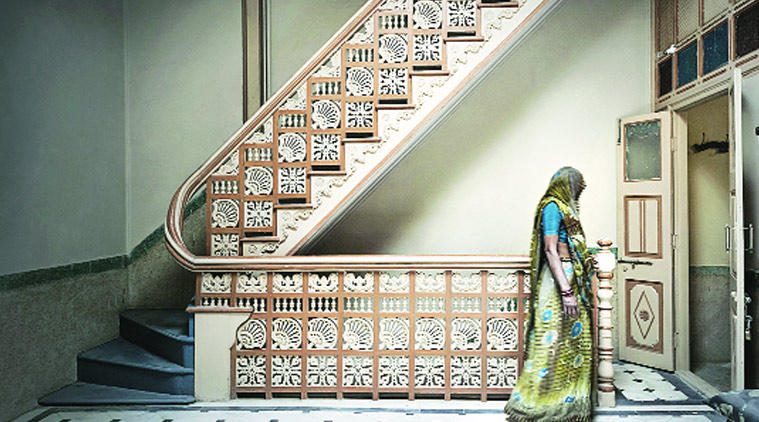
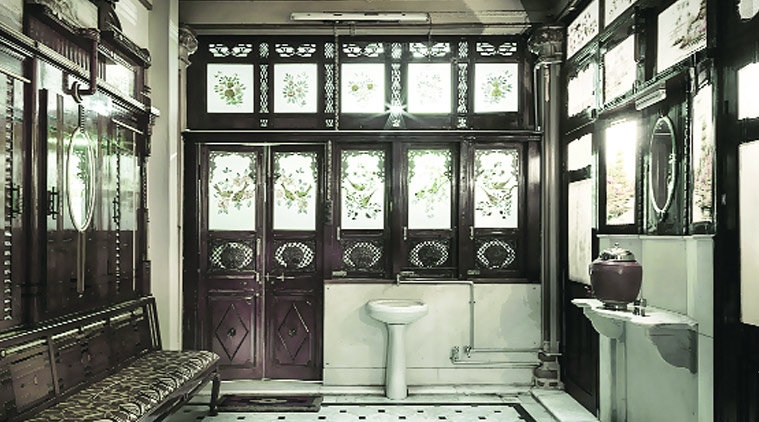
In his latest project, Pondicherry-based photographer Sebastian Cortes turns his lens to the reclusive Bohra community in Sidhpur, Gujarat, to explore their living spaces which are a symbol of a bygone era. Sidhpur, in Patan district, is located at the meeting point of the Ganga and Saraswati rivers. It is home to Dawoodi Bohras, who are believed to have come from Yemen. In an exhibition, titled “Sidhpur: Time Past Time Present”, organised by Tasveer at Bhau Daji Lad Museum, Cortes displays 45 photographs that give an insight into the architectural influences of these spaces, which range from Persian and Hindu to European and Islamic designs. Excerpts from an interview: Debesh Banerjee
You have opted to view the Bohra community through an architectural lens. Why?


How and when did you first encounter the Bohra community?
It was in 2008 after a magazine editor shared a very poetic description of Sidhpur that left me enchanted. Her family was from this area and she felt that it was important to save it from destruction and bring it into the wider public domain. Cities or towns, which have for some historic, social or economic reason fallen off the map, have always attracted me. Sidhpur emanated the same kind of atmosphere that you find in abandoned mining towns in the American west, or cities in southern Italy that once had great commercial importance.
How many Bohra families have you engaged with through this project ?
Not all the houses I visited were inhabited by families. The loss of past memories is a key element in this project as the sense of family heritage that lingers on the walls has now been given up to the needs of modernity. The ground reality of Sidhpur is that of a magical cinematic set that its leading actors have abandoned.
Most images show a conscious attempt to hide the identities of the people. Why is that?
Some of the women willingly posed for the camera. Others are simply elements of the larger context, they happen to appear and I prefer not to have a face but more a symbolic human figure, which also serves aesthetic and cultural observations.
The exhibition is on at Bhau Daji Lad Museum until April 30.


Stay updated with the latest - Click here to follow us on Instagram


