4 min read
Stay updated with the latest - Click here to follow us on Instagram

Journalism of Courage



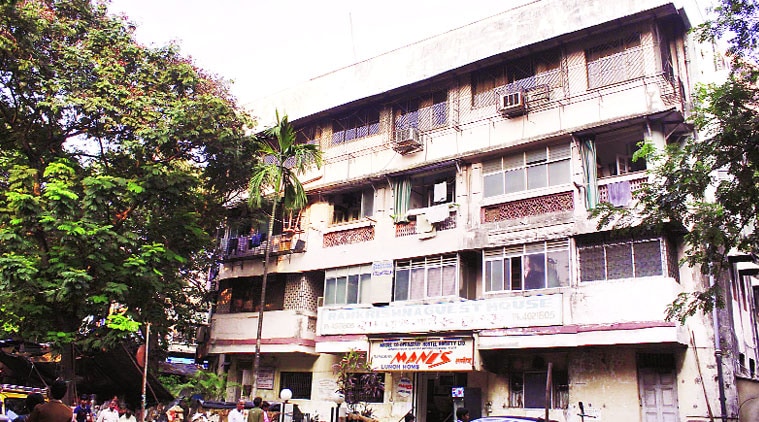 Model Co-operative Society’s served dishes such as keerai molagutal, a spinach and coconut-based gravy and chinna vengaya sambar, made with baby onions or shallots.
Once a leafy and quiet bylane of Matunga, Telang Road today is a bustling street. Foodies queue up here outside Ayyappan Dosa Stall for its crisp vadas and tangy sambar. A stone’s throw away from there, devotees queue up outside Bhajana Samaj and Sankara Mattam temples for their tryst with the lord. However, this overflowing devotion for food and the gods is fairly recent. In the early ’30s, it was the Sunday meals at the Model Co-operative Hostel Society — now houses Mani’s Lunch Home — that commanded such popularity.
“Sundays were known for our Palakkad-style avial and a mandatory dessert on the menu, mostly payasam. People would troop in during lunch time,” reminisces 87-year-old VN Parameswara Iyer. The octogenarian is one of the oldest members of the co-operative society that was formed in 1921 to provide home-style south Indian food to scores of unemployed young men who came from Kerala with a bedroll and a few clothes. Earlier known as The Madrasee Co-op Hostel Society, the name was changed to Model Co-op Hostel Society Ltd in 1953.
“In those days, we served wholesome, hygienic, home-cooked food twice a day, between 7 am and 10 pm. We would even offer to send tiffins to offices where our members worked,” says Iyer. However, with the rapid growth of the city in the ’90s, many of the society’s members shifted to areas such as Chembur and Dombivli. “Around this time, our patronage took a hit. Inflation and labour
issues made sustenance difficult. So we decided to lease out the property to Mani’s and earn income through rent,” says Mohan Parmeswaran, who was the vice-president of the society until recently. However, the building that housed the society will soon undergo redevelopment.
When the society was formed, shares of Rs 10 each were issued, which were quickly lapped up by the regulars. “I started eating at the society in 1962. Within a year, most of us had recovered the money we had paid to buy one share as we used to get a one rupee concession a month,” says Gopal Ramachandran, a shareholder of the co-operative.
Being a shareholder has its perks, apart from concessions on meals, members continue to get an annual gift in the form of sweets or gifts such as water jugs and tiffin boxes. These are handed over during the annual general body meeting and a 15 per cent dividend that amounts to Rs 1.50 a share. Though the number of shareholders have reduced drastically, this tradition continues.
In those days, migrants from Kerala and Tamil Nadu — mostly men — would end up living in Matunga. Beds in guest houses and lunch homes were given out on rent for Rs 2 a month. Traditional south Indian dishes such as keerai molagutal, a very popular spinach and coconut-based gravy, chinna vengaya sambar (baby onions or shallots sambar), and adai (lentil pancakes) with venai (white butter) was a popular combination for evening snacks.
The staff sourced the freshest vegetables from Byculla market. Special vegetables such as koorka kizhangu (a kind of potato) and chakka (jackfruit) were brought in from Kerala. The co-operative society also functioned as their permanent address in the city. “Members would often give the society’s address to relatives back home,” says Iyer.
eenakshi.iyer@expressindia.com
Stay updated with the latest - Click here to follow us on Instagram