Journalism of Courage



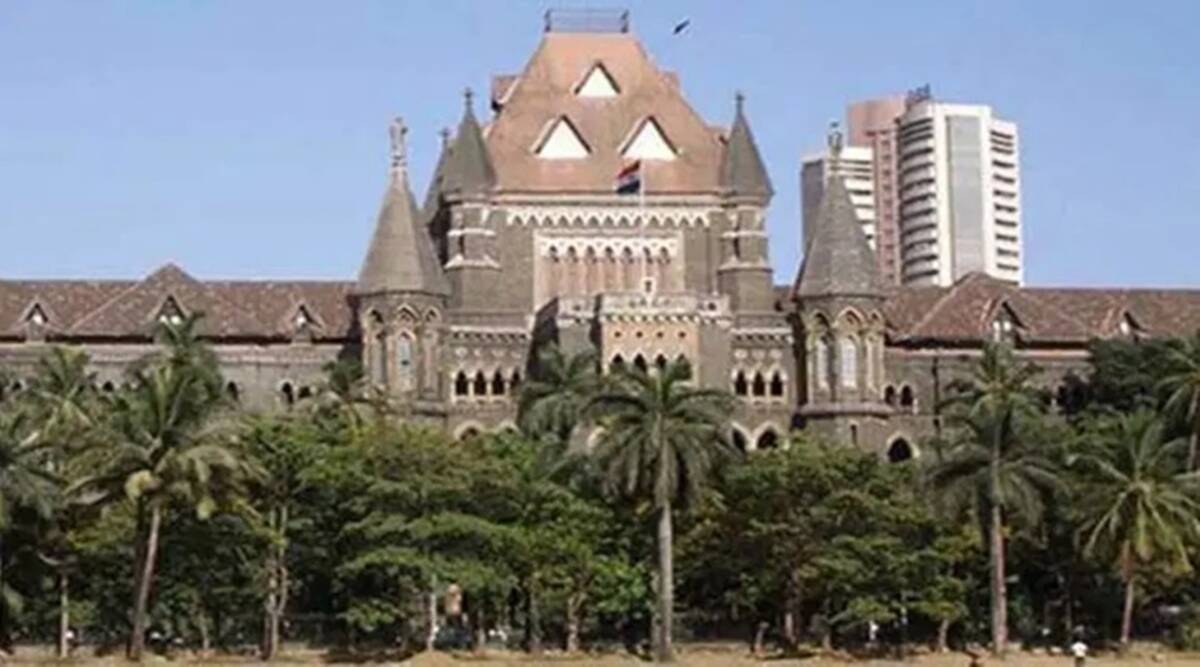 FCU is stipulated under the recently amended Information Technology (IT) Rules. (File photo)
 The central government on Tuesday told the Bombay High Court that the Fact Check Unit (FCU), set up to identify fake news related to the government published online, will not be notified till October 3. FCU is stipulated under the recently amended Information Technology (IT) Rules.
A division bench of Justices Gautam S Patel and Neela K Gokhale will hear submissions by Solicitor General Tushar Mehta, representing Centre, responding to the bunch of petitions challenging the amended IT Rules from September 26 and will continue the same on September 27 and 29. “We will see if further dates are required,” said the bench.
On July 21, SG Mehta had mentioned the matter before the bench, requesting the matter to be heard next on August 31 and September 1. He had said that the FCU will not be notified till September 4.
‘Bench will be reconstituted’
However, a lawyer representing the Centre on Tuesday told the bench that SG Mehta will be occupied with the hearing, pertaining to the pleas challenging the constitutional validity of changes made to Article 370 of the Constitution in the Supreme Court, on the said dates.
The advocates of the petitioners had completed their arguments on July 14.
Justice Patel said that because of change of roster and assignments, the bench with Justice Gokhale will be reconstituted with required directions to the High Court registry and will hear the Centre’s submissions from September 26. The judge said that the Centre’s previous statement, pertaining to not notifying the FCU, will be extended till October 3.
Centre duty-bound to respond: bench had said
Stand-up comedian Kunal Kamra, Editors Guild of India, News Broadcasters and Digital Association, and Association of Indian Magazines have challenged the amended IT Rules in the High Court.
According to the rules, content marked by the FCU as “fake or misleading” will have to be taken down by online intermediaries if they wish to retain their “safe harbour” (legal immunity against third-party content).
The bench, while hearing the pleas had said that in a democratic process, it is a fundamental right of citizens to doubt, question, and demand answers from the government; and the “government is duty-bound to respond”. The government is also a participant in the democratic process like citizens, and it is not a “repository of truth that cannot be questioned”, the court had added.

 3 min read