Journalism of Courage



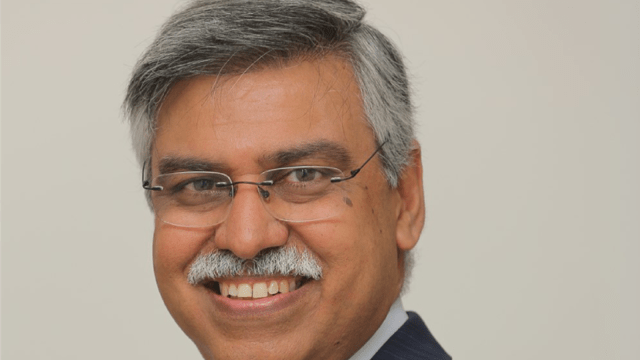 Sunil Kant Munjal, chairman of Hero Enterprise and founder patron of SAF.
Conceived in 2016 as a multidisciplinary festival that celebrates the various arts and their diverse genres, Serendipity Arts Festival (SAF) has grown into arguably one of the largest festivals in the format in the region. Held annually in Goa, it sees a different set of curators that selects projects from their areas of expertise. To be held from December 15-22 this year, in its ninth edition, it will bring together 200-plus projects spread across more than 20-plus venues in Panaji. Sunil Kant Munjal, chairman of Hero Enterprise and founder patron of SAF discusses how the festival is constantly evolving, taking it to Birmingham next year, and The BRIJ, arts and culture center, slated to open in Delhi in 2027.
It’s difficult to pinpoint just one aspect that sets this year’s festival apart because we actively introduce innovative ideas each year and collaborate with different partners in exciting projects. For instance, the AI Mini Lab, curated by Mathieu Wothke, explores the intersection of art and technology. It invites audiences to interact with AI algorithms to create animated visuals and sounds while questioning the ethics of AI-driven creativity. Similarly, A Haptic Score, curated by Veerangana Solanki, offers a multisensory experience; audiences engage with art through touch and sound, pushing the boundaries of what defines visual arts.
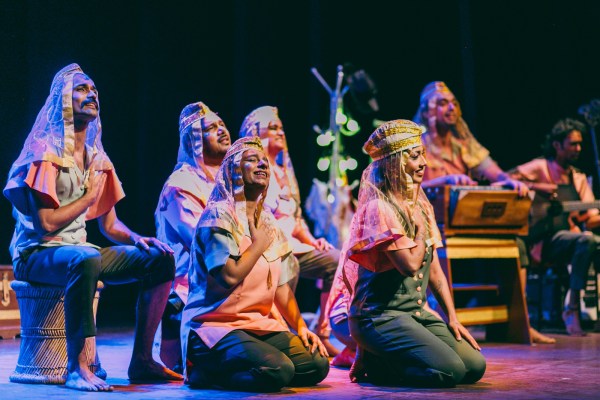 The idea is to ensure something for everyone, and create a festival that evolves, challenges boundaries, and embraces bold, interdisciplinary ideas.
The festival continues to foster inclusivity and innovation through projects like Multiplay, curated by (Jiten) Thukral and (Sumir) Tagra. Here audience interaction is being redefined by blending public art with real-time engagement. The culinary arts section, curated by Edible Issues, will feature over 50 programmes that will examine the intersection of food, art, and sustainability through workshops, talks, and outdoor activations. This year we also have The Alley, a vibrant marketplace at the historic Old Goa Medical College that will showcase sustainable fashion, responsible design, and artistic innovation.
We will also have initiatives like the Accessibility Programme, curated by Salil Chaturvedi, and an extensive children’s programme curated by ThinkArts, Book Worm and Aabhat Studio. The idea is to ensure something for everyone, and create a festival that evolves, challenges boundaries, and embraces bold, interdisciplinary ideas.
The Foundation was established to support emerging and established artists across diverse disciplines, foster creativity and promote cultural exchange. Our goal is to reflect the region’s diversity through innovative artistic practices that project a contemporary vision of India’s arts. While many of our activities focus on education — such as residencies, grants, and writing initiatives, and courses — we also aim to explore various art forms and engage with a broader audience across the arts. Unlike many art organisations that dictate their own programmes, Serendipity Arts Foundation strives to facilitate ideas; collaborates with various curators and partners to create a platform that offers diverse perspectives, genres, and disciplines.
We are committed to cultural leadership and institution building. We would like our success to be measured by our positive social, cultural, and environmental impact. To encapsulate our knowledge and mission, we will soon launch a nine-month cultural leadership fellowship aimed at people who wish to be involved in the cultural sector. This fellowship will guide participants through the intricacies of building institutions in the arts. Some corporations have also shown interest to get some of their senior executives exposed to this fellowship.
 Our goal is to reflect the region’s diversity through innovative artistic practices that project a contemporary vision of India’s arts.
Yes, there is a deliberate and ongoing effort to involve the local community and celebrate Goa’s rich cultural heritage. We do this during the Serendipity Arts Festival and also throughout the year. This year’s festival line-up includes several projects that deeply engage with local traditions, communities, and narratives, fostering a sense of belonging and pride.
The exhibition Goa Familia: Archive of Potential (Goan) Futures, curated by Lina Vincent and Akshay Mahajan, is a prime example. It is an archival storytelling project which has been running since 2018 and delves into the personal and collective histories of Goan families, using photographs, objects, and narratives to create a nuanced portrait of Goa’s evolving identity. It highlights the everyday lives and experiences that shape the region, emphasising community involvement.
In music, projects like Sempre Fado: Antigo e Novo, curated by Zubin Balaporia, celebrate traditional Goan sounds and their connections to the Portuguese Fado, blending local melodies with international influences to showcase Goa’s unique musical legacy. Similarly, Music in the Art Park, curated by Gaya Tideman, features daily performances by local and experimental musicians in a dynamic, outdoor setting, inviting audiences to connect with Goa’s contemporary music scene.
Community-driven programmes like Public Screenings Season 1, curated by the Aldona Video Club, source archival footage, personal videos, and local films from Goan communities. These screenings create opportunities to reflect on Goa’s representation and evolving image through the eyes of its people. The Night Market of Stories, curated by Preethi Athreya, provides a platform for women and queer artists in Goa to share their narratives, further emphasising inclusion and diverse representation.
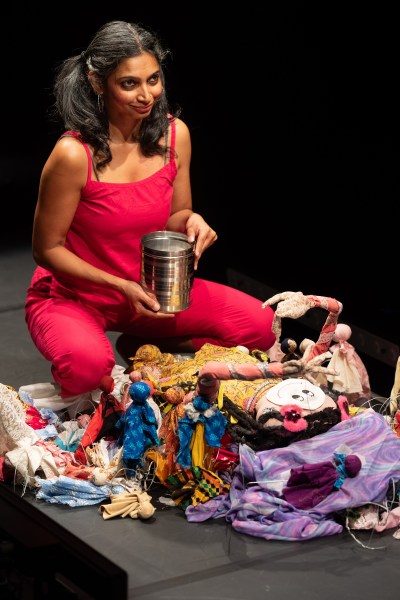 Unlike many art organisations that dictate their own programmes, Serendipity Arts Foundation strives to facilitate ideas; collaborates with various curators and partners to create a platform that offers diverse perspectives, genres, and disciplines.
Workshops like Shankar Turi’s Azulejo Workshop offer hands-on experiences, teaching participants about the traditional Portuguese-inspired art of azulejo tiles, a significant aspect of Goan visual culture. This programme fosters a deeper understanding of Goa’s artistic legacy and provides a platform for skill-sharing and creative expression.
The festival also connects with the local culinary landscape through projects like Redefining Goan Food for the Next Generation, curated by Edible Issues, where food innovators and traditional practitioners explore the evolution of Goan cuisine, addressing sustainability and cultural preservation.
These initiatives, combined with year-round community outreach and our engagement with over 200 schools, underscore the festival’s commitment to celebrating Goa’s cultural richness while creating spaces for dialogue, collaboration, and artistic expression.
Curators are selected based on their expertise and unique perspectives in their fields. This year’s line-up includes diverse talents like Geeta Chandran for dance, Zubin Balaporia for music, and Thukral & Tagra for visual arts. The evolving roster ensures fresh interpretations and thematic diversity every year. For instance, Zubin Balaporia’s rock music background contrasts with Bikram Ghosh’s fusion expertise, while Veerangana Solanki’s theoretical approach complements Thukral and Tagra artist-led perspective. Similarly, Sandeep Sangaru’s expertise in design and architecture contrasts explores a different niche compared to Kristine Michael’s focus on ceramics and glass. We look for curators who are not only extremely talented themselves but also have the ability to work with other artists and art forms.
We have been getting requests from many countries and are set to expand our horizons internationally with a landmark edition in Birmingham in 2026, in collaboration with Birmingham City University. This initiative celebrates Birmingham’s strong cultural and economic ties with India and the South Asian region, making it the perfect location for our first international venture.
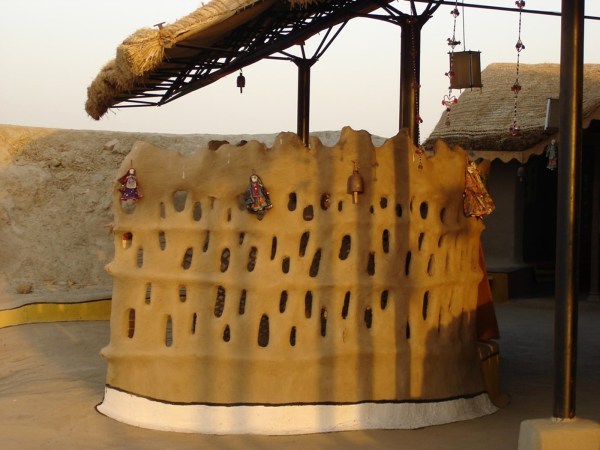 The festival continues to foster inclusivity and innovation.
In 2025, we’re planning a special weekend event in London and an opening starter Birmingham edition. This event will offer a glimpse into the festival’s vision, focusing on themes like nostalgia, identity, inclusivity, and global cultural dialogues.
While the Birmingham edition in 2026 marks a significant milestone, the idea of making this an annual feature remains open. We’re exploring how these international collaborations can create lasting cultural connections and evolve organically, based on the shared interests of our partners and audiences.
Only time will tell as requests continue to come from different countries and various states in India, but we’re a nomadic festival; we don’t know where we’ll be next year! Goa, of course, will always be part of the Indian subcontinent’s/South Asia’s cultural calendar.
Our privileges always come with responsibility; this initiative is a responsibility and a passion project for us. Slated to open in 2027, THE BRIJ stems from a responsibility we feel towards the arts; the way art is seen today, compared to how it was perceived in the region, prior to colonisation. In terms of its programming, THE BRIJ will retain the aura of the flagship festival while adding multiple layers of practice, learning and experimentation to its programmes, around the year. Planned around diverse creative practices, the facility will have higher arts education, incubation labs, centres of cultural innovation, performance spaces, and museums at a scale rarely seen, in an interdisciplinary manner. In effect it will house the complete ecosystem for arts and culture at one place.
The three essential elements of the centre will be education and research, multi-disciplinary experiences and innovation and incubation with training, workshops and residencies. This centre is currently under construction.

 10 min read