


Stay updated with the latest - Click here to follow us on Instagram
Tags:


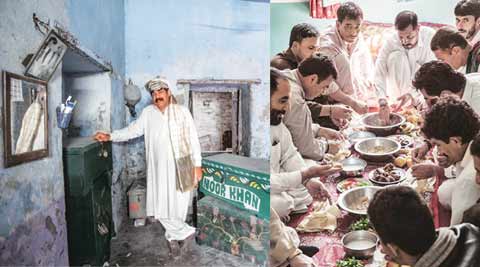
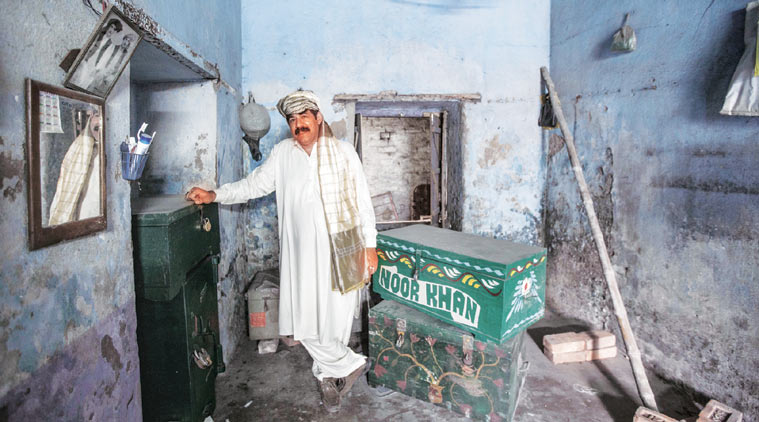
Sultan Khan clutches tightly to his mother’s traditional Afghan dress. In a dilapidated room, Amir Khan stands with pride against painted trunks that belonged to his ancestors. And Najaf Khan holds numerous cards supporting his identity in India — from his election card to his PAN and ration card. The passport is missing. It is a document he has sought for years but has failed to attain it, like several others from his community. “The paperwork is stuck for years.
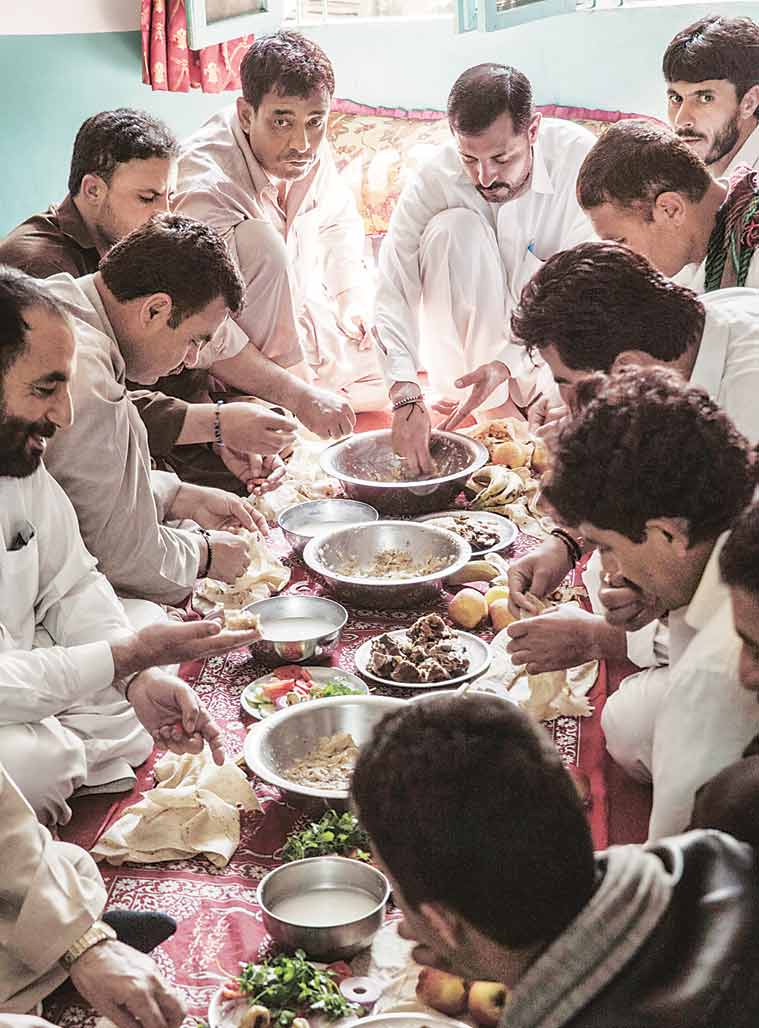
They are still not citizens of India, are still seen as outsiders. Several of them are frustrated about not being able to travel to Afghanistan and revisit their roots,” says photojournalist Moska Najib. Along with Nazes Afroz, she has documented the 5,000 families strong Afghan community in Kolkata. Some, offspring of Kabuliwalas from the 19th century, others who came to India during the colonial era and those who travelled to Kolkata during the last four decades of conflict in Afghanistan. What unites them is their origin. They are all descendants of the South Eastern Afghan provinces of Paktika and Paktia.


We see subtle influences of Afghanistan, from the blue walls in homes to red carpets spread on the floor in humid
Kolkata, a Sunni Razvi calendar hangs in a cluttered room and the television screen has an Afghan channel playing. Id is celebrated with the traditional circular dance. Amidst the several men though, there are two women who appear. “It’s a very conservative and private community. There are some places I could not go as a woman photographer,” says Najib. Unlike Tagore’s poignant take though, here the Afghan is invited for a meal inside a Bengali home and he is part of their lives and weddings.
The exhibition at Siddhartha Hall, Max Mueller Bhavan, is on till April 23.


Stay updated with the latest - Click here to follow us on Instagram


