3 min read
Stay updated with the latest - Click here to follow us on Instagram

Journalism of Courage



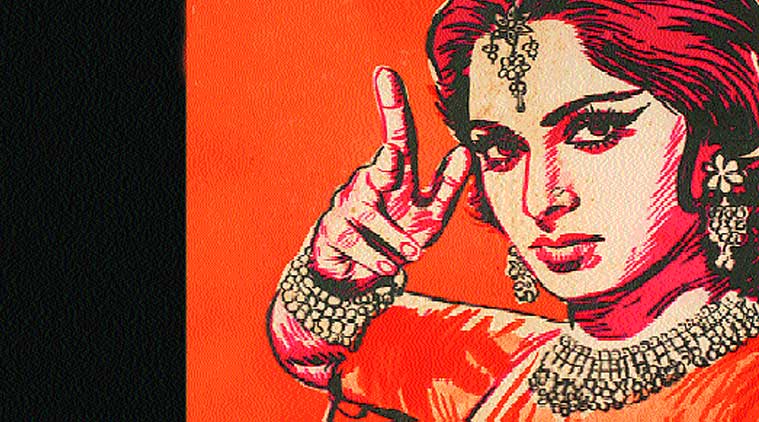 Posters of anti-heroines reveal how the tropes have changed over time
The devilish eyes preen through the mask, and the chequered sleeves and armour suggest a femme fatale image. Meet Fearless Nadiya, Bollywood’s leading “vamp” from the 30s, she was as popular as the heroes, if not more. Her image in the poster of the 1947 film Toofani Tirandaz, projects her antagonistic image. The exhibition “The Other Women” at Khoj celebrates the anti-heroine; their evolution in Indian cinema over the years. “Who are these surplus women? Why is their perceived emancipation held ransom to the threat of social stigma? This exhibition takes a look at visual representations of these second-heroines, anti-heroines and vamps, attempting to interrogate how the tropes have changed and modified over time,” says co-curator Promona Sengupta.
Selected from Priya Paul’s collection of Bollywood lobby cards and posters, these are from the 1950s to the most recent Dil Toh Pagal Hai. The dominance of Nadiya in the earlier films is evident, with her being the central figure in several frames, including the 1953 Homi Wadia production Jungle Ka Jawahar. There are other familiar faces — Bindu, Aruna Irani and Helen. “In a moment of art imitating life, many of the women who played these roles were in reality from backgrounds very different from the prima donnas of Bombay. Helen, the celebrated cabaret queen, was of Anglo-Burmese descent. Similarly, Pramilla was born in a Baghdadi-Jewish family in Calcutta, who made a name for herself as a vampish ‘modern woman’ in films,” says Sengupta.
Over 30 posters occupy the walls of the studio in Khirki. Also playing, appropriately, are movies that revolve around women protagonists, who are not the conventional ‘good’ woman. One of them, the National-Award winner Miss Lovely (2014), which explores the relationship between two brothers and the mysterious woman who comes between them. There is South Asian Cinema: A Documentary (2002), which chronicles horror films coming from Bombay and Lahore following the 70s. There are horror films from across the border too, including the Pakistani retro horror classic Zinda Laash and Aurat Raj, “with radical feminist action in the conservative social ethos of Pakistan”. “It’s interesting to see how ideas of femininity are subverted in this genre of horror or porn films,” says Sengupta.
The exhibition is on till December 8. Visit: http://www.khojworkshop.org
Stay updated with the latest - Click here to follow us on Instagram