


Stay updated with the latest - Click here to follow us on Instagram
Tags:



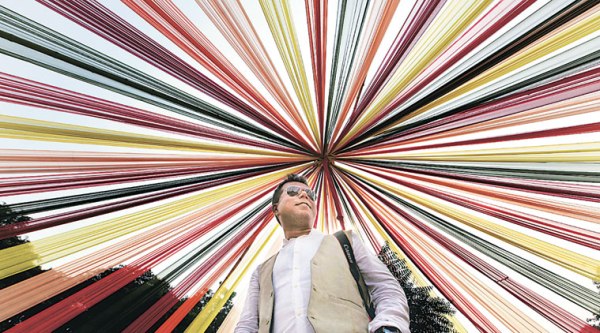
Atul Lahkar is a man on a mission. “My journey began in 1995, when I started travelling the length and breadth of the Northeast, visiting its various villages and tribes. I documented every aspect of their culture through photographs, text, and by noting down their oral traditions,” says the Guwahati-based Lahkar, who is visiting the Capital for the ongoing North East Festival at the Indira Gandhi National Centre for the Arts (IGNCA). This immersion into the lives and the food of the people from the region led Lahkar to open his first restaurant, Delicacy, in Guwahati, in 2005, serving delicacies from “the Garos, Khasis, Mizos, and so many other tribes,” including those from his native Assam. Through Delicacy and his subsequent restaurants, which include the highly acclaimed Khorikaa, Lahkar wishes to promote Northeastern cuisine.
A conversation with Lahkar is seasoned with allusions to culinary customs and well-spiced with herb lore. “Herbs are a major part of the cuisine, no matter which part of the region. They are used for both their aromatic and medicinal properties. For instance, Masakee is a herb used extensively with pork, not only for its flavour but because it significantly reduces the fat content of the meat. Other commonly used herbs are majenga, lai patta, makkat, each with their own unique properties,” he says.


The word “wild” is a frequently occurring one in the region’s culinary lexicon, and with good reason. “Our ingredients are beyond organic; they’re completely natural and are gathered from the forests. A lot of the herbs, roots and vegetables can’t be cultivated, they grow wild in the woods. This means our food is as fresh as it can be,” says Lahkar, adding that even though foraging is almost as important as farming, the seasons play a huge role. “The wild ingredients almost change by the month because different things grow at different times. So the food is also constantly changing in accordance with what’s available in nature’s larder. In November, we cook with a herb called Manimuni. Outenga, or the elephant apple is a seasonal fruit, widely used in Assamese fish preparations,” he adds.
This variable stock list is one reason Lahkar hasn’t expanded beyond Assam yet, despite having wanted to open a restaurant in a metropolitan city for a while now and Khorikaa’s popularity. The restaurant has been featured on Gordon’s Great Escape as well as chef Vikas Khanna’s shows. “All these chefs such as Gordon Ramsay, Vikas and Vineet Bhatia, among others, were very keen on exploring Northeast food and they look to me as a resource, whether it’s for a show or for their books. Similarly, I get a lot of advice from them on dining concepts in the West and brand expansion and quality control,” he smiles.
Lahkar himself has never been formally trained at a culinary school and credits his expertise to his own grandmother and the hundreds of other matriarchs he has met and learned from over the years. For him it’s very simple. “I’m living for my cooking. Without it, I am nothing”, he says.


Stay updated with the latest - Click here to follow us on Instagram


