


Stay updated with the latest - Click here to follow us on Instagram
Tags:


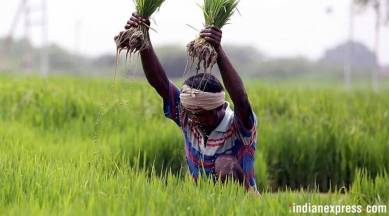
Even after spending Rs 274 crore on Crop Diversification Programme (CDP), sown area of paddy in Punjab increased by 7.18 per cent during 2014-19, adversely affecting the consumption of groundwater, a report of the Comptroller and Auditor General (CAG) of India for the year ending March 31, 2019, has noted.
The report was tabled in Punjab Vidhan Sabha on Wednesday during the on-going budget session. The report pointed out that the cases of stubble burning increased from 43,660 in 2017-18 to 49,905 in 2018-19, owing to “lack of systemic spread of awareness amongst stakeholders”.


noted.
While noting that out of total 50.33 lakh hectare geographical area in the state, 41.25 lakh hectare (82%) was cultivable, the report noted that “Continuous wheat-paddy rotation to get maximum food production has depleted the macro/micro nutrients, organic contents, minerals and trace elements of the soils. Out of the total irrigated area in the state, 71% of the area is being irrigated by extracted groundwater and 29% by surface water through canals.
Unchecked use of groundwater for agriculture had brought the state on the verge of a serious water crisis as 96.59% of extracted groundwater in the state was utilised for irrigation due to which 79% blocks in the state, covering 38.04 lakh hectare area (75.58% of total geographical area of Punjab), were assessed as over-exploited as against 17% in the country.”
The report noted, “Considering the importance of water, United Nations Member States jointly committed (September 2015) to the Sustainable Development Goal-6 (SDG-6) which, inter alia, provides for ensuring availability and sustainable management of water and sanitation. Besides, SDG 2.4 provides for implementation of resilient agricultural practices that help to maintain the ecosystem and SDG 6.4 provides for substantial increase in water use efficiency across all sectors. The Department of Soil and Water Conservation and the Department of Agriculture and Farmers’ Welfare failed to achieve the United Nations sustainable development goals as both the departments did not fix specific targets for achievement of SDGs during 2015-19.” A committee constituted to formulate an agricultural policy had submitted a draft of that to the state government in March 2013, but the audit observed that the draft had not been approved by the state government as of November 2020.
It trashed the reply of a director rank officer where it was stated that approval of the draft policy was awaited. The CAG report noted, “The reply was not acceptable because due to absence of agriculture policy, unchecked use of groundwater as well as over-use of fertilisers could not be controlled.” On crop diversification, the report observed cash support of Rs 2,500 per hectare each was not provided to farmers on account of land development charges and marketing support in seven selected districts, as no budget provision was made for the purpose, due to which no motivation to farmers was provided to diversify from paddy to alternative crops.


Stay updated with the latest - Click here to follow us on Instagram


