6 min read
© The Indian Express Pvt Ltd



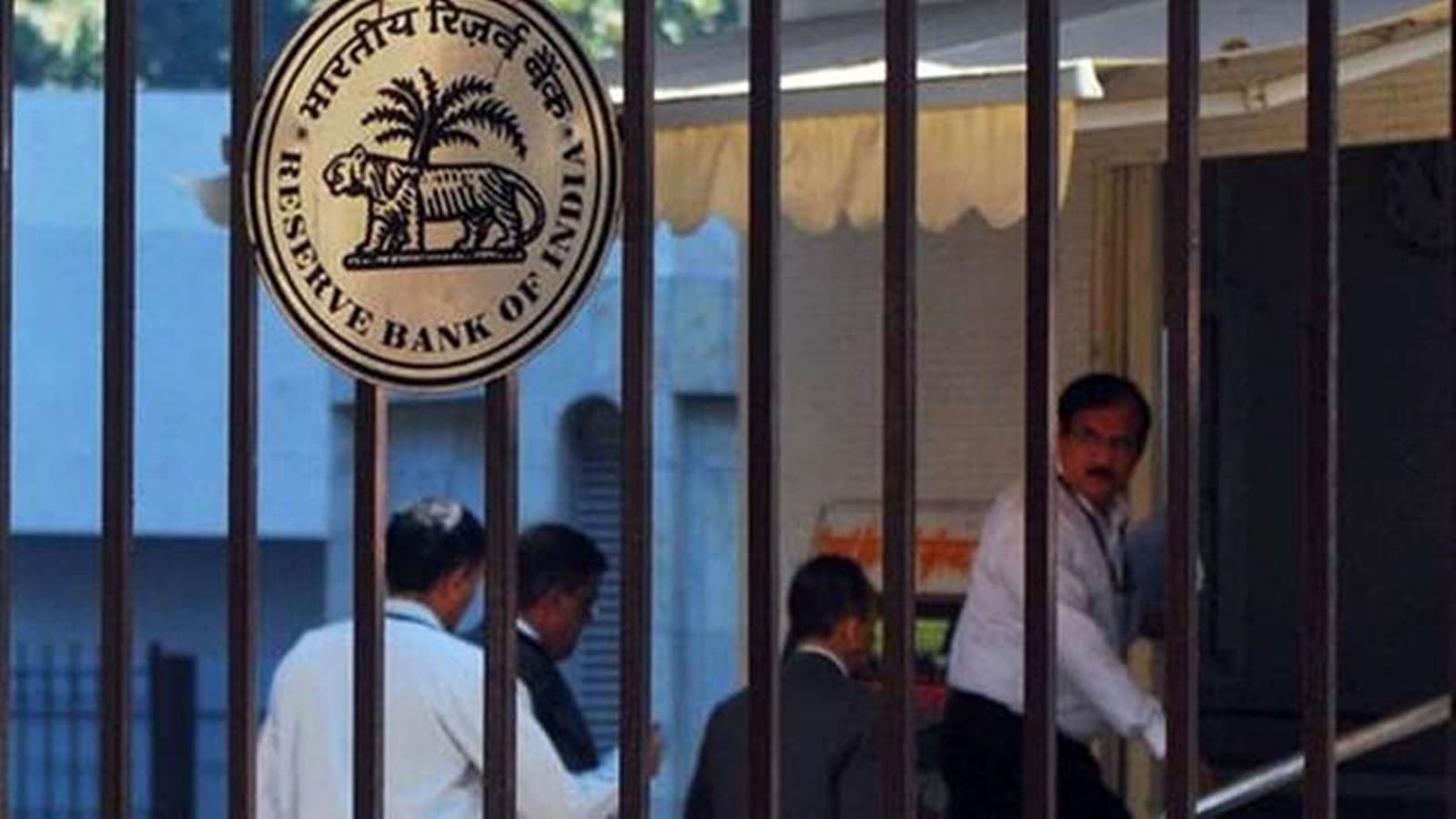 The RBI has now decided to create a public repository of digital lending apps deployed by the regulated entities in order to aid the customers in verifying the claim of DLAs’ association with regulated entities like banks and avoid illegal apps. (File
 The Reserve Bank of India (RBI) has barred four non-banking finance companies — Asirvad Micro Finance Ltd promoted by Manappuram Finance, Arohan Financial Services Ltd, Mitsubishi backed DMI Finance and Navi Finserv, founded by former Flipkart founder Sachin Bansal — from sanctioning and disbursing loans for violation of various rules, including charging excessive pricing of loans. The problem runs deep as several NBFCs and lending apps — both legal and illegal ones – are reported as indulging in usurious pricing of loans and recovery methods.
The main complaint against the four lenders is about exorbitant interest charges levied by them. The RBI said its action is based on material supervisory concerns observed in the pricing policy of these companies in terms of their Weighted Average Lending Rate (WALR) and the interest spread charged over their cost of funds, which are found to be excessive and not in adherence with the regulations. The RBI has not prescribed any upper limit on loans but it wants lenders to be transparent in pricing. But this is not followed in letter and spirit by lenders.
The Reserve Bank has been sensitising its regulated entities through various channels on the need to use their regulatory freedom responsibly and ensure fair, reasonable and transparent pricing, especially for small value loans. However, unfair and usurious practices continued to be seen during the course of onsite examinations as well as from the data collected and analysed offsite.
Apart from usurious pricing, NBFCs were variously found to be in non-adherence with the regulatory guidelines on assessment of household income and consideration of existing / proposed monthly repayment obligations in respect of their microfinance loans. Deviations were also observed in respect of Income Recognition & Asset Classification (IR&AC) norms resulting in evergreening of loans, conduct of gold loan portfolio, mandated disclosure requirements on interest rates and fees and outsourcing of core financial services.
There have been complaints about individuals and small businesses falling prey to growing number of unauthorised digital lending platforms and mobile apps on promises of getting loans in quick and hassle-free manner, the regulator said. “These reports also refer to excessive rates of interest and additional hidden charges being demanded from borrowers, adoption of unacceptable and high-handed recovery methods and misuse of agreements to access data on the mobile phones of the borrowers,” the RBI had earlier said.
In September 2022, the RBI came out with guidelines on digital lending aimed at protecting customers from unethical business practices, such as mis-selling, breach of data privacy, unfair business conduct and charging of exorbitant interest rates adopted by digital lenders.
However, multiple reports have highlighted continued presence of unscrupulous players in digital lending who falsely claim their association with RBI regulated entities (REs) and charge excessive interest rates on loans disbursed. Borrowers often end up paying back much more than what’s required due to many hidden charges.
Borrowers don’t realise the magnitude of interest charges on their loans and they usually go up to 60 per cent and above. As per the guidelines, the regulated entities will have to disclose upfront the rate charged to the borrower of a digital loan, ensure that borrowers are aware of the products at the time of on-boarding and capture the economic profile of the borrowers before offering the loans.
Thousands of people have fallen prey to predatory loan apps in the absence of proper enforcement of regulations with borrowers even suffering sexual harassment and ending up giving extortion money to loan recovery agents.
On April 16, 2022, The Indian Express had highlighted how a 24-year-old woman was called from 25 different mobile numbers and harassed into paying Rs 4.50 lakh for a loan which she claimed never took.
On May 4, 2022, a 38-year-old salesman Sandeep Korgavkar committed suicide at his residence in Mumbai owing to sexual harassment from loan recovery agents. The agents morphed his photo with a nude person’s photo and circulated it to people in his office, locality and to his friends and family members.
Digital loan apps offer loans without much hassles but ask the loanee to give access to their contact list. The harassment for repayment of the loan along with a high interest starts within weeks of securing the loan. As part of the harassment, the loanee is called from multiple numbers and abusive text messages are sent to him and people in their contact list. The loan recovery agents who use only WhatsApp to make the calls and send text messages also send pornographic videos with morphed image of the loanee. The agents end up extorting much more than the loan amount taken by the borrower.
The Reserve Bank of India has now decided to create a public repository of digital lending apps (DLAs) deployed by the regulated entities (REs) in order to aid the customers in verifying the claim of DLAs’ association with regulated entities like banks and avoid illegal apps. The repository will be based on data submitted by the REs (without any intervention by the RBI) directly to the repository and will get updated as and when the REs report the details — addition of new DLAs or deletion of any existing DLA. This data will be available on the RBI’s website, it said. The repository will enable borrowers in identifying whether the lending app is illegal or legal.