


© The Indian Express Pvt Ltd
Tags:


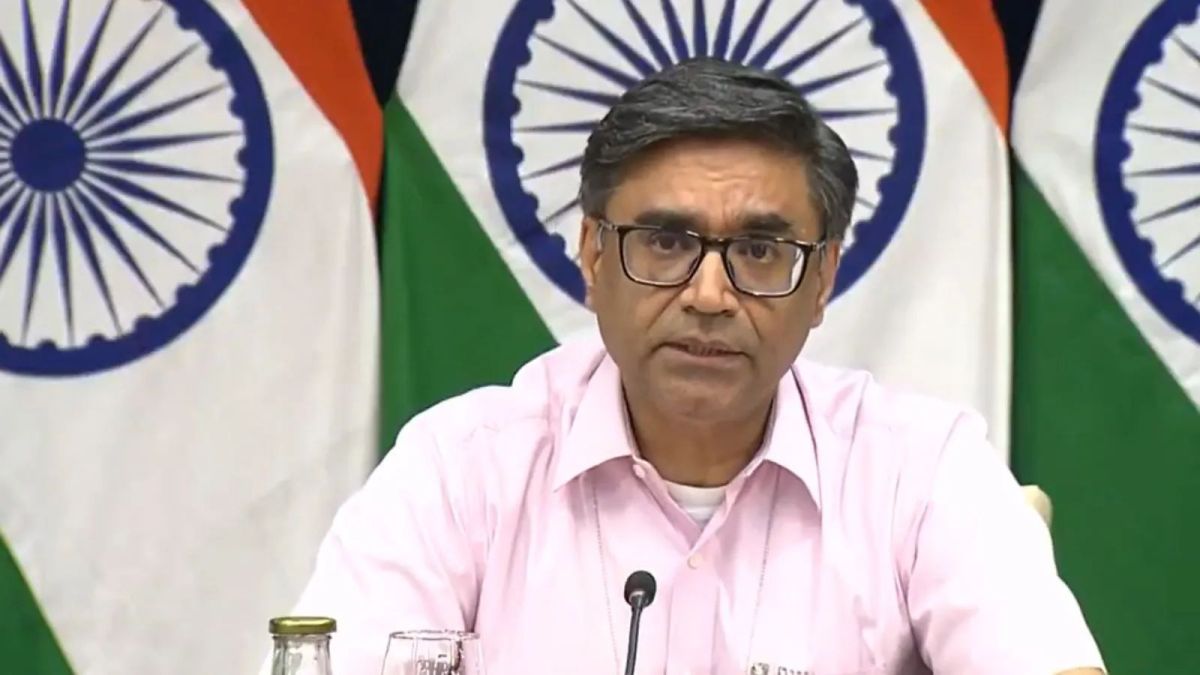
A day before the International Monetary Fund (IMF) is set to review the financing facilities extended to Pakistan, India’s Foreign Secretary Vikram Misri on Thursday said the Fund’s Board should look “deep within” and take into account the facts before generously bailing out the country. He questioned the efficacy of several bailout packages extended to Pakistan over the last three decades and raised questions on its utilisation by the country.
Misri said India’s Executive Director will put forward its position at the IMF Board meeting on May 9. “We have an executive director at the IMF. Tomorrow there is a meeting of the board of the IMF, and I am sure that our Executive Director will put forward India’s position. The decisions of the Board are a different matter, you know, the process through which they are made. But, I think the case with regard to Pakistan should be self-evident to those people who generously open their pockets to bail out this country…,” he said.


As per the IMF website, there have been 25 arrangements for Pakistan since it became a member of the IMF in 1950. As of March 31, 2025, the outstanding purchases and loans to Pakistan from the IMF stood at 6.23 billion Special Drawing Rights. The IMF is financing a $7-billion aid package to Islamabad that was approved in September 2024. The ongoing 37-month long Extended Fund Facility programme of the IMF consists of six reviews over the span of the bailout, and the release of the next tranche of approximately $1 billion will be contingent upon the success of the performance review.
Parameswaran Iyer, Executive Director at the World Bank, who has been temporarily entrusted with the responsibility of being India’s nominee director on the IMF Board will be part of the crucial May 9 Board meeting. Iyer’s nomination was made after the termination of services of Krishnamurthy V Subramanian as the Executive Director at the IMF, six months before the end of his three-year tenure.
India intends to speak with all multilateral development banks (MDBs) to push back against providing funds and loans to Pakistan amid rising tensions between the two countries, a senior government official had said last week.
The move to directly approach MDBs, including the World Bank, the IMF, and the Asian Development Bank, is part of the government’s broader efforts to curb financial flows that aid Pakistan’s funding of terror activities.
The government is also working towards bringing Pakistan back into the ‘grey list’ of the Financial Action Task Force (FATF), the global money laundering and terror financing watchdog.
India is stepping up its ante against Pakistan following the attack on April 22 that killed 26 people in Pahalgam, and is looking at several measures aimed at tightening financial flows to the neighbouring country.


