3 min read




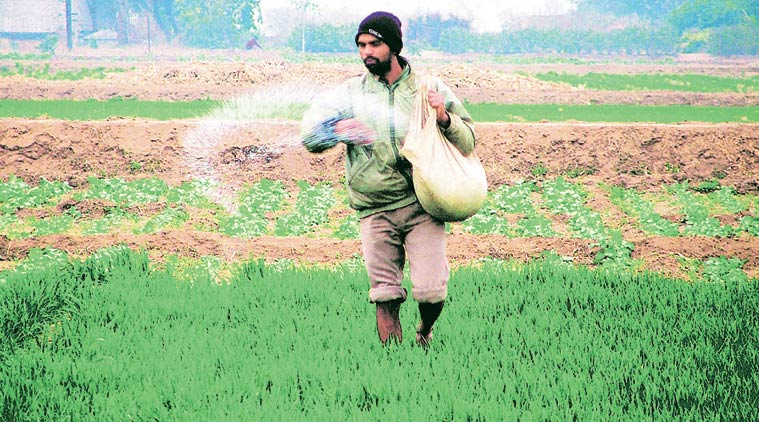 Significantly, the presence of residues was even higher in vegetables.
If you are a vegetarian in India, the chances of your suffering pesticide exposure may be higher than for those predominantly consuming non-vegetarian foods.
Almost a fifth of all foods produced and sold in the country contain pesticide residues, according to a Union agriculture ministry-sponsored nationwide network project involving 25 participating labs.
During 2014-15, as many as 20,618 food samples were collected and analysed under a ‘Monitoring of Pesticide Residues at National Level’ scheme. Pesticide residues were detected in 3,857 or 18.7 per cent samples. In the case of 543 samples, representing 2.6 per cent of the total, residues were above the maximum residue limits (MRL) prescribed by the Food Safety and Standards Authority of India.
Significantly, the presence of residues was even higher in vegetables. In 2014-15, a total of 10,593 vegetable samples were analysed, out of which 2,253 (21.3 per cent) contained measurable pesticide residues. In 306 or 2.9 per cent of samples, the concentrations exceeded the official prescribed MRLs. Even samples collected from so-called organic outlets were, interestingly, found to contained residues.
[related-post]
The most frequently detected pesticides, with their residues exceeding MRLs, were chlorpyrifos, ethion, acetamiprid, dichlorvos and cypermethrin. Besides, residues of even non-approved pesticides — acephate, bifenthrin, triazofos, metalaxyl, malathion, profenofos, among others — were detected in many vegetable samples. Among the market samples, highest residues were found in capsicum, green chilli and cauliflower, followed by cabbage, brinjal, tomato, okra, bitter gourd, cucumber, green pea and coriander leaves.
The other major foods showing high traces of pesticides included spices (coriander seeds, cardamom, fennel, black pepper and cumin), tea and fruits. Among fruits, the samples of grapes, pomegranate and apples commonly harboured residues above MRLs considered safe for consumption. The residues were mainly of chlorpyrifos, imidacloprid, cyhalothrin-1, buprofezin, metalaxyl and difenoconazole, apart from non-approved molecules such as acephate, carbosulfan, profenofos and quinalphos.
The residues of various organo-chlorine, organo-phosphorous, synthetic pyrethroids, carbamate and other chemical pesticides were the least in animal foods like milk, eggs, fish and meat. Even where detected, these were nowhere near prescribed MRLs.