


Tags:


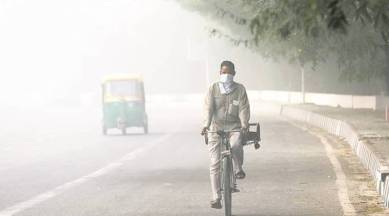
That really isn’t the question that one should ask. The odd-even scheme, as was demonstrated by Beijing during its implementation in 2008, is dependent on a robust public transport system.
This is simply not the case in Delhi. For instance, Delhi needs 11,000 new buses, as per an affidavit DTC has submitted to the court. Moreover, DTC has an existing fleet of 3,951 buses of which 21 per cent are ‘over-aged’ and need to be withdrawn by next year, underscoring the “urgent need” cited by the body. Do these over-aged buses contribute to pollution? A government official, when asked, said, “Probably.”


Here are some key problems that need to be addressed:
1) Studies about the efficacy of the scheme have been largely inconclusive. While some argue that emission levels dropped marginally, others maintain that this drop can be attributed to changes in weather pattern. The government, meanwhile, admits that with Delhi, now boasting of 48 air quality monitoring stations, the third edition of the scheme would finally prove the efficacy of the scheme.
ALSO READ: Delhi pollution: Under fire, AAP says no politics over pollution
2) After its implementation in the Beijing Olympics, the authorities decided to make this a regular feature – an ’emergency’ to be rolled out every time the air becomes hazardous. Will the Delhi government be prepared to do so? “This might be the inevitable course of action that will have to be taken one day,” a government official said.
RELATED REPORT: Delhi pollution: Weatherman predicts easier breathing today
3) A robust public transport system needs to go hand-in-hand with de-incentivising the sale of private vehicles – something which European countries have already done through higher tax rates. This is especially difficult, admits the government, where owning a car is related not just to convenience, ease of movement but also status.


