3 min read
Stay updated with the latest - Click here to follow us on Instagram

Journalism of Courage



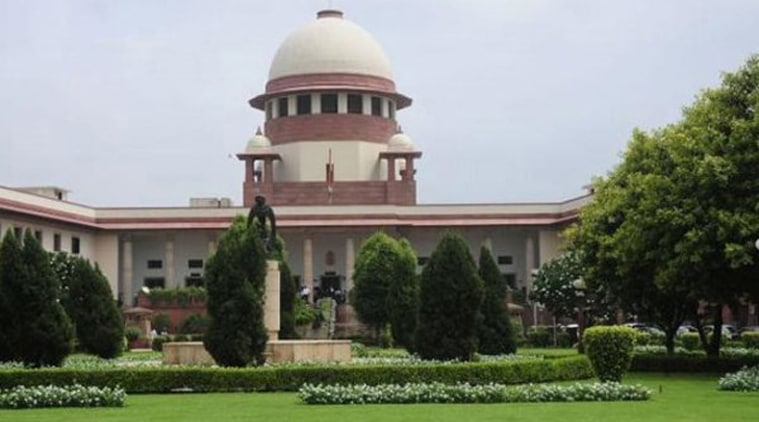 This is the second time Baheti has moved the apex court, complaining that his rights are being violated.
The Supreme Court on Thursday held that the information regarding medical expenses of judges and their families is a facet of their “right to privacy” and cannot be made public under the Right To Information Act.
A bench headed by Chief Justice H L Dattu said that the judges did understand that they were using money from the public exchequer for their medical expenses but putting such information in public domain could lead to disclosure that may breach their right to privacy.
[related-post]
“There should be some respect for privacy and if such information is disclosed, there will be no stopping. Today, someone is asking for information on medical expenses. Tomorrow, he will ask what are the medicines purchased by the judges. When there will be a list of medicines, he can make out what type of ailment the judge is suffering from. It starts like this. Where does this stop?” the bench asked advocate Prashant Bhushan.
Bhushan was appearing for RTI activist Subhash C Agrawal, who had sought details of medical expenses of individual judges in the apex court.
His RTI application had, however, clearly stated that he did not want to know about the diseases or kind of medical problems the judges were suffering from.
Agrawal moved the apex court after the Delhi High Court rejected his plea, stating it was personal information and providing it would amount to invasion of privacy.
While dismissing Agrawal’s appeal, the bench told Bhushan: “We understand we are using public money on our treatment, which we are entitled to under our service conditions. But you should also respect the privacy of the judges.”
Bhushan argued that the Supreme Court should not be heard as saying that a different law would apply to them even if the public money was involved.
“Since citizens are entitled to know how public money is spent by other public servants, they also have a right to know how these funds are being utilised for medical treatment of judges. It cannot be that one law will apply to judges and some other law will apply to other public servants,” he said.
The lawyer disputed the bench’s observation that the matter related to privacy of the judges.
“…There is an impression that when it comes to other public servants, the judges are very quick to act but when it comes to them, they are not willing to disclose something as basic as their medical expenses,” he said.
Bhushan pointed out that this order may set a bad precedent and other public servants will also cite it to stonewall similar queries on the ground of right to privacy.
“If this information is compartmentalised into judges’ right to privacy, other public servants will also refuse to disclose such information. A citizen has a right to know how his money is being spent, irrespective of who is using it,” he added.
But the bench remained unmoved and dismissed the appeal by a very short order.
Stay updated with the latest - Click here to follow us on Instagram